Stachys lavandulifolia Care

Stachys lavandulifolia

About Stachys lavandulifolia

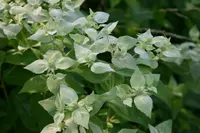
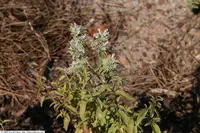
Stachys lavandulifolia is a small perennial herb in the mint family, valued for its softly hairy leaves and spikes of pale purple flowers. It forms low, bushy clumps that give a fine-textured look in borders and herb gardens.

This species is native to dry, rocky slopes and open areas in parts of the Middle East, so it is naturally adapted to sun and relatively poor, well-drained soils. Once established, it shows good drought tolerance and usually has few pest or disease issues.

Because of its toughness and compact size, it suits low-maintenance gardens and containers. Understanding how to care for Stachys lavandulifolia mainly involves providing enough light and avoiding heavy, waterlogged soil.

Main Plant Requirements

Care Difficulty

Moderate Care

Light Preference

Full Sun

Water Requirements

Moderate Water

Temperature Preference

Cold Hardy

Hardiness Zone

5–8

Soil Texture

Sandy, Loamy, Rocky

Soil pH

Slightly acidic (6.5–7.0), Neutral (7.0)

Soil Drainage

Well-drained

Fertilization

Minimal (feed rarely)

Get Personalized Care Plan

Scan your plant to receive care tips personalized for your specific plant

Available on iOS and Android

How to Care for the Stachys lavandulifolia

This sun-loving perennial thrives in open, bright conditions typical of dry, rocky sites.

  • Provide 6–8 hours of direct sun daily, ideally strong morning sun with lighter afternoon exposure in hotter regions.
  • Tolerates light afternoon shade; in very hot zones, use filtered light after 2–3 p.m. to limit leaf scorch and excessive wilting.
  • If stems stretch, flowering drops, or foliage becomes sparse, the site is too shady for healthy growth of Stachys lavandulifolia.

This species prefers dry to moderately dry soil and is sensitive to prolonged excess moisture.

  • Allow the top 5–7 cm of soil to dry before watering, then soak deeply so water reaches the full root zone.
  • In cool seasons or during periods of regular rain, withhold irrigation unless foliage wilts and soil feels dry well below the surface.
  • Watch for yellowing, soft stems, or a sour smell as signs of overwatering; crisp, drooping leaves with dry soil indicate underwatering.

This hardy plant is adapted to cooler, dry climates with significant temperature swings.

  • Active growth is strongest at 60–75°F (16–24°C), with good performance in mild, low-humidity conditions.
  • Established plants usually tolerate down to about 0°F (−18°C) with drainage and mulch, though new plantings need protection from hard frost.
  • Heat tolerance extends to around 90–95°F (32–35°C) if soil is not waterlogged; prolonged extreme heat with high humidity can increase root rot risk.

This species is adapted to dry, sunny habitats and usually does not need special humidity management indoors or outdoors.

  • Aim for 30–50% relative humidity, similar to most heated homes or dry summer conditions.
  • Tolerates dry air; only prolonged exposure below 25% may cause slight leaf crisping at tips and edges.
  • If leaves curl or brown while soil moisture is correct, place the pot away from heating vents or strong fans to reduce extra drying.

This plant prefers lean, well‑aerated, fast-draining soil that mimics rocky, dry slopes.

  • Use a sandy or gritty loam with about 50–60% mineral content, such as garden loam mixed with coarse sand or fine gravel.
  • Aim for slightly alkaline to neutral pH around 7.0–7.8, avoiding strongly acidic substrates that can reduce vigor.
  • Mix in coarse sand, fine gravel, or perlite at 30–40% of the volume to increase aeration and prevent waterlogging around the roots.
  • Avoid heavy clay, peat-heavy mixes, or any soil that stays wet longer than 1–2 days after watering, since this encourages root rot in Stachys lavandulifolia.

This species is well suited to container growing in sunny, dry locations.

  • Choose a wide, shallow pot to match its fibrous, spreading root system and prevent unnecessary moisture retention in deep soil columns.
  • Use a heavy clay or ceramic container in windy sites so the light, gritty substrate does not let the pot tip over easily.
  • Raise the pot on small feet or bricks so drainage holes stay clear and runoff exits quickly after rain or watering.

This drought-tolerant perennial needs only light feeding, especially in poor soils, for steady growth and flowering.

  • Apply a thin layer of compost or well-rotted manure around clumps in early spring, avoiding direct contact with stems.
  • Use a balanced, slow-release granular fertilizer (around 10-10-10) at half strength once in spring for container-grown Stachys lavandulifolia.
  • Skip additional feeding in mid-summer if growth is adequate, as overfertilizing can reduce flowering and compact habit.
  • Stop all fertilization in fall and winter, when growth slows and nutrients are not efficiently used.

Thoughtful pruning keeps this low shrub tidy and encourages denser growth and better flowering.

  • Cut back spent flower stems in late summer to encourage a neater mound and occasional rebloom.
  • In early spring, remove dead, winter-damaged, or weak stems at the base using clean, sharp hand pruners.
  • Thin crowded interior shoots lightly to improve air flow and reduce risk of fungal issues in humid conditions.
  • Avoid cutting into very old woody bases; focus on newer, leafy stems to maintain the plant’s natural form.

Transplanting is more common than repotting, since this species is typically grown in the ground or in larger outdoor containers.

  • Plan any transplanting for early spring or early fall, when conditions are cool and soil moisture is moderate.
  • Look for signs such as roots circling the pot, water running off quickly, or noticeably slowed growth before moving a plant.
  • Lift the root ball carefully, keeping as much soil around the roots as possible to limit shock and moisture loss.
  • Replant at the same depth in well-drained soil, water thoroughly, then shade lightly for a few days while roots re-establish.

Gardeners commonly propagate this species to expand plantings or rejuvenate aging clumps.

  • Divide mature clumps in early spring or early fall, ensuring each division has several healthy shoots and roots.
  • Take softwood or semi-ripe stem cuttings in late spring, then root in a free-draining, slightly moist mix under bright, indirect light.
  • Sow fresh seed in trays with well-drained substrate; provide light cover and cool to mild temperatures for gradual germination.
  • Keep all propagules just moist, not wet, and maintain good air circulation to limit rot and fungal problems.

This hardy perennial usually needs minimal winter care in temperate climates.

  • Stachys lavandulifolia tolerates frost in the ground but benefits from sharp drainage to prevent root rot in cold, wet soil.
  • Apply a light mulch layer around, not over, crowns in late fall to buffer freeze–thaw cycles.
  • Move containers to a sheltered spot or unheated garage in colder regions, keeping soil just barely moist through winter.

Care Tips

Encourage Bushy Growth

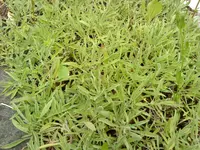
Pinch back soft, non-woody shoot tips in late spring to early summer to encourage denser, low mounding growth and reduce floppiness in windy sites.

Improve Summer Airflow

In humid or rainy climates, space plants slightly farther apart and remove a few inner stems after flowering to increase air movement and reduce foliar disease.

Targeted Deadheading

Cut spent flower spikes down to a healthy pair of leaves as soon as they fade to promote a cleaner look and often trigger a lighter second flush of blooms.

Winter Drainage Check

Before winter rains or snow, ensure the planting area sheds water quickly and top up any gravel or grit mulch around the crown to prevent rot in cold, wet periods.

Low-Input Weed Control

Use a thin, mineral-based mulch such as coarse sand or fine gravel around the plants to suppress weeds while keeping the crown dry, which is important when growing Stachys lavandulifolia in heavier soils.

Common Pests and Diseases

Leaf spot

Symptoms include small brown, tan, or dark purple spots on leaves that may merge and cause partial dieback of foliage, especially in humid or crowded plantings.

Solution

Remove and discard affected leaves, avoid overhead watering, and thin surrounding growth to improve airflow; if the problem persists, apply a copper-based or other labeled ornamental fungicide according to directions during wet periods as part of broader Stachys lavandulifolia care instructions.

Powdery mildew

This disease causes a white, powdery coating on upper leaf surfaces and young shoots, which can lead to distorted growth and reduced vigor in dense clumps.

Solution

Increase sun exposure and air circulation, water at soil level instead of on foliage, remove heavily infected leaves, and use a labeled sulfur or potassium bicarbonate fungicide if cultural corrections do not stop spread.

Aphids

These insects feed on tender shoots and flower stems, causing curling leaves, sticky honeydew, and sometimes sooty mold on the foliage.

Solution

Spray plants with a firm stream of water to dislodge colonies, prune out heavily infested tips, and if needed apply insecticidal soap or neem oil thoroughly to stems and leaf undersides, repeating as the label specifies.

Spider mites

This pest thrives in hot, dry conditions and causes fine stippling, dull or silvery foliage, and fine webbing on the undersides of leaves.

Solution

Increase humidity around the plant, hose down foliage regularly to knock mites off, remove severely damaged leaves, and use a horticultural oil or miticide labeled for ornamental plants when populations remain high.

Crown and stem rot

This disease, often caused by soilborne fungi in poorly drained or overwatered sites, leads to blackened, mushy crowns and lower stems, followed by wilting and collapse of entire shoots.

Solution

Improve drainage, avoid waterlogged soils and heavy mulching against the crown, promptly remove and destroy affected clumps, and replant only in well-draining soil, possibly in raised beds or slopes to reduce future infection pressure.

Interesting Facts

Iranian mountain native

This species is native to high-altitude regions of Iran, where it grows on dry, open slopes and rocky grasslands, adapted to strong sun and relatively poor, well-drained soils.

Aromatic woolly foliage

Its small, narrow leaves are covered with fine hairs, giving a soft, woolly texture and a grey-green color, which helps reduce water loss and reflects intense sunlight in its native habitat.

Pollinator-attracting spikes

The plant produces slender spikes of pale purple to lavender flowers that are rich in nectar and are frequently visited by bees and other small pollinating insects in summer.

Botan icon

Did you know?

In parts of Iran, the dried flowering aerial parts of this species are traditionally used to prepare herbal teas, and its chemical profile has been studied for well-defined phenolic and flavonoid compounds under controlled laboratory conditions.

FAQs about Stachys lavandulifolia

This species is a hardy herbaceous perennial. The top growth usually dies back in cold winters, then new shoots emerge from the rootstock in spring. With suitable conditions, a clump can persist and flower for many years.

Grow Healthy Plants with Botan Care

Keep your plants happy and healthy with plant identification, disease detection, and easy care guidance.

Botan plant care app — identify plants on mobile

Explore More Plants