Use mesh baskets
Plant corms in shallow plastic mesh pond baskets sunk into the bed so you can lift, divide, and replant them easily every few years without damaging the small corms.

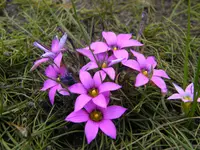
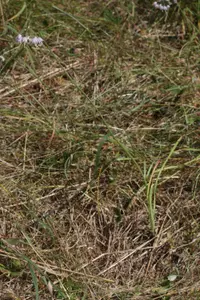
Rosy sandcrocus, Romulea rosea, is a small, bulb-like flowering plant related to crocuses. It forms fine grassy leaves and delicate funnel-shaped pink to purple blooms. Flowers usually appear in early spring, often opening in sunny weather and closing in shade or at night. Plants stay very low to the ground, so they suit rock gardens and shallow pots. Romulea rosea is native to South Africa but has naturalized in some Mediterranean-climate regions. It prefers sun, well-drained sandy or gritty soil, and dry rest periods when dormant. These traits make it rewarding but slightly challenging for beginners who need clear guidance on how to care for rosy sandcrocus.

Care Difficulty
Moderate Care

Light Preference
Full Sun

Water Requirements
Low Water

Temperature Preference
Warm Climate

Hardiness Zone
8–10

Soil Texture
Sandy, Loamy, Rocky

Soil pH
Slightly acidic (6.5–7.0), Neutral (7.0)

Soil Drainage
Well-drained

Fertilization
Minimal (feed rarely)
Scan your plant to receive care tips personalized for your specific plant
Available on iOS and Android
This small bulb prefers bright, open conditions similar to its sunny native habitats.
This species prefers a wet–dry cycle that follows its natural winter-growing pattern.
This bulbous plant grows best in mild, Mediterranean-type climates with cool, wet winters and dry summers.
Humidity is not a critical factor for Romulea rosea, which prefers dry to moderately dry air.
Romulea rosea needs a sharply draining, mineral-based substrate that mimics dry, open habitats.
This species is well suited to container growing, especially in regions with wet winters or heavy soils.
This small corm-forming species needs only light feeding, especially when grown in poor or very sandy soil.
Pruning Romulea rosea is minimal and mainly supports plant health and tidy appearance.
This cormous plant is usually left undisturbed and only transplanted when crowded or when flowering declines.
Romulea rosea is most commonly propagated by corm division, with seed sowing as a slower alternative.
In mild climates, this species is moderately hardy and often needs only basic winter attention.

Plant Health Check
Not sure what's wrong with your plant? Check your plant's health inside the app.
This small geophyte produces crocus-like flowers that closely resemble miniature irises, with a tubular base and flared tepals that sit just above the soil surface in early spring.
Native to Mediterranean-climate regions of South Africa, this species has naturalized in parts of southern Australia, New Zealand, and western Europe, where it can behave as a minor bulbous weed in lawns and pastures.
The plant survives hot, dry summers as a corm, a swollen underground stem that stores carbohydrates and allows it to resprout reliably each cool, wet season.

In some regions of southern Australia, this species is considered an environmental weed because its dense corm clusters and prolific seed set can form patches that displace low-growing native herbs in grazed grasslands.
Lack of flowering is often due to bulbs being planted too deeply, insufficient cool winter rest, or poor light earlier in the season. Crowded clumps can also flower less and benefit from lifting and dividing every few years.
Keep your plants happy and healthy with plant identification, disease detection, and easy care guidance.