Lungwort Care (Pulmonaria officinalis)

Also known as: common lungwort
Lungwort

About Lungwort

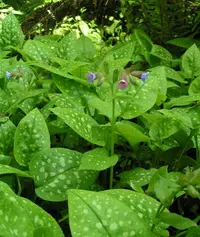
Lungwort, Pulmonaria officinalis, is a low-growing perennial often used as a groundcover in shaded gardens. It forms clumps of rough, hairy leaves, usually green with silver or white spots. In spring, it produces clusters of small funnel-shaped flowers that often open pink and age to blue, giving the clump a bicolored look. The plant naturally occurs in cool, deciduous woodlands of Europe and prefers similar conditions in gardens. It tolerates shade, consistent moisture, and humus-rich soil, which makes it fairly easy to grow in suitable climates. Gardeners who learn how to care for Lungwort usually find it reliable and long-lived.

Main Plant Requirements

Care Difficulty

Moderate Care

Light Preference

Partial Shade

Water Requirements

Keep Soil Moist

Temperature Preference

Cold Hardy

Hardiness Zone

3–8

Soil Texture

Loamy, Silty, Organic-rich

Soil pH

Acidic (5.5–6.5), Slightly acidic (6.5–7.0)

Soil Drainage

Moist but well-drained

Fertilization

Minimal (feed rarely)

Get Personalized Care Plan

Scan your plant to receive care tips personalized for your specific plant

Available on iOS and Android

How to Care for the Lungwort

This woodland perennial prefers cool, dappled light rather than intense direct sun.

  • Provide 2–4 hours of soft morning sun with bright shade or filtered light for the rest of the day, especially in warmer climates.
  • Choose partial to full shade in hot summers; strong afternoon sun can scorch leaves and fade Lungwort foliage, especially during dry periods.
  • In early spring, more light is tolerated before trees leaf out; by summer, overhead shade protects plants from heat stress and leaf burn.

This plant prefers consistently moist but not saturated soil throughout the growing season.

  • Water when the top 2–3 cm of soil feels dry, aiming for soil that stays evenly damp, especially during active spring growth.
  • Ensure rich, humus-heavy soil with good drainage so Pulmonaria officinalis does not sit in water, which encourages root rot and yellowing leaves.
  • In hot, dry periods, increase watering frequency and watch for wilting or limp leaves; reduce watering in cool, wet weather to avoid soggy soil.

This hardy perennial is adapted to cool, temperate climates with distinct seasons.

  • Optimal growth occurs around 50–70°F (10–21°C); foliage stays fresher and flowering lasts longer in the cooler part of this range.
  • Plants tolerate down to about -20°F (-29°C) when established and mulched, handling typical winter frosts without protection.
  • Heat above 80–85°F (27–29°C) can cause leaf scorch and early dieback, so provide shade and extra moisture during hot spells, especially in late summer.

This species prefers moderately moist air but usually adapts to typical home humidity.

  • Aim for 40–60% humidity to reduce leaf spotting and crisping at the margins.
  • In very dry heated rooms, watch for drooping foliage and browning tips as signs of humidity stress.
  • Increase humidity by grouping plants, placing the pot on a pebble tray with water, or moving Lungwort away from hot air vents.

Pulmonaria officinalis grows best in loose, humus-rich soil that stays evenly moist yet drains freely.

  • Use a mix of roughly 50% garden loam, 30–40% compost, and 10–20% coarse material such as grit or perlite.
  • Target a slightly acidic to neutral pH around 6.0–7.0 to support nutrient uptake and stable growth.
  • Incorporate plenty of leaf mold or fine bark to improve structure, organic content, and root aeration.
  • Avoid compacted clay, waterlogged sites, or very sandy mixes that dry out quickly and stress the shallow roots.

This species can grow successfully in containers outdoors when moisture and shade are managed carefully.

  • Choose a wide, shallow container to match its spreading root system and keep the potting volume from staying saturated for too long.
  • Select a heavier material such as ceramic or clay to stabilize the plant and reduce rapid swings in moisture.
  • Raise the pot slightly on feet or bricks so drainage holes stay clear and excess water exits quickly after rainfall.

Pulmonaria officinalis benefits from modest feeding that supports foliage and flowering without making the soil overly rich.

  • Use a light top-dressing of compost or a balanced slow-release fertilizer (around 10-10-10 NPK) in early spring.
  • Feed once more in midsummer only if growth looks weak or soil is poor.
  • Dilute liquid balanced fertilizer to 1/2 strength for container-grown plants during active growth.
  • Stop feeding in late summer so plants can harden off before winter dormancy.

Pulmonaria officinalis responds well to light, timely pruning that keeps clumps compact and encourages fresh foliage.

  • Shear back spent flower stems and tired leaves right after blooming in spring to promote new leaf growth.
  • Remove dead, damaged, or diseased leaves whenever noticed to reduce fungal problems and improve air flow.
  • Thin out congested centers of older clumps every few years to maintain an open, healthy shape.
  • Use clean, sharp scissors or hand pruners, cutting just above healthy leaves or buds.

This woodland perennial is usually grown in the ground, so care focuses on dividing and transplanting rather than frequent repotting.

  • Plan to divide and transplant clumps every 3–5 years in early spring or early fall.
  • Move plants when flowering declines, centers die out, or growth becomes crowded and patchy.
  • Lift the clump carefully, tease apart sections with several buds and roots, and replant at the same soil depth.
  • Water thoroughly after transplanting, then keep soil evenly moist and shaded for 1–2 weeks to limit root stress.

Pulmonaria officinalis is most often multiplied by division, with seed used mainly for breeding or naturalizing.

  • Divide mature clumps in early spring or early fall, when temperatures are cool and soil is moist.
  • Lift the plant, then split into sections, each with at least 2–3 buds and a good root portion.
  • Replant divisions promptly in partial shade, in humus-rich, well-drained soil, and water well.
  • Sow fresh seed in fall outdoors or in a cold frame, as it benefits from natural winter chilling for germination.

This species is cold hardy in most temperate climates and generally needs minimal winter attention in the ground.

  • Tolerates freezing temperatures and snow once established, especially in well-drained soil.
  • Apply a 5–8 cm layer of leaf mold or compost mulch in late fall to insulate roots and maintain soil moisture.
  • For containers, move pots to a sheltered, unheated but frost-sheltered spot and avoid waterlogged soil.

Care Tips

Mulch For Cool Roots

Apply a 3–5 cm layer of fine bark or leaf mold around the clump each spring to keep roots cool, conserve moisture, and reduce weed competition without burying the crown.

Divide To Rejuvenate

Lift and divide crowded clumps every 3–4 years in early spring or early fall, replanting only the youngest, healthiest sections to maintain flowering performance and reduce disease buildup.

Powdery Mildew Management

In humid climates, improve air circulation by spacing plants 25–30 cm apart, promptly remove heavily spotted leaves, and water at soil level to reduce powdery mildew pressure.

Slug And Snail Control

Set out shallow beer traps or place rough barriers like crushed gravel around clumps in early spring to protect soft new foliage from slug and snail damage.

Summer Dormancy Protection

In hotter regions, allow plants to go semi-dormant after flowering, then mark their location and maintain lightly moist soil so the crowns are protected and ready for regrowth when conditions improve, which is key when growing Lungwort in mixed borders.

Common Pests and Diseases

Powdery mildew

This disease often develops in spring on older foliage in cool, humid, and shaded conditions. Symptoms include white, powdery patches on leaves that can cause yellowing and premature dieback.

Solution

Remove and discard the most affected leaves to reduce inoculum, then improve air circulation by thinning crowded clumps and avoiding overhead watering late in the day. If needed, use a sulfur or potassium bicarbonate fungicide labeled for ornamentals and apply during a cool period, following label directions closely.

Slugs and snails

These pests are strongly attracted to the moist, shady conditions favored by lungwort and often chew irregular holes in leaves, especially on young growth. Symptoms include ragged foliage, missing leaf edges, and slime trails on or near the plant.

Solution

Hand-pick slugs and snails in the evening, reduce moist hiding spots such as dense mulch and debris, and use barriers like copper tape around small planting areas. Iron phosphate slug pellets can be used around plants following label rates, as they are less harmful to pets and wildlife than metaldehyde products.

Leaf spot

This disease causes scattered brown, tan, or purplish spots on leaves, often with a darker margin, and can make foliage look prematurely aged. Symptoms include spotting that may coalesce into larger dead patches, especially in crowded, damp clumps.

Solution

Remove and dispose of affected leaves and fallen debris, then thin or divide congested plants to improve airflow. Avoid wetting foliage when watering, and if the problem recurs severely each year, apply a labeled ornamental fungicide early in the growing season as part of broader Pulmonaria officinalis plant care.

Aphids

These insects sometimes colonize young shoots and flower stems, sucking plant sap and causing curled, distorted growth. This pest also excretes sticky honeydew that can attract ants and encourage sooty mold on leaves.

Solution

Wash aphids off with a strong but controlled stream of water, repeating every few days as needed. For persistent infestations, apply insecticidal soap or a horticultural oil spray to thoroughly coat stems and leaf undersides, treating during cooler parts of the day to avoid leaf burn.

Interesting Facts

Early spring bloomer

This species often flowers in late winter to early spring, sometimes when snow is still present, providing an important early nectar and pollen source for bumblebees and other pollinators.

Color-changing corollas

Its flowers typically open pink and age to blue or violet as the cell sap in the petals becomes less acidic, shifting the anthocyanin pigment color and visually signaling pollinators which flowers are already pollinated.

Distinctive spotted foliage

The pale silver spots on its leaves are areas with reduced chlorophyll, which create a dappled pattern thought to help the plant tolerate low-light woodland conditions by redistributing light across the leaf surface.

Botan icon

Did you know?

The species name officinalis indicates that this plant was historically recognized in European pharmacopoeias, and it was cultivated in medieval monastery and physic gardens as a valued herb long before its ornamental use in shade gardens became popular.

FAQs about Lungwort

Lack of blooms often results from too much shade, excessive nitrogen fertilizer, or plants that are overcrowded and not divided for several years. Lightly feed in early spring and divide mature clumps every 3–5 years to restore flowering.

Grow Healthy Plants with Botan Care

Keep your plants happy and healthy with plant identification, disease detection, and easy care guidance.

Botan plant care app — identify plants on mobile

Explore More Plants