Manage Spreading Rhizomes
Install a 15–20 cm deep root barrier or plant in a large bottomless container sunk into the ground to keep hoary mountainmint from overtaking nearby perennials while still allowing a healthy clump to form.

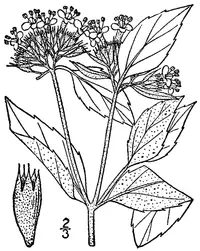
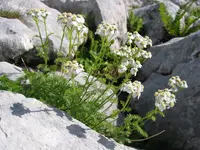
Hoary mountainmint (Pycnanthemum incanum) is a hardy, clumping perennial herb in the mint family, valued for its strong minty fragrance and pollinator appeal. It typically forms upright, leafy stems with soft, gray-green foliage dusted in a silvery coating, topped by clusters of small white to pale lavender flowers.
This species is native to eastern North America, where it grows in open woods, dry meadows, and sunny slopes. It is generally easy to grow, as it tolerates poor soils and summer heat if drainage is good.
Gardeners who want to care for hoary mountainmint should know it prefers full sun to light shade and moderately moist, well-drained soil but adapts to slightly drier conditions once established.

Care Difficulty
Easy Care

Light Preference
Full Sun

Water Requirements
Low Water

Temperature Preference
Cold Hardy

Hardiness Zone
4–8

Soil Texture
Sandy, Loamy, Rocky

Soil pH
Slightly acidic (6.5–7.0), Neutral (7.0)

Soil Drainage
Well-drained

Fertilization
Minimal (feed rarely)
Scan your plant to receive care tips personalized for your specific plant
Available on iOS and Android
This sun-loving US native thrives in open, bright sites with only light shade.
This perennial prefers evenly drained, slightly dry-leaning soil once established.
This hardy North American mint tolerates a wide temperature range once established outdoors.
This species is adapted to outdoor conditions and does not have strict humidity requirements.
Pycnanthemum incanum prefers lean, well-drained mineral soils rather than rich, heavy mixes.
This species can grow in containers outdoors if the pot setup controls moisture and root spread.
This adaptable native herb needs only light feeding in most garden soils.
Pruning helps Pycnanthemum incanum stay dense, upright, and floriferous in garden settings.
This species is usually grown in the ground and benefits most from thoughtful transplanting rather than frequent repotting.
Pycnanthemum incanum is commonly propagated by division, stem cuttings, or seeds in home gardens.
This hardy perennial typically needs minimal winter care in USDA zones where it is adapted.

Plant Health Check
Not sure what's wrong with your plant? Check your plant's health inside the app.
The leaves are densely covered with fine white hairs that give the plant a hoary, gray-green look and help reduce water loss in its dry, rocky native habitats.
Its dense clusters of small white flowers are especially attractive to a diverse group of native solitary bees, many of which preferentially visit hoary mountainmint over nearby flowering plants.
When crushed, the foliage releases a sharp, minty scent due to volatile essential oils concentrated in tiny glands on the leaf surface, which can deter some herbivores and insects.

This species often forms clonal colonies through rhizomes, so what looks like a patch of many individual hoary mountainmint plants can actually be a single genetic individual spreading slowly through the soil.
This species spreads by short rhizomes and self-seeding, forming dense clumps over time. It is usually manageable, but in loose, fertile soil it can wander, so edging, dividing, or pulling extra shoots controls its spread.
Keep your plants happy and healthy with plant identification, disease detection, and easy care guidance.