Purslane Care (Portulaca oleracea)

Also known as: common purslane, pigweed, moss rose, pusley, red root, verdolaga, Purslane, Munyeroo, Pruslane, Purslain, cooter grass
Purslane

About Purslane

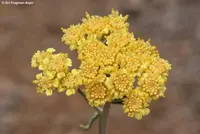
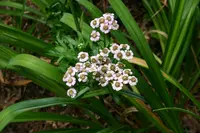
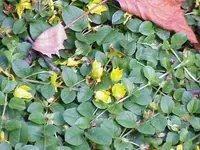
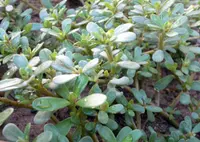
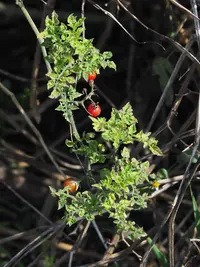
Purslane, Portulaca oleracea, is a low-growing succulent herb that forms dense mats of smooth, reddish stems and spoon-shaped, fleshy green leaves. Tiny yellow flowers open in bright light and are followed by small seed capsules, helping the plant spread quickly.

It occurs worldwide as a summer annual, especially in warm, sunny, disturbed sites such as gardens, lawns, and agricultural fields. The plant is tough, drought-tolerant, and adapts to poor, compacted soils, which makes it easy to grow but also a common garden weed.

Understanding how to care for Purslane starts with knowing it prefers full sun, well-drained soil, and moderate watering that allows the soil surface to dry between waterings.

Main Plant Requirements

Care Difficulty

Easy Care

Light Preference

Full Sun

Water Requirements

Low Water

Temperature Preference

Tropical / Frost Sensitive

Hardiness Zone

9–11

Soil Texture

Sandy, Loamy, Rocky

Soil pH

Slightly acidic (6.5–7.0), Neutral (7.0)

Soil Drainage

Well-drained

Fertilization

Minimal (feed rarely)

Get Personalized Care Plan

Scan your plant to receive care tips personalized for your specific plant

Available on iOS and Android

How to Care for the Purslane

This sun-loving annual herb needs strong light to stay compact and leafy.

  • Provide 6–8 hours of direct sun daily; morning and midday sun give the best growth and flavor in Purslane.
  • Plant in an open, unshaded spot; it tolerates light afternoon shade, but dense shade causes leggy stems and sparse leaves.
  • In hot summers, intense late-afternoon sun can scorch tender new growth in very dry soil, so use slight shade or mulch to reduce stress.

This shallow-rooted succulent prefers infrequent, light watering and fast-draining soil.

  • Water only when the top 3–5 cm of soil is completely dry; use a finger test rather than a fixed schedule.
  • Ensure sandy or gritty soil so excess water drains quickly; soggy ground leads to yellowing leaves, soft stems, and root rot in Portulaca oleracea.
  • In peak summer, watch for limp, shriveled leaves as a sign to water, but reduce watering in cool or rainy periods to prevent oversaturation.

This warm-season annual thrives in heat but is very sensitive to frost.

  • Aim for active growth in 70–90°F (21–32°C); germination and early growth are strongest once soil and air are consistently warm.
  • Protect plants when temperatures drop near 40°F (4°C); foliage is damaged and growth stalls below this, and a light frost can kill them outright.
  • In hot spells above 95°F (35°C), plants tolerate heat if soil is not waterlogged; growth may slow but usually resumes when temperatures moderate.

Humidity is not a major factor for Portulaca oleracea, which thrives in dry to moderately humid air.

  • Ideal humidity is wide, roughly 20–60%, so typical indoor and outdoor conditions are acceptable.
  • Dry indoor air rarely causes problems, as Purslane is adapted to arid, exposed sites.
  • Humidity stress is uncommon; leaf yellowing or rot usually indicates excess moisture at the roots, not dry air.

Portulaca oleracea prefers lean, very well-drained, sandy soil that dries quickly between waterings.

  • Use a mix of 50–70% coarse sand or grit with the remainder light potting mix to keep texture loose and fast-draining.
  • Aim for slightly acidic to neutral pH, around 6.0–7.0, avoiding highly acidic or strongly alkaline substrates.
  • Improve aeration and drainage by adding perlite or pumice instead of heavy compost or peat-only mixes.
  • Avoid dense clay, water-retentive soils, or any mix that stays wet for more than 1–2 days after watering.

This species is well suited to container growing, especially in shallow, fast-draining pots.

  • Choose a wide, shallow container to accommodate its spreading habit while preventing deep, wet soil zones.
  • Select terra-cotta or other porous materials so excess moisture evaporates faster in rainy or humid periods.
  • Raise the pot slightly on feet or bricks so drainage holes stay clear and runoff water moves away quickly.

Portulaca oleracea grows well in lean soils and usually needs only light feeding in containers or poor ground.

  • Use a balanced liquid fertilizer at 1/4–1/2 strength or a light top-dressing of compost for container plants.
  • Feed every 4–6 weeks during the warm, active growing season if growth looks weak or foliage pale.
  • Avoid high-nitrogen products, which cause soft, leggy growth and fewer flowers.
  • Stop fertilizing in late summer so plants can complete their life cycle naturally.

Pruning Portulaca oleracea is simple and mainly supports compact growth and continuous flowering.

  • Trim back leggy or sprawling stems in mid to late summer to maintain a low, dense mat.
  • Pinch off spent flower clusters and dry seedheads to encourage fresh blooms and reduce self-seeding.
  • Remove dead, damaged, or diseased stems promptly using clean, sharp scissors or small hand pruners.
  • Lightly shape crowded areas to improve air movement and light penetration across the plant.

This shallow-rooted annual is more often transplanted than repotted, especially when grown as an edible or groundcover.

  • Transplant seedlings outdoors after frost when they have 2–3 true leaves and soil is warm.
  • Move plants only if growth stalls from overcrowding, or roots circle thin nursery cells.
  • Space clumps 15–25 cm apart in well-drained soil to reduce competition and support spreading growth.
  • Water before and after transplanting, handle roots gently, and keep soil slightly moist for 3–5 days to limit stress.

Portulaca oleracea plant care is straightforward, and the species is commonly propagated from seed and stem cuttings.

  • Sow seeds in late spring on the soil surface or barely covered, as light improves germination.
  • Keep soil warm at 70–80°F and evenly moist, not wet, until seedlings establish.
  • Take 5–8 cm stem cuttings in warm weather, removing lower leaves.
  • Place cuttings in sandy, well-drained mix, keep bright and slightly moist until roots form.

This species is a frost-sensitive warm-season annual that usually dies back with the first hard frost and needs little winter care.

  • In regions with light frost, a thin mulch can prolong late-season harvests slightly.
  • Allow plants to drop seed in late summer to encourage self-sown seedlings next year.
  • Container plants in cold climates are typically discarded after frost and replaced from seed in spring.

Care Tips

Harvest Often

Pinch or cut tender stems every few days during active growth to keep plants compact, delay flowering, and encourage a steady flush of new, succulent leaves for edible use.

Controlled Self-Seeding

Allow a few healthy plants to set seed at the end of the season, then lightly rake or disturb the soil surface so seed contacts mineral soil, creating a self-renewing patch without uncontrolled spreading.

Low-Grow Groundcover

Use shallow edging or stone borders 3–5 cm high around beds or paths to contain its spreading habit while taking advantage of its drought-tolerant, soil-covering growth to reduce erosion and weed pressure.

Succession Sowing

Sow small amounts every 2–3 weeks from late spring through midsummer so young, tender plants are always available and older, woodier plants can be removed without gaps in production when growing Purslane.

Urban Heat Use

Place containers near reflective surfaces such as light-colored walls or paving stones to utilize stored daytime heat, which enhances growth in this heat-loving species without extra inputs.

Common Pests and Diseases

Aphids

These insects feed on new, tender stems and flower buds, sucking plant sap and causing distortion and sticky honeydew deposits. This pest is often attracted to lush, well-watered purslane growing in nutrient-rich soil.

Solution

Rinse colonies off stems and flower buds with a strong stream of water, then repeat every few days as needed. For heavier infestations, apply insecticidal soap or a neem oil spray in the early morning, coating all stem surfaces, and reduce excess nitrogen fertilization that encourages soft, aphid-prone growth.

Downy mildew

This disease causes pale yellow to light green patches on upper leaf surfaces, with a fine gray to purplish mold on the undersides in humid conditions. Symptoms include leaf drop and thinning mats of foliage, especially in dense plantings with poor air movement.

Solution

Remove and discard infected leaves to reduce spore spread, then water at soil level in the morning so foliage dries quickly. Thin crowded patches to improve airflow and, if conditions stay humid, use a labeled copper-based fungicide as a preventive spray according to package directions.

Leaf spot

This disease produces small dark brown to black spots on leaves that may merge into larger irregular lesions, sometimes leading to partial leaf yellowing and drop. Symptoms include scattered damage on older leaves first, especially after warm, wet weather or overhead irrigation.

Solution

Clip off and dispose of heavily spotted leaves, and avoid wetting the foliage by switching to drip or soaker-hose watering. Improve spacing to keep the canopy dry and, if needed, apply a broad-spectrum fungicide labeled for leaf spots on ornamentals, following label rates and intervals.

Flea beetles

These small jumping beetles chew many tiny round holes in the leaves, giving them a shothole appearance, and can thin foliage on young plants. This pest is more active in warm, dry weather in open, sunny beds where purslane is often used as a groundcover.

Solution

Protect young plants with floating row covers until established, and hand-remove beetles in small plantings. For recurring problems, use yellow sticky traps to monitor populations and apply a spinosad-based product to foliage in the evening, repeating as directed while avoiding spray drift to pollinators.

Botrytis blight

This disease leads to soft, water-soaked stems and flowers that quickly collapse and develop gray, fuzzy mold under cool, damp conditions. Symptoms include rotting patches spreading through dense mats of stems, especially where spent flowers are not removed.

Solution

Promptly remove and discard all mushy, moldy stems and faded flowers, and increase air circulation by thinning crowded areas. Water early in the day at soil level, avoid prolonged leaf wetness, and if cool, wet weather persists, apply a fungicide labeled for botrytis on ornamentals as a preventive measure while following label instructions for Portulaca oleracea care.

Interesting Facts

Unusually high omega-3

This species is one of the few leafy vegetables naturally rich in alpha-linolenic acid, a plant-based omega-3 fatty acid more commonly associated with seeds and cold-water fish.

Extreme drought tolerance

Its succulent leaves and stems store water, and the plant uses a flexible photosynthetic strategy that helps it keep growing and stay green under hot, dry summer conditions where many other annuals fail.

Thrives in disturbed soils

It commonly colonizes compacted, nutrient-poor, or disturbed ground such as garden paths and field edges, where its sprawling habit quickly covers bare soil and helps reduce erosion.

Botan icon

Did you know?

Archaeobotanical evidence shows that this species was gathered and used as a food plant in ancient civilizations, including in the Mediterranean region, long before it became known as a common garden weed in modern agriculture.

FAQs about Purslane

Poor flowering often comes from insufficient direct light, excessive nitrogen fertilizer, or frequent heavy watering. Ensure strong sun exposure, allow soil to dry slightly between waterings, and avoid high-nitrogen feeds that push leaves instead of flowers when growing Purslane.

Grow Healthy Plants with Botan Care

Keep your plants happy and healthy with plant identification, disease detection, and easy care guidance.

Botan plant care app — identify plants on mobile

Explore More Plants