Hanover-salad Care (Brassica napus var. pabularia)

Also known as: Siberian kale, rape kale

About Hanover-salad

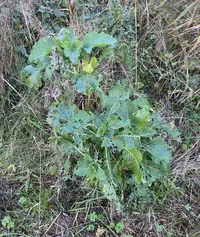
Hanover-salad, Brassica napus var. pabularia, is a leafy brassica grown mainly as a cool-season salad and cooking green. It is closely related to kale and turnip, with tender, flat to slightly ruffled leaves and a compact, fast-growing habit.

The plant is typically grown in gardens and fields rather than found truly wild, especially in temperate regions of North America and Europe. It is valued for quick harvests and mild, pleasant flavor.

Plants are generally easy to grow if given full sun, consistent moisture, and well-drained, fertile soil. Understanding how to care for Hanover-salad helps reduce issues with bolting, pests, and leaf quality.

Main Plant Requirements

Care Difficulty

Easy Care

Light Preference

Full Sun

Water Requirements

Regular Water

Temperature Preference

Cool Climate

Hardiness Zone

7–9

Soil Texture

Loamy, Silty, Organic-rich

Soil pH

Acidic (5.5–6.5), Slightly acidic (6.5–7.0)

Soil Drainage

Moist but well-drained

Fertilization

Moderate (every 2–4 weeks)

Get Personalized Care Plan

Scan your plant to receive care tips personalized for your specific plant

Available on iOS and Android

How to Care for the Hanover-salad

This leafy Brassica prefers consistent, cool-season sun exposure for tender, flavorful growth.

  • Provide 4–6 hours of direct sun daily, ideally with morning sun and light afternoon shade to prevent leaf scorch in warm climates.
  • Tolerates partial shade (2–4 hours direct sun), but plants may grow taller with slightly thinner leaves and slower maturity, especially in summer.
  • In hot regions, use Hanover-salad in beds that get full sun in spring and fall, then dappled or filtered light during peak summer heat.

This crop prefers steady moisture in well-drained soil to support fast, leafy growth.

  • Aim for consistently moist soil, letting the top 2–3 cm dry slightly before watering again to avoid waterlogging and root stress.
  • Increase watering during warm, windy periods when leaves wilt between waterings, but reduce frequency in cool, cloudy weather and after heavy rain.
  • Ensure soil drains freely; yellowing, soft leaves and a sour smell suggest overwatering, while dull, limp leaves and dry, cracked soil suggest underwatering for Brassica napus var. pabularia.

This cool-season leafy brassica performs best in mild, stable temperatures.

  • Optimal growth occurs at 50–70°F (10–21°C), which supports steady leaf production and good texture without strong bitterness.
  • Plants tolerate light frosts down to about 25°F (-4°C), but repeated freezes below this can damage growing tips and older outer leaves.
  • Heat above 80°F (27°C) can cause stress, faster bolting, and tougher leaves, so shift main production to spring and fall in hot-summer regions.

Humidity is not a critical factor for Hanover-salad, which adapts well to typical outdoor levels in temperate climates.

This leafy Brassica prefers fertile, well-structured soil that drains freely yet holds steady moisture.

  • Use a loamy soil with 30–40% organic matter such as compost or well-rotted manure to support rapid leafy growth.
  • Aim for slightly acidic to neutral pH around 6.0–7.0 to optimize nutrient availability and minimize trace element problems.
  • Improve drainage and aeration by integrating coarse sand or fine grit into heavier clay soils before planting Brassica napus var. pabularia.
  • Avoid compacted, waterlogged, or very sandy soils that either suffocate roots or dry out too quickly between waterings.

This crop can be grown successfully in containers when provided with enough root depth and stable moisture.

  • Choose a container at least 25–30 cm deep to allow a strong taproot and lateral roots to develop without circling tightly.
  • Select a heavier material like terracotta or thick plastic to limit tipping when foliage becomes dense and top-heavy.
  • Line the bottom with a thin layer of coarse gravel or broken pottery above the drainage holes to prevent mix loss while keeping outflow fast.

This leafy Brassica benefits from moderate feeding to support fast, tender growth in cool seasons.

  • Apply a balanced soluble fertilizer (for example 10-10-10) at 1/2 strength every 2–3 weeks during active growth in spring and fall.
  • Work in mature compost or well-rotted manure before planting Hanover-salad to enrich soil structure and nutrient supply.
  • Avoid heavy feeding in hot midsummer and reduce fertilization to once every 4–6 weeks in winter or during dormancy.
  • Water before and after liquid feeding to prevent root burn and improve nutrient uptake.

Pruning Brassica napus var. pabularia is light and mainly focused on hygiene and harvest quality.

  • Use clean, sharp scissors or snips to remove yellowing, diseased, or insect-damaged leaves whenever noticed.
  • Harvest outer leaves first to maintain a compact rosette and encourage new inner growth.
  • Thin overcrowded plants in the bed to improve air circulation and reduce foliar disease risk.
  • Cut flowering stems at the base if leafy production is preferred, since bolting diverts energy from foliage.

This leafy brassica is usually grown as an annual crop and is more often transplanted in beds than repotted long term.

  • Transplant seedlings when they have 3–4 true leaves and roots hold the plug together but are not tightly circling.
  • Aim to transplant in early spring or late summer for cool-season growth, avoiding very hot or freezing periods.
  • Space plants adequately in the garden to prevent crowding, which can slow growth and increase disease pressure.
  • Water seedlings well before and after moving, handle the root ball gently, and provide shade for 2–3 days to limit transplant shock.

This crop is commonly propagated from seed, which allows quick and uniform stands.

  • Sow seeds directly outdoors or in trays in early spring or late summer when soil temperatures are around 50–75°F.
  • Use a fine, well-drained seed-starting mix and cover seeds lightly, about 0.5 cm deep.
  • Keep the medium evenly moist and provide bright light; seedlings usually emerge in 5–10 days.
  • Thin or transplant seedlings to final spacing once they develop 2–3 true leaves for sturdy growth.

This cool-season leafy brassica tolerates light frosts but benefits from simple winter care in colder regions.

  • In-ground plants survive brief drops below 32°F, but prolonged freezes below about 20°F may damage foliage.
  • Apply 5–8 cm of straw or leaf mulch around the base to insulate the root zone and moderate soil temperature.
  • In very cold climates, use low tunnels or row covers to reduce freeze-thaw stress and extend harvest.
  • Move container-grown plants to a sheltered, unheated but frost-free area during severe cold spells.

Care Tips

Staggered Succession Sowing

Sow small blocks every 10–14 days rather than one large planting to keep leaves at a tender, harvestable stage over a longer season and to spread out pest pressure.

Row Cover From Emergence

Install lightweight insect netting or floating row cover immediately after seedlings emerge and secure all edges to the soil to physically block flea beetles, aphids, and cabbage worms without spraying.

Targeted Leaf Harvesting

Harvest outer leaves regularly with clean scissors, leaving the central growing point intact, to encourage continuous regrowth and maintain plants in a productive juvenile phase.

Nutrient-Efficient Spacing

Use relatively tight spacing (about 15–20 cm between plants in 25–30 cm rows) to shade soil, suppress weeds, and direct more energy into leafy growth rather than coarse, oversized plants.

Season Extension Management

For growing Hanover-salad into cooler months, use low tunnels with vented ends during mild days and fully closed ends only on frosty nights to prevent overheating and disease from excess humidity.

Common Pests and Diseases

Cabbage aphids

This pest forms dense gray‑green colonies on young leaves, stems, and undersides of foliage, often causing curling, yellowing, and sticky honeydew deposits.

Solution

Spray plants with a strong jet of water to dislodge colonies, then treat remaining aphids with insecticidal soap or neem oil, coating leaf undersides thoroughly; remove heavily infested leaves and encourage natural predators like lady beetles by limiting broad-spectrum insecticides when growing Hanover-salad.

Flea beetles

These insects chew numerous small round holes in leaves, giving foliage a shot‑holed or lace‑like appearance, and can severely stunt young seedlings.

Solution

Use floating row covers from planting to protect seedlings, keep the soil evenly moist to support rapid growth, and apply a thin layer of fine mulch; in heavier infestations, spot-treat foliage and soil surface with a labeled pyrethrin or spinosad product, following all instructions carefully.

Cabbage worms

This pest is the green caterpillar stage of white cabbage butterflies, feeding between leaf veins and leaving irregular holes and green droppings on foliage.

Solution

Handpick caterpillars regularly and check leaf undersides, then apply Bacillus thuringiensis (Bt) kurstaki to foliage, reapplying after rain; floating row covers can prevent butterflies from laying eggs on young plants.

Clubroot

This disease causes swollen, distorted roots, leading to wilting in warm parts of the day, stunted growth, and yellowing leaves despite adequate water.

Solution

Remove and destroy affected plants including as much root as possible, avoid moving contaminated soil, and practice long crop rotations of at least 4–7 years out of brassicas; improving drainage and liming acidic soils toward pH 7.0–7.2 can help reduce future infections.

Black rot

This disease produces yellow V‑shaped lesions starting at leaf edges with darkened veins, eventually leading to leaf drop and reduced head or leaf quality.

Solution

Remove and discard infected plants and plant debris, avoid overhead watering that keeps leaves wet, and space plants to improve airflow; use only certified clean seed or transplants and practice a 3–4 year rotation away from brassicas to lower inoculum in the soil.

Interesting Facts

Cold-tolerant leafy crop

This leafy form of oilseed rape is grown as a cool-season vegetable and forage because it continues producing tender leaves under conditions that stop many other brassicas.

Distinct from Siberian kale

Although often sold as Siberian kale, it belongs to Brassica napus rather than Brassica oleracea, which gives it a slightly different leaf texture, flavor profile, and nutrient composition compared with true kales.

Dual-use in agriculture

In many farming systems it serves as both a leafy green for human consumption and a high-quality forage crop for livestock, reflecting its origin as a leafy selection from oilseed rape types.

FAQs about Hanover-salad

This leafy brassica is edible and commonly grown as a cooking green. Young leaves taste mild and tender, suitable for salads or light cooking. Older leaves become tougher and stronger-flavored, better for braising, stir-fries, or stews.

Grow Healthy Plants with Botan Care

Keep your plants happy and healthy with plant identification, disease detection, and easy care guidance.

Botan plant care app — identify plants on mobile

Explore More Plants