Deer Mushroom Care (Pluteus cervinus)

Also known as: fawn mushroom, Deer shield
Deer Mushroom

About Deer Mushroom

Deer mushroom, Pluteus cervinus, is a saprophytic fungus that naturally grows on decaying hardwood, fallen logs, and buried wood debris. It is not a typical houseplant but can appear in outdoor garden beds rich in wood-based mulch.

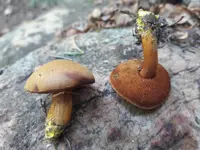
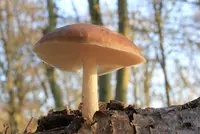
Its medium-sized brown cap, pale gills, and slender stem give it a modest, woodland look. Fruiting bodies usually appear in small groups rather than dense clusters.

This species can be challenging to cultivate intentionally because it depends on well-decayed wood and stable moisture. For those who want to learn how to care for Deer Mushroom, it is important to focus on a shaded, humid environment and consistently moist, wood-rich substrate.

Main Plant Requirements

Care Difficulty

Hard Care

Light Preference

Shade

Water Requirements

Keep Soil Moist

Temperature Preference

Cool Climate

Hardiness Zone

Unknown

Soil Texture

Organic-rich, Peaty, Loamy

Soil pH

Acidic (5.5–6.5), Slightly acidic (6.5–7.0)

Soil Drainage

Moist but well-drained

Fertilization

Minimal (feed rarely)

Get Personalized Care Plan

Scan your plant to receive care tips personalized for your specific plant

Available on iOS and Android

How to Care for the Deer Mushroom

This saprophytic fungus prefers shaded woodland light rather than direct sun exposure.

  • Aim for dappled or filtered light under trees, similar to a forest floor, with no more than 1–2 hours of gentle morning sun.
  • Deer Mushroom fruiting bodies form best in partial to full shade; prolonged direct midday or afternoon sun can dry substrate and abort caps.
  • In summer, protect developing mushrooms from exposed edges where logs or mulch receive intense sun, while in cooler months slightly brighter shade is acceptable.

Moist, but not waterlogged, substrate is essential for steady fruiting.

  • Keep the top 2–5 cm of wood chips, leaf litter, or compost evenly moist; surface should feel damp to the touch but never slimy or puddled.
  • Increase monitoring during warm, windy periods, misting or gently soaking the substrate when it lightens in color or feels dry, then let excess drain away.
  • Reduce watering in cool or dormant periods to avoid anaerobic, sour-smelling patches, which suggest overwatering and poor oxygen in the mycelial zone.

This woodland fungus thrives in cool to mild conditions typical of temperate forests.

  • Optimal fruiting occurs around 55–68°F (13–20°C), with steady moisture and shade supporting more reliable cap formation.
  • Growth usually slows below about 40°F (4°C), and hard frost can damage exposed caps, though underlying mycelium often survives brief cold spells.
  • Temperatures above 77–80°F (25–27°C) can stress Pluteus cervinus; combine deeper shade and higher humidity to limit substrate overheating in hot weather.

This wood-decaying fungus fruits best in consistently moist, cool, shaded conditions rather than in very dry air.

  • Aim for ambient humidity around 60–80% when inducing fruiting, with the substrate surface kept evenly moist but never waterlogged.
  • In very dry air, caps may crack, margins dry out, and pins abort before expanding to full-sized Deer Mushroom fruiting bodies.
  • Raise humidity by misting the surrounding air, using a tented plastic cover with vents, or placing trays of water nearby without soaking the substrate.

Pluteus cervinus does not grow in conventional potting soil and instead needs a woody, lignin-rich substrate that supports decay.

  • Use a mix based on well-soaked hardwood sawdust, fine wood chips, and a small portion of wheat bran or other supplement to provide nutrients.
  • Maintain a loose, crumbly structure so air can move through the substrate; avoid compacted or clay-based materials that hold stagnant water.
  • Keep moisture at a field-capacity level, where the substrate is damp but only a few drops squeeze out; standing water or dripping-wet mix promotes anaerobic conditions.
  • Avoid strongly acidic or alkaline additives; a near-neutral environment (around pH 6–7) supports stable microbial activity and reliable colonization.

This species can be grown in containers if the vessel is treated as a moisture-retaining substrate chamber rather than a decorative plant pot.

  • Choose deep, opaque buckets or tubs that block light from the colonizing substrate but allow some surface exposure for fruiting once opened.
  • Drill multiple small side and bottom holes to balance slow gas exchange with moisture retention, preventing carbon dioxide buildup without drying the block.
  • Stabilize the container on a level, shaded surface so the heavy, hydrated substrate does not tip or compress unevenly as mushrooms develop.

Pluteus cervinus is a saprophytic mushroom that normally gains all needed nutrients from decaying wood or organic debris, so added fertilizer is not recommended for typical cultivation.

Pruning is not part of normal care for Pluteus cervinus because the fruiting bodies are short-lived and the main organism lives hidden in the substrate.

Cultivated Deer Mushroom is usually maintained by refreshing its substrate rather than by true repotting of a root system.

  • Replace spent or contaminated substrate when flushes decline, molds appear, or growth becomes patchy.
  • Refresh or transfer colonized substrate during mild conditions, avoiding temperature extremes that stress the mycelium.
  • Move blocks gently, keeping the colonized material intact to reduce tearing of the mycelial network.
  • Provide a clean, moisture-retentive but well-aerated woody substrate to support recovery after transplanting.

Propagation of Pluteus cervinus is specialized and usually left to experienced growers using sterile methods.

Outdoor populations of Pluteus cervinus in temperate regions generally need no intentional winter care from the gardener.

Care Tips

Use clean substrate

Prepare hardwood sawdust or chips by pressure-sterilizing or thoroughly pasteurizing them to reduce competing fungi and bacteria before inoculation.

Optimize inoculation points

Break spawn into many small pieces and distribute it through several thin layers of substrate to shorten colonization time and lower contamination risk when growing Deer Mushroom.

Control fresh air

Provide frequent but gentle air exchange in the fruiting area using a small fan on low or passive vents, avoiding strong drafts that dry caps and abort pins.

Monitor substrate depth

Keep the main substrate layer relatively shallow (5–10 cm) in trays or beds so it colonizes evenly and fruits more reliably rather than forming dense, unproductive blocks.

Harvest at prime stage

Cut mushrooms at the base when caps are nearly flat but before gills darken fully, which maintains best texture and helps reduce spore load in enclosed spaces.

Everything About Deer Mushroom

Common Pests and Diseases

Competing soil molds

This disease affects cultivated substrates and can quickly overgrow deer mushroom mycelium, reducing or stopping mushroom production. Symptoms include patches of dense, off‑white, gray, green, or black mold that spread faster than the intended mycelium.

Solution

Remove and discard heavily contaminated substrate to prevent spores spreading, and start new culture with fully sterilized or pasteurized growing medium and clean tools. Reduce excess moisture, improve fresh air exchange, and lower nutrient overload in the substrate, since leaner, well‑drained mixes and strict hygiene are central to Pluteus cervinus care instructions.

Bacterial blotch

This disease appears on caps in very humid or wet conditions, causing slimy, greasy, or water‑soaked spots that may turn yellow‑brown. Symptoms include soft, slippery areas on the mushroom surface and an unpleasant odor in severe cases.

Solution

Improve air circulation around the crop, reduce surface water by avoiding overhead misting, and keep humidity slightly lower while maintaining good hydration of the substrate, not the caps. Remove and discard affected fruiting bodies promptly and disinfect growing containers and nearby surfaces between cycles with a food‑safe sanitizer.

Fungus gnat larvae

This pest lays eggs in the moist substrate, and the larvae feed on mycelium and developing pins, leading to deformed or aborted mushrooms. This pest also helps spread molds and bacteria through the growing area.

Solution

Use fine mesh screens on vents, avoid standing water, and let the top layer of substrate dry slightly between mistings to make conditions less favorable. Apply yellow sticky traps for adults, remove heavily infested blocks or trays, and, if needed, introduce biological controls such as Bacillus thuringiensis israelensis (Bti) according to label directions for mushroom production systems.

Sciarid flies

These insects resemble small dark flies that hover near fruiting bodies and substrate, and their larvae tunnel through stems and caps. This pest often appears in warm, humid grow rooms with organic debris and can reduce yield and quality.

Solution

Keep the grow area clean, remove spent substrate promptly, and seal gaps where flies may enter. Combine yellow sticky traps for adults with improved ventilation and careful moisture management, and consider biological controls such as predatory nematodes targeted to fly larvae if populations remain high.

Interesting Facts

Wood-decaying specialist

This species is a saprotrophic fungus, meaning it feeds on dead organic matter, and it is especially common on well-rotted hardwood, where it plays an important role in breaking down lignin and cellulose in forest ecosystems.

Microscopic identification keys

Although the cap and stem are fairly plain, reliable identification often depends on microscopic features such as smooth, ellipsoid spores, free gills, and distinctive pleurocystidia (specialized cells on the gill face).

Challenging species complex

What was once treated as a single, variable species is now understood to be a complex of several closely related taxa, and modern mycologists often use DNA sequencing to separate true Pluteus cervinus from its look-alikes.

Botan icon

Did you know?

Despite being widespread and often abundant, this fungus is one of the main reference species used by mycologists to demonstrate the classic free-gilled structure of the genus Pluteus, making it a frequent teaching example in field courses and identification workshops.

FAQs about Deer Mushroom

This species is considered edible but is easily confused with toxic brown-gilled mushrooms. Identification requires experience with gill color, spore print, and microscopic features. For safety, avoid consumption unless confirmed by a qualified mycologist.

Grow Healthy Plants with Botan Care

Keep your plants happy and healthy with plant identification, disease detection, and easy care guidance.

Botan plant care app — identify plants on mobile

Explore More Plants