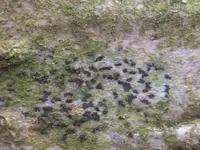
Ascobolus furfuraceus Care

Ascobolus furfuraceus

About Ascobolus furfuraceus

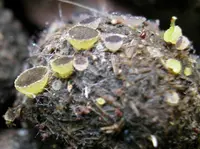
Ascobolus furfuraceus is a small saprophytic fungus, not a typical leafy houseplant. It grows on decaying organic matter, especially dung and rich compost, forming tiny cup-shaped fruiting bodies. These discs are often yellowish to brown and appear in scattered patches rather than as a single large colony.

The species occurs mainly in temperate regions, including parts of Europe and North America, wherever suitable organic substrates are available. It is not commonly cultivated, and attempts to care for Ascobolus furfuraceus at home are experimental rather than routine.

Its growth depends on consistently moist, nutrient-rich material and access to natural microbial communities. Light exposure is less critical than maintaining the right substrate and humidity conditions.

Main Plant Requirements

Care Difficulty

Moderate Care

Light Preference

Partial Shade

Water Requirements

Moderate Water

Temperature Preference

Warm Climate

Hardiness Zone

Unknown

Soil Texture

Loamy

Soil pH

Slightly acidic (6.5–7.0)

Soil Drainage

Well-drained

Fertilization

Minimal (feed rarely)

Get Personalized Care Plan

Scan your plant to receive care tips personalized for your specific plant

Available on iOS and Android

How to Care for the Ascobolus furfuraceus

This small saprophytic fungus prefers stable, gentle light conditions on its natural substrates.

  • Provide bright, indirect light or light dappled shade, with no more than 2–4 hours of weak morning sun to avoid drying of the substrate surface.
  • Protect fruiting bodies from intense midday and afternoon sun, which can quickly desiccate tissues and halt spore development.
  • In summer, increase shade or filtered light; in cooler seasons, slightly higher light exposure is tolerated if moisture remains stable.

Moisture management is critical, as this fungus relies on consistently damp but not waterlogged organic material.

  • Maintain the substrate evenly moist, allowing only the top 0.5–1 cm to begin drying before gently remoistening with fine mist or light watering.
  • Use a loose, well-draining organic mix so excess water runs off; standing water or soggy conditions promote anaerobic decay and can suppress fruiting.
  • In warmer, drier periods, check moisture daily; signs of underwatering include shriveling cups, while overwatering shows as foul odor and slimy substrate.

Stable, cool to mild temperatures support reliable growth and sporocarp formation for this species.

  • Aim for 55–70°F (13–21°C) as the main activity range, where mycelial growth and fruiting tend to be most consistent.
  • Avoid temperatures below 40°F (4°C), which slow development sharply; light, brief chills are tolerated but hard frost can damage exposed structures.
  • Temperatures above 77–80°F (25–27°C), especially with low humidity, can dry the substrate rapidly, so increase shading and moisture in hot weather.

This species develops naturally on dung in open air, so ambient outdoor humidity is usually sufficient and not a major control factor for growth.

For cultivation attempts, this dung-inhabiting fungus needs a highly organic, well-aerated substrate that mimics its natural manure habitat.

  • Use a loose mix based on well-aged, leached herbivore manure blended with leaf mold or compost to create a soft, crumbly structure.
  • Ensure rapid drainage by adding 20–30% coarse sand or fine grit so water does not pond around the developing fruiting bodies.
  • Keep pH near neutral (pH 6.5–7.5), avoiding strongly acidic or limy mixes that can suppress fungal activity.
  • Avoid compacted, peat-heavy, or waterlogged substrates, which limit aeration and can favor competing molds over Ascobolus furfuraceus.

This species is not well suited to decorative container growing, but it can be cultured in shallow trays for observation.

  • Choose a wide, shallow tray so the dung-based substrate forms a thin layer, supporting aeration and more uniform colonization.
  • Use rigid plastic or glazed ceramic trays that retain moisture evenly while still allowing surface drying between waterings.
  • Raise the container on spacers or a mesh rack to keep the drainage holes fully open and prevent standing water under the tray.

This saprophytic fungus usually gains enough nutrients from its substrate, so additional fertilizing of Ascobolus furfuraceus is rarely necessary in typical culture.

As a small cup fungus, Ascobolus furfuraceus does not require horticultural pruning; management focuses on hygiene rather than shaping.

When Ascobolus furfuraceus is grown for study or display, attention centers on renewing the substrate rather than traditional repotting.

  • Refresh or replace the organic substrate once it becomes depleted, compacted, or heavily contaminated with other fungi or molds.
  • Carry out any transfer during active growth so the mycelium resumes colonization quickly after disturbance.
  • Move small substrate portions containing healthy mycelium into a fresh, slightly moist medium of similar composition.
  • Handle the colonized material gently to avoid breaking it apart excessively, which can stress the mycelium.

Propagation of this fungus is typically left to natural spore production and is not a routine task for home growers.

Outdoor populations are generally cold hardy and need no special winter care beyond natural habitat protection.

Care Tips

Use natural substrates

Grow cultures on small pieces of naturally decaying plant material (such as well-rotted straw or leaf litter) placed on agar or in shallow trays to better mimic the fungus’s preferred substrate and encourage reliable fruiting.

Control moisture pulse

Instead of keeping the substrate constantly wet, allow it to dry slightly, then mist or gently water to trigger a moisture pulse, which often stimulates sporocarp formation in coprophilous fungi like this species.

Light for sporulation

Provide diffuse light for several hours per day during the expected fruiting period, as many ascobolus species sporulate more reliably with a clear light–dark cycle rather than in complete darkness.

Isolate contamination early

Inspect cultures regularly with a hand lens and promptly remove or re-plate any sectors showing fast-growing molds or yeasts, since contamination easily outcompetes this relatively slow-fruiting fungus.

Schedule spore collection

Plan observations and spore collection for the period shortly after fresh appearance of the small cup-like fruiting bodies, because they degrade quickly and timing is critical when caring for Ascobolus furfuraceus in a culture setting.

Common Pests and Diseases

sap beetle grazing

This pest uses the fruiting bodies as a food source, leaving small pits and scars on the surface of the cups. Symptoms include irregular damage to the disc and scattered frass around the colony.

Solution

Remove and discard heavily grazed fruiting bodies and nearby decaying organic matter that attracts beetles, such as overripe fruit or fermenting plant waste. Use fine mesh or physical barriers over culture trays and maintain clean, dry surroundings to reduce beetle access and food sources.

fungal overgrowth by molds

This disease appears when fast-growing molds, such as Penicillium or Trichoderma, colonize the substrate or fruiting cups and outcompete the ascocarp. Symptoms include a fuzzy green, blue, or white mat that quickly covers the discs and stops normal spore production.

Solution

Discard heavily contaminated cultures or substrate and start again with sterile material and tools. Reduce excess moisture, improve air exchange, and avoid crowding culture containers to limit mold establishment and spread, which are key parts of practical Ascobolus furfuraceus care instructions.

sciarid fly larvae

This pest occurs when adult fungus gnats lay eggs in moist, organic substrates, and their larvae feed on mycelium and young fruiting structures. Symptoms include thinning or failure of cup development and visible small, translucent larvae in the substrate surface layer.

Solution

Allow the substrate surface to dry slightly between waterings, and cover it with a thin, well-drained mineral layer such as sand to reduce egg laying. Use yellow sticky traps for adults and, in culture setups, ventilate containers and remove any waterlogged material to lower larval survival.

bacterial soft decay

This disease causes localized water-soaked spots on the cups that rapidly turn slimy and collapse. Symptoms include a foul odor, liquefied tissue, and rapid loss of structure in affected ascocarps.

Solution

Promptly remove and dispose of affected fruiting bodies and any adjacent decomposing organic matter. Improve air movement around the substrate, avoid direct splashing water on the cups, and reduce prolonged surface wetness to limit bacterial spread and reinfection.

Interesting Facts

Bright yellow discs

This fungus forms tiny, bright yellow to orange disc-shaped fruiting bodies, often only 1–3 mm across, that are scattered over decaying plant material and can be overlooked without magnification.

Specialist on dung

It is a coprophilous fungus, meaning it specializes in growing on animal dung, where it completes its life cycle by using the nutrient-rich substrate to produce spores.

Spore-shooting mechanism

Its asci (spore sacs) build up internal pressure and then release spores explosively into the air, an adaptation that helps spores travel away from the dung to new habitats via wind and herbivores.

FAQs about Ascobolus furfuraceus

This fungus is not considered edible. It is very small, grows on dung or decaying plant matter, and has no culinary value. It should be treated as inedible and left for ecological observation only.

Grow Healthy Plants with Botan Care

Keep your plants happy and healthy with plant identification, disease detection, and easy care guidance.

Botan plant care app — identify plants on mobile

Explore More Plants