porcelain fungus Care (Mucidula mucida)

porcelain fungus

About porcelain fungus

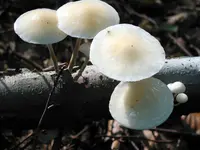
Porcelain fungus, Mucidula mucida, is a small, wood-decaying mushroom rather than a traditional leafy plant. It forms smooth, glossy white caps that look almost glazed, often appearing in groups on rotting beech wood.

In nature it is native to European beech forests, thriving in cool, moist, shaded conditions on decaying logs and branches. Its need for consistently high humidity, steady moisture, and suitable wood substrate makes it challenging to grow at home, so anyone wanting to learn how to care for porcelain fungus should expect a more advanced project than typical houseplants.

Main Plant Requirements

Care Difficulty

Hard Care

Light Preference

Shade

Water Requirements

Keep Soil Moist

Temperature Preference

Cool Climate

Hardiness Zone

Unknown

Soil Texture

Loamy, Silty, Organic-rich

Soil pH

Acidic (5.5–6.5)

Soil Drainage

Moist but well-drained

Fertilization

Minimal (feed rarely)

Get Personalized Care Plan

Scan your plant to receive care tips personalized for your specific plant

Available on iOS and Android

How to Care for the porcelain fungus

This fungus prefers low, forest-like light rather than direct sun exposure.

  • Provide full shade to very dappled light, similar to a closed-canopy woodland; avoid direct midday or afternoon sun, which can desiccate fruiting bodies and substrate.
  • Aim for 1–2 hours of very soft early-morning sun at most, or constant bright shade; strong light above this level increases drying and stress.
  • In summer, increase shade and humidity, while in cooler seasons modestly brighter but still filtered light helps support steady growth for porcelain fungus.

Moisture management is critical for Mucidula mucida, which thrives in consistently damp, not waterlogged, conditions.

  • Maintain the substrate or host wood evenly moist; if growing on logs, surfaces should feel cool and damp but not dripping, with no standing water around the base.
  • Before re-wetting, allow only the top 0.5–1 cm of surface to start drying; deep cracking, lightened color, or very light weight of wood indicates underwatering risk.
  • Watch for sour odor, slimy patches, or persistent puddling as signs of overwatering, and adjust by improving drainage, reducing misting, or increasing airflow.

Temperature control strongly influences fruiting and overall vigor for this species.

  • Aim for a cool, stable range of 50–64°F (10–18°C) for best growth and fruiting, similar to shaded, moist woodland conditions.
  • Protect colonies from frost; growth slows below 41°F (5°C), and repeated freezing–thawing can damage mycelium and reduce future fruiting.
  • Limit exposure to heat above 77°F (25°C); short spikes to 80–82°F (27–28°C) may be tolerated if humidity stays high and the substrate does not dry out.

This wood-rotting fungus prefers consistently moist, humid air to develop healthy fruiting bodies.

  • Aim for 70–90% humidity, mimicking damp woodland conditions rather than typical indoor room air.
  • Dry air causes caps to dull, edges to crack, and growth to stall, signaling humidity stress.
  • Increase humidity by misting the surrounding substrate, using a humidity dome with vents, or running a nearby cool-mist humidifier.

This species develops best on a loose, moisture-retentive yet well-aerated substrate that mimics decaying beech wood.

  • Use a mix of finely chipped hardwood (especially beech), leaf mold, and a small amount of compost to provide structure and nutrients.
  • Maintain consistently moist but not waterlogged conditions; excess free water limits oxygen and encourages competing molds.
  • Aim for slightly acidic to neutral conditions around pH 5.5–7, which support Mucidula mucida colonization and fruiting.
  • Improve aeration by including coarse wood chips or bark pieces so air can move between particles and mycelium can breathe.

This fungus can be grown in containers if the substrate and moisture are managed carefully.

  • Choose a deep, sturdy plastic tub or bucket that holds stable moisture and can accommodate a thick layer of colonized wood substrate.
  • Drill multiple side and bottom holes for controlled drainage and gas exchange, then elevate the container so excess water can escape freely.
  • Use a loose-fitting lid or perforated cover to retain humidity while still allowing fresh air exchange around the developing fruiting bodies of porcelain fungus.

Mucidula mucida is a wood-decaying fungus that gains nutrients from its host and does not benefit from traditional plant fertilization.

Mucidula mucida does not require conventional pruning, since its fruiting bodies are temporary and the main organism lives hidden in the wood.

  • If needed, remove only obviously decayed or unsafe host wood using clean, sharp saws or loppers.
  • Cut branches back to the branch collar to support proper tree wound closure and reduce infection entry points.
  • Avoid cutting solely to remove the porcelain fungus, as this does not eradicate the underlying mycelium.
  • Consult an arborist before major structural pruning of host trees supporting the fungus.

This fungus grows on dead or dying beech wood and is not suited to typical repotting, but limited transplanting of inoculated wood is possible for study or cultivation.

  • Select fresh, sound beech logs with intact bark and visible, healthy fruiting bodies or mycelial growth.
  • Transplant during cool, moist seasons, typically in spring or early autumn, to limit drying and heat stress.
  • Move inoculated wood gently, keeping it shaded and moist; avoid knocking or splitting the log.
  • Place the log in a humid, sheltered outdoor spot, imitating a natural forest floor with leaf litter around but not burying the bark.

Propagation of Mucidula mucida is specialized and usually done by mycologists rather than home growers.

  • Use spore prints or colonized beech wood as starting material rather than standard plant cuttings or seeds.
  • Carry out work in cool, moist conditions, ideally in spring or autumn, to support mycelial growth.
  • For controlled culture, transfer tissue or spores onto sterile agar, then to pasteurized hardwood substrate under clean conditions.
  • Outdoors, position colonized wood near fresh beech logs so mycelium can naturally spread into new material over time.

In its natural range, Mucidula mucida tolerates normal winter conditions and generally needs no special protection.

  • Leave colonized logs outdoors so natural cold and moisture cycles can continue uninterrupted.
  • Avoid bringing heavily colonized wood into heated indoor spaces, which can dry and stress the mycelium.
  • If extreme cold without insulating snow is expected, a light layer of leaf litter around but not over the logs helps moderate temperature swings.

Care Tips

Use hardwood logs

Inoculate fresh beech or other smooth-barked hardwood logs within 2–4 weeks of felling, since recently cut wood with intact bark gives this species the best chance to colonize cleanly before competing fungi arrive.

Shade and moisture shield

Set up a simple rain and shade screen above your logs or stumps so they receive indirect light and frequent surface wetting without full sun or constant pounding rain that can damage the developing caps.

Clean inoculation tools

Flame or alcohol-sterilize drill bits, inoculation tools, and your hands or gloves before each log to reduce contamination from competing fungi and bacteria during spawn insertion.

Bark integrity check

Choose and maintain logs with tight, unbroken bark, since this species fruits best where the bark remains intact and does not dry, crack, or peel away from the sapwood.

Moisture monitoring routine

Press the cut end of the log and inspect the exposed wood color every few weeks; if it looks pale and feels dry instead of slightly cool and damp, soak the log for 12–24 hours to support stable colonization when caring for porcelain fungus.

Common Pests and Diseases

Slime molds

This disease appears as gelatinous, often brightly colored patches that spread across decaying wood and sometimes over the fungus surface. Symptoms include smothered caps and gills, slowing or halting fruiting body development.

Solution

Gently remove affected fruiting bodies and any heavily colonized wood, then improve air movement and reduce excessive surface moisture around the culture or log. Avoid overhead misting directly onto caps and maintain moderate, stable humidity to discourage slime mold growth while still allowing Mucidula mucida to fruit.

Competing wood-decay fungi

This disease complex occurs when other wood-rotting fungi colonize the same log or substrate, producing different brackets or crusts that outcompete porcelain fungus. Symptoms include reduced or absent M. mucida fruiting, along with visible foreign fungal bodies on the wood.

Solution

Cut away or discard sections of wood heavily colonized by competing fungi and, if possible, transfer clean, actively colonized M. mucida mycelium to fresh, uncontaminated hardwood. Maintain stable moisture and good airflow so the desired fungus can colonize quickly and form a dense mycelial network that resists competitors, following general Mucidula mucida care principles for substrate hygiene.

Fungus gnats

These insects are small dark flies whose larvae feed in damp substrate, sometimes tunneling through the mycelium or developing fruiting bodies. Symptoms include soft, damaged stems, aborted pins, and small black flies hovering near the growing area.

Solution

Reduce excess surface moisture, allow the top layer of the substrate or log surface to drain between mistings, and use fine mesh or sticky traps to reduce adult populations. Remove heavily infested fruiting bodies and, in indoor setups, improve ventilation and avoid standing water to break the gnat life cycle without stressing the fungus.

Mite infestations

These pests are tiny arthropods that can feed on mycelium or developing fruiting bodies, leaving pitted or scarred tissue and reducing cap quality. Symptoms include a dusty or speckled appearance on caps and visible moving specks under close inspection.

Solution

Carefully remove and discard heavily affected fruiting bodies and clean surrounding surfaces to remove debris where mites hide. In controlled growing porcelain fungus setups, lower excess humidity, increase air movement, and, if needed, introduce predatory mites that target pest mites without harming the fungus.

Interesting Facts

Beech specialist

This fungus is strongly associated with European beech and is most often found fruiting on dead or dying Fagus sylvatica trunks and large branches in humid, shaded woodlands.

Slimy protective cap

The thick, gelatinous slime layer on the cap surface helps prevent the fruit body from drying out and may reduce damage from invertebrate grazers and microbes.

Partially translucent tissues

The cap and gills are pale and slightly translucent, so light can pass through the tissues and make the fruit bodies appear to glow slightly in damp, low-light forest conditions.

Botan icon

Did you know?

Mucidula mucida plays an important role as a white-rot fungus, using specialized enzymes to break down lignin in beech wood and thereby helping to recycle tough woody material back into the forest nutrient cycle.

FAQs about porcelain fungus

This wood-rotting species develops fruiting bodies quickly once conditions are suitable, often appearing within days after rain on decaying beech. Growth speed depends on moisture, temperature, and log condition rather than a predictable, plant-like schedule.

Grow Healthy Plants with Botan Care

Keep your plants happy and healthy with plant identification, disease detection, and easy care guidance.


Botan plant care app — identify plants on mobile

Explore More Plants