beeswax bracket Care (Ganoderma pfeifferi)

beeswax bracket

About beeswax bracket

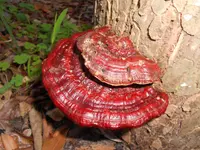
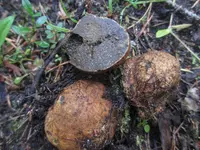
The beeswax bracket, Ganoderma pfeifferi, is a perennial bracket fungus rather than a leafy plant. It forms thick, waxy, semicircular shelves on the trunks and large branches of broadleaf trees, especially beech. The surface is often yellow to brown and can look slightly greasy or wax-coated.

This species is native to Europe but may be encountered in collections or specialty cultivation projects. It is slow-growing and wood-dependent, which makes it challenging to maintain outside natural or simulated woodland conditions. Anyone wanting to learn how to care for beeswax bracket should understand its reliance on decaying hardwood and stable, moist, shaded environments.

Main Plant Requirements

Care Difficulty

Moderate Care

Light Preference

Shade

Water Requirements

Keep Soil Moist

Temperature Preference

Cool Climate

Hardiness Zone

Unknown

Soil Texture

Organic-rich, Loamy

Soil pH

Acidic (5.5–6.5)

Soil Drainage

Moist but well-drained

Fertilization

Minimal (feed rarely)

Get Personalized Care Plan

Scan your plant to receive care tips personalized for your specific plant

Available on iOS and Android

How to Care for the beeswax bracket

Ganoderma pfeifferi typically fruits on shaded, decaying hardwood and does not need direct sun.

  • Aim for bright shade or dappled woodland light, with no more than 1–2 hours of weak morning sun reaching the beeswax bracket directly.
  • Provide 0 direct-sun hours in hot climates; use canopy cover, fences, or north/east-facing aspects to block harsh midday and afternoon sun.
  • In summer, protect from intense light that can dry wood rapidly; in winter, bare branches can allow more indirect light without harm.

This wood-decay fungus depends on consistent moisture in its host wood rather than classic soil watering.

  • Allow the upper 2–5 cm of surrounding soil or mulch to dry slightly before re-moistening the area around the colonized wood.
  • Increase moisture from late spring to early fall, using soaker hoses or gentle sprinkling so water penetrates slowly without creating standing puddles.
  • Reduce supplemental water in cool weather to avoid waterlogging, which encourages competing fungi and bacteria; cracking and very light, brittle brackets suggest prolonged dryness.

This species favors cool to mild conditions and declines in prolonged heat or hard frost.

  • Optimal growth typically occurs around 50–70°F (10–21°C), with many brackets forming during cool, moist periods of the year.
  • It tolerates down to about 23–25°F (-5 to -4°C) for short periods, but repeated hard freezes can damage young fruiting bodies.
  • Sustained temperatures above 80°F (27°C), especially combined with low humidity, can dry out host wood and reduce fruiting, so shade and moisture retention are important in hot summers.

This wood-decaying fungus is adapted to outdoor forest conditions, so active humidity control is usually unnecessary.

This species naturally fruits from decaying hardwood, so it should be treated more like a wood-inhabiting fungus than a conventional potted plant.

  • Use large sections of well-rotted, preferably beech or other broadleaf hardwood, rather than a standard potting mix, to support natural colonization.
  • Maintain the wood substrate evenly moist but never waterlogged, as prolonged saturation depletes oxygen and slows fungal growth.
  • Keep the fruiting wood on a slightly raised, free-draining surface such as coarse gravel so excess water can drain away from contact points.
  • Avoid highly acidic or alkaline additives; a near-neutral, organic wood substrate best reflects conditions where Ganoderma pfeifferi is usually found.

This species is not well suited to conventional container growing, since it develops on fixed hardwood rather than in free, root-filled substrate.

This wood-decaying fungus usually gains all needed nutrients from its host tree, so direct feeding of beeswax bracket is rarely necessary.

Pruning is generally not part of routine care for Ganoderma pfeifferi, as it forms woody brackets on trees rather than typical plant shoots.

Cultivation in containers is uncommon, so management focuses on how and when to move colonized wood rather than classic repotting.

  • Transplant only during cool, stable weather to reduce stress on the fungal mycelium in the wood substrate.
  • Move sections of colonized wood intact, avoiding disturbance or cutting through white mycelial zones.
  • Keep the new site shaded and with consistent moisture, mimicking the original forest or woodland conditions.
  • Monitor for drying or cracking of the host wood and maintain moderate humidity around the transplanted piece.

Propagation of Ganoderma pfeifferi is specialized and usually limited to research or advanced fungal cultivation projects.

This temperate bracket fungus is naturally cold hardy and normally requires no specific winter care when growing on outdoor host trees.

Care Tips

Hardwood Log Selection

Use freshly cut, disease-free hardwood logs from beech, oak, or maple, 10–20 cm in diameter, as these closely match the fungus’s natural hosts and support more reliable fruiting.

Clean Inoculation Technique

Disinfect drill bits and tools with 70% isopropyl alcohol before inoculating logs with spawn, and plug holes promptly with melted cheese wax to reduce contamination from competing fungi.

Shaded Log Stacking

Arrange inoculated logs in a crib or lean-to stack in deep shade with good airflow, keeping them slightly off bare soil on bricks or pallets to limit rot and soil-borne pathogens.

Moisture Management

During extended dry periods, soak logs in clean, cool water for 12–24 hours, then drain and rest them upright, which can rehydrate the wood and help grow Ganoderma pfeifferi more consistently.

Fruiting Body Monitoring

Inspect brackets regularly for soft spots, off-odors, or unusual discoloration, removing heavily decomposed or damaged fruiting bodies to slow decay of the host log and maintain safer display specimens.

Common Pests and Diseases

Bark beetle galleries

This pest creates tunneling galleries in the underlying wood where the bracket fungus is attached, sometimes disturbing fruiting body formation. Symptoms include small round entry holes near the base wood and weakened or deformed brackets over time.

Solution

Limit stress on the host wood by avoiding excessive drying or waterlogging and remove heavily infested logs or sections to reduce beetle numbers. Store inoculated wood or display pieces in a cool, shaded, well‑ventilated place and, if needed, physically brush off emerging beetles and seal cut wood ends with wax to reduce new attacks.

Mycophagous fly larvae

These insects lay eggs on young brackets and the larvae tunnel through the soft tissue, causing pitted, spongy areas and premature decay. Symptoms include small surface holes, fine frass, and soft, discolored patches inside the fruiting body.

Solution

Inspect brackets regularly and cut out heavily tunneled portions to reduce larval populations. Maintain lower humidity and stronger air movement around cultivated brackets, and use fine mesh or netting as a physical barrier to reduce adult fly access where practical for beeswax bracket indoor care.

Competing saprobic fungi

This disease pressure comes from other wood‑decay fungi colonizing the same log or stump, leading to patchy, malformed, or aborted Ganoderma brackets. Symptoms include different colored crusts or brackets emerging on the same wood and sections of G. pfeifferi tissue failing to expand.

Solution

Select clean, recently cut hardwood with minimal preexisting fungal growth and remove any visible foreign brackets or crusts before inoculation. If strong competitors appear, cut away and discard the affected wood section and re‑establish the culture on fresh, properly stored hardwood kept off bare soil and protected from constant saturation.

Bacterial soft rot

This disease can develop on damaged or waterlogged brackets, causing wet, slimy, foul‑smelling areas that collapse quickly. Symptoms include soggy patches, surface slime, and rapid disintegration of affected tissue.

Solution

Improve airflow and avoid continuous wetting of the fruiting body by adjusting irrigation or misting so the bracket dries between moisture events. Remove and discard all rotted tissue with a clean tool, then keep the remaining fungus in a cooler, drier, shaded location to discourage further bacterial growth.

Interesting Facts

Distinctive beeswax texture

The fruiting bodies have a greasy, wax-like surface and a sweet to slightly anise-like odor, which make this species easy to distinguish from other dark, hoof-shaped bracket fungi on broadleaf trees.

Specialist on beech

This fungus occurs mainly on living and dead European beech (Fagus sylvatica) and is most frequently recorded in mature or old-growth beech forests, where it contributes to the decay of heartwood and dead trunks.

Unusually persistent brackets

The brackets are perennial and can persist for several years, adding new layers of tubes annually, so older specimens often show multiple growth zones and a tough, layered internal structure.

Botan icon

Did you know?

This species produces distinctive dark, tar-like exudates that can stain the bark and surrounding area, a feature that field mycologists use as an additional clue when identifying it on beech trunks in the wild.

FAQs about beeswax bracket

Growth on infected hardwood is slow to moderate. Brackets expand a few cm per year, often reaching 10–20 cm across over several seasons, thickening and darkening as they age while the host wood steadily decays.

Grow Healthy Plants with Botan Care

Keep your plants happy and healthy with plant identification, disease detection, and easy care guidance.

Botan plant care app — identify plants on mobile

Explore More Plants