Sterile handling protocol
Always handle infected or colonized material with disposable gloves and disinfect tools with 70% isopropyl alcohol before and after use to prevent cross-contamination between cultures or host plants.

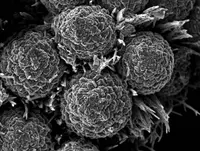
Chaetosphaerella phaeostroma is not a typical houseplant but a microscopic fungus found on decaying plant material. It forms tiny, dark fruiting bodies that release spores, usually visible only with magnification. In nature it contributes to breaking down dead vegetation and recycling nutrients in forest and woodland ecosystems.
This species is mainly of interest to mycologists and advanced hobbyists who culture fungi. It is not commonly grown indoors, and how to care for Chaetosphaerella phaeostroma is not well standardized. Successful cultivation generally depends on providing stable moisture, moderate temperatures, and a suitable organic substrate.

Care Difficulty
Moderate Care

Light Preference
Partial Shade

Water Requirements
Moderate Water

Temperature Preference
Warm Climate

Hardiness Zone
Unknown

Soil Texture
Loamy

Soil pH
Slightly acidic (6.5–7.0)

Soil Drainage
Well-drained

Fertilization
Minimal (feed rarely)
Scan your plant to receive care tips personalized for your specific plant
Available on iOS and Android
This species prefers stable, gentle light conditions rather than intense direct sun.
Moisture should be even and moderate, without prolonged saturation or complete drying.
Stable, mild temperatures support the healthiest development and activity of this species.
This fungus-like organism shows little sensitivity to ambient humidity under typical outdoor conditions.
Chaetosphaerella phaeostroma thrives on consistently moist, well‑drained, organic‑rich substrates rather than compact mineral soils.
This species is not well suited to container growing, as it typically develops on natural substrates in situ rather than confined pot culture.
This fungus typically grows on woody debris and does not benefit from routine fertilization in cultivation.
Pruning is not a standard practice for Chaetosphaerella phaeostroma, as it colonizes dead or decaying plant material rather than forming a shaped ornamental plant.
Transplanting is rarely relevant because this species is a saprophytic fungus that grows on organic debris rather than as a potted specimen.
Propagation of this species is mainly of interest for laboratory or specialist study rather than home cultivation, and is not recommended for casual growers.
No specific winter care is required, as this saprophytic fungus naturally experiences seasonal temperature shifts on outdoor woody debris.

Plant Health Check
Not sure what's wrong with your plant? Check your plant's health inside the app.
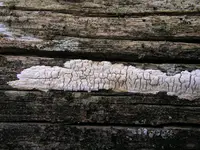
This species is a saprobe that decomposes dead woody plant material, playing a role in nutrient recycling in forest and shrub habitats where it occurs.
It produces dark, small, disc-like or cushion-like fruiting structures embedded in host tissue, a form of ascomata historically described under the form-genus Phaeostroma.
The fungus has undergone several taxonomic revisions as molecular data and microscopic study of its spores and asci have clarified its placement within the Chaetosphaeriaceae.
This species is a microscopic fungus that develops on plant material outdoors, not a decorative houseplant. It does not adapt to typical indoor conditions or container culture, so Chaetosphaerella phaeostroma indoor care is generally not relevant.
Keep your plants happy and healthy with plant identification, disease detection, and easy care guidance.