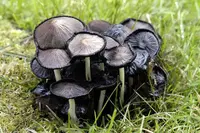
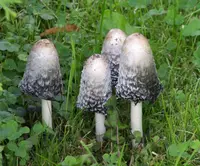
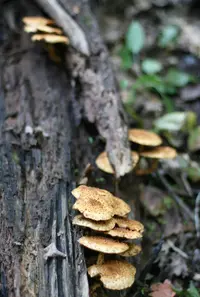
crescent crust Care (Chaetodermella luna)

crescent crust

About crescent crust

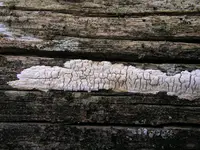
Crescent crust, Chaetodermella luna, is a small wood-decay fungus that forms thin, moon-shaped crusts on dead branches and logs. It is not a leafy houseplant but a specialized decomposer. The fruiting bodies usually appear as pale, smooth patches that closely hug the wood surface, sometimes forming gentle arcs that give it the crescent name.

This species is reported mainly from temperate forests, where it plays a role in breaking down dead hardwood. It is not commonly cultivated, so information on how to care for crescent crust is limited, but like many wood-inhabiting fungi it generally favors cool, moist, shaded conditions and well-decayed wood.

Main Plant Requirements

Care Difficulty

Moderate Care

Light Preference

Partial Shade

Water Requirements

Moderate Water

Temperature Preference

Warm Climate

Hardiness Zone

Unknown

Soil Texture

Loamy

Soil pH

Slightly acidic (6.5–7.0)

Soil Drainage

Well-drained

Fertilization

Minimal (feed rarely)

Get Personalized Care Plan

Scan your plant to receive care tips personalized for your specific plant

Available on iOS and Android

How to Care for the crescent crust

Chaetodermella luna prefers soft, filtered light that mimics a bright forest edge.

  • Provide dappled or filtered light with 2–4 hours of gentle morning sun; avoid harsh midday sun that can dry and crack the crescent crust surface.
  • Plant in a spot receiving bright shade or broken canopy light; it tolerates light partial shade but becomes sparse in deep shade.
  • In summer, protect from reflected heat and intense afternoon sun; in winter, slightly thinner canopy or a brighter position helps maintain steady growth.

Watering should keep the substrate evenly moist but never waterlogged.

  • Before watering, let the top 2–3 cm of soil or substrate feel just barely dry to the touch, then water until moisture reaches the root zone without pooling.
  • Ensure sharply drained, airy substrate so Chaetodermella luna does not sit in stagnant water, which encourages rot and sour, anaerobic conditions.
  • In cool or dormant periods, reduce watering frequency, watching for shriveling or brittle tissue as a sign of underwatering and soft, dark patches as a sign of excess moisture.

Stable, cool to mild conditions support steady development and fruiting.

  • Optimal growth occurs around 55–68°F (13–20°C), which matches many shaded woodland or cool garden situations.
  • Protect from hard frost; short dips to 32°F (0°C) may be tolerated, but sustained freezing below 30°F (-1°C) risks tissue damage and loss of fruiting bodies.
  • In hot spells above 77–82°F (25–28°C), increase shade and air movement and maintain slightly higher moisture to prevent stress and premature drying.

This fungus prefers moderately moist air but adapts to typical indoor humidity levels.

  • Aim for 50–70% humidity to keep crescent crust from drying or cracking at the edges.
  • In very dry air below 35%, watch for pale, shrunken, or brittle fruiting surfaces as humidity stress signs.
  • Increase humidity by placing the substrate tray over a shallow pebble-and-water layer or misting the surrounding air lightly without soaking the fruiting bodies.

Chaetodermella luna develops best on a loose, well-aerated substrate rather than compact mineral soil.

  • Use a mix based on fine wood chips, shredded bark, and leaf litter with some compost to supply organic matter.
  • Ensure rapid drainage so the substrate stays evenly moist but never waterlogged, which encourages competing molds and rot.
  • Maintain a slightly acidic to neutral reaction around pH 5.5–7.0 to support stable fungal activity.
  • Improve aeration by blending in coarse perlite or chunky bark pieces, and avoid dense clay or peat-heavy mixes that collapse and exclude air.

This species can be grown in shallow containers that support a stable, evenly moist substrate.

  • Select a wide, low tub so the substrate layer stays shallow, which reduces anaerobic pockets and promotes even colonization.
  • Choose opaque or dark-sided containers to limit light on the substrate and reduce surface algae and green mold growth.
  • Elevate the container on spacers so any drainage holes clear the shelf surface, allowing faster water escape and better gas exchange under the base.

This species grows on nutrient-poor substrates and usually needs no fertilizer when established outdoors.

Chaetodermella luna needs only minimal structural pruning to keep growth tidy and healthy.

  • Carry out light pruning in late winter or very early spring before active growth resumes.
  • Remove dead, damaged, crossing, or congested shoots to improve light penetration and airflow.
  • Use clean, sharp hand pruners and make angled cuts just above a healthy bud or side branch.
  • Conservative thinning helps maintain the natural form without forcing excessive, weak new growth.

Transplanting is infrequent and mainly needed when plants outgrow their site or container.

  • Look for roots circling the pot, water running straight through, or stalled growth as cues to transplant.
  • Plan moves for early spring or early fall, aiming for every 3–5 years at most for container-grown plants.
  • Lift with as much root ball as possible, teasing only the outer circling roots to limit shock.
  • Replant at the same depth, water thoroughly, then shade and shelter for 1–2 weeks while roots re-establish.

Propagation of Chaetodermella luna is possible but usually a slow, patient process for enthusiasts.

  • Use semi-ripe stem cuttings in late spring to summer, taking 8–10 cm sections with several nodes.
  • Place cuttings in a free-draining mix, keep at 68–75°F, and maintain high humidity with bright, indirect light.
  • Seed propagation requires fresh, viable spores or seeds, consistent moisture, and protection from direct sun.
  • Limit disturbance of young starts and pot on only once strong new roots and shoots are clearly visible.

This plant is moderately cold hardy and usually needs only basic winter attention in most temperate climates.

  • In regions below its hardiness range, add 5–8 cm of organic mulch to insulate the root zone.
  • Avoid waterlogged soil in winter, which increases the risk of root damage in freezing conditions.
  • Move container specimens to a cold, bright, frost-free space when sustained temperatures drop below 25°F.

Care Tips

Stable substrate mount

Attach the colony to a firm, decay-resistant hardwood or cork slab using soft ties or biodegradable mesh so the mycelium can colonize a stable surface without being disturbed during handling.

Gentle airflow management

Use a small fan on a low, indirect setting to keep air moving across but not directly blasting the fruiting surface, which helps reduce bacterial film and mold without drying the structure too quickly.

Low-contact handling

Move and inspect the specimen by holding its mount or container rather than the fruiting body, as direct pressure on the crescent structure easily causes bruising and damage that slow recovery.

Targeted sanitation routine

Disinfect tools, tweezers, and misting equipment before use and remove any decaying organic debris from around the base so competing fungi and mites do not establish in the same microhabitat.

Seasonal display rotation

During active display, limit handling and repositioning to no more than once every 1–2 weeks and return the mount to the same orientation each time, which helps maintain even development and simplifies caring for crescent crust over the long term.

Common Pests and Diseases

Fungus gnat larvae

This pest targets moist crescent crust cultures, where larvae feed on the fungal tissue and fine mycelium. Symptoms include thinning, uneven patches and slowed regrowth after watering or misting.

Solution

Allow the substrate surface to dry slightly between misting, use fine mesh covers on ventilation holes, and place yellow sticky traps near the container to reduce adult gnats. For persistent problems, drench the substrate with a biological control such as Bacillus thuringiensis israelensis (Bti), following label rates, and remove heavily damaged patches to encourage clean regrowth when caring for crescent crust.

Mite infestations

These insects are often introduced with contaminated substrate or wild wood and can graze on the fruiting crust and underlying mycelium. Symptoms include rough, pitted surfaces, patchy thinning, and fine moving specks on close inspection.

Solution

Quarantine new wood or substrate before use and avoid collecting material from obviously infested sites. If mites appear, physically remove affected pieces, improve air exchange without strong drafts, and, in severe indoor cases, use predatory mites from reputable suppliers as a targeted biological control rather than broad-spectrum chemicals.

Competing mold colonies

This disease appears when fast-growing molds colonize the same substrate, outcompeting crescent crust and disrupting fruiting. Symptoms include fluffy gray, green, or black growth spreading over or under the pale crust, often with a musty odor.

Solution

Promptly cut away or discard heavily contaminated substrate, and reduce overall humidity slightly while increasing gentle airflow to favor the crust over mold. Sterilize or at least heat-treat fresh wood or substrate before inoculation, and clean tools and containers thoroughly with 70% isopropyl alcohol or hot soapy water between uses.

Bacterial surface rot

This disease develops on persistently wet, stagnant surfaces and causes slimy, discolored patches that break down the thin fruiting layer. Symptoms include soft, water-soaked spots that turn tan to brown and may smell sour.

Solution

Reduce free water on the surface by misting more lightly and ensuring excess moisture can evaporate within a few hours. Remove affected segments, increase ventilation without direct drafts, and disinfect enclosures and tools before reintroducing healthy cultures.

Interesting Facts

Distinct crescent pore pattern

This crust fungus forms a thin, waxy fruiting layer with tiny crescent-shaped pore groupings that inspired its common name, crescent crust. The pores are part of a resupinate basidiocarp, meaning the spore-producing surface lies flat against the wood rather than forming a cap and stem.

White rot wood decomposer

Chaetodermella luna causes white rot in dead conifer wood, breaking down both lignin and cellulose. This decomposition process helps recycle nutrients in forest ecosystems and contributes to the gradual softening and whitening of fallen logs.

Rarely recorded species

The species is infrequently collected and documented, and for many years was known from relatively few localities. Its thin, inconspicuous crust and preference for dead conifer wood mean it is easily overlooked during general mushroom surveys.

Botan icon

Did you know?

Microscopic examination shows that Chaetodermella luna produces smooth, hyaline (translucent) basidiospores and has distinctive cystidia-like sterile structures, features that helped mycologists separate it from superficially similar crust fungi in other genera.

FAQs about crescent crust

This fungus grows relatively slowly, expanding its crust-like fruiting bodies over wood across several weeks to months. Growth rate depends on moisture, temperature, and wood quality, with faster development in consistently damp, cool to mild conditions.

Grow Healthy Plants with Botan Care

Keep your plants happy and healthy with plant identification, disease detection, and easy care guidance.

Botan plant care app — identify plants on mobile

Explore More Plants