Scaly Tooth Care (Sarcodon squamosus)

Scaly Tooth

About Scaly Tooth

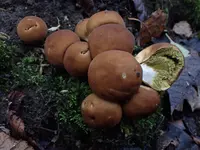
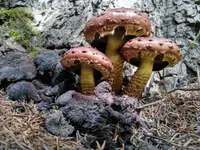
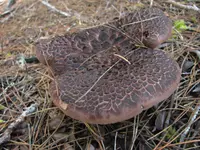
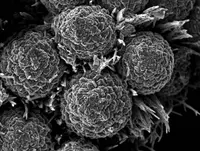
Scaly tooth, Sarcodon squamosus, is a terrestrial tooth fungus rather than a leafy plant. It produces thick, fleshy caps covered with coarse, brown scales and has soft spines instead of gills on the underside.

This species typically grows on the ground in coniferous forests, often associated with pine trees in temperate regions. It forms mycorrhizal partnerships, meaning it depends on a close relationship with tree roots, which makes it difficult to cultivate at home.

Because of this specialized ecology, those who wish to care for Scaly Tooth usually focus on conserving suitable woodland habitat rather than trying to grow it in pots or garden beds.

Main Plant Requirements

Care Difficulty

Hard Care

Light Preference

Partial Shade

Water Requirements

Keep Soil Moist

Temperature Preference

Cool Climate

Hardiness Zone

5–8

Soil Texture

Loamy, Sandy, Organic-rich

Soil pH

Strongly acidic (4.5–5.5), Acidic (5.5–6.5)

Soil Drainage

Moist but well-drained

Fertilization

Minimal (feed rarely)

Get Personalized Care Plan

Scan your plant to receive care tips personalized for your specific plant

Available on iOS and Android

How to Care for the Scaly Tooth

This forest fungus prefers cool, dappled light similar to conifer woodland conditions.

  • Provide bright shade or filtered light under trees, with only 1–3 hours of gentle morning sun and protection from strong midday and afternoon sun.
  • Site Sarcodon squamosus where it receives partial shade (about 60–80% canopy cover), mimicking natural conditions under pines or other conifers.
  • In summer, increase shade or use leaf litter and low understory plants to buffer intense light; in cooler months, slightly more open light is acceptable.

This mycorrhizal fungus needs consistently moist, not saturated, soil around its host tree roots.

  • Allow the top 2–5 cm of forest floor or soil to start drying between rains or supplemental watering, then moisten thoroughly without creating puddles.
  • Ensure excellent drainage with loose, well-aerated, acidic soil; standing water, sour smell, or slimy mycelium indicate overwatering stress.
  • In dry, hot periods, water less often but more deeply, watching for cracking soil or shriveling nearby moss as signs that Sarcodon squamosus may be drying out.

This species favors cool to mild conditions typical of temperate conifer forests.

  • Aim for 50–68°F (10–20°C) as the most favorable range for mycelial activity and fruiting body development.
  • It tolerates cool conditions down to about 32°F (0°C), but prolonged hard freezes below 23°F (-5°C) can damage developing fruiting bodies.
  • Heat above 77°F (25°C), especially with dry air, reduces growth; maintain shade, mulch, and soil moisture during hot spells to moderate temperature swings.

This fungus prefers cool, moist air, but humidity is rarely the main limiting factor outdoors.

  • Aim for 60–80% humidity in shaded, sheltered sites that mimic a humid forest floor.
  • It tolerates short dry spells but prolonged air below 40% combined with wind can dry the substrate and suppress fruiting.
  • If conditions are very dry, increase local humidity by using thick leaf mulch over the mycelium zone and reducing direct wind exposure.

Sarcodon squamosus grows best in cool, aerated, organic-rich forest soil with consistent moisture and strong drainage.

  • Use a loose mix based on decomposed conifer wood, pine needles, and coarse bark to mimic its natural mycorrhizal habitat.
  • Ensure rapid drainage with 30–50% coarse mineral material such as sand, fine gravel, or pumice to prevent stagnant water around the mycelium.
  • Keep pH on the acidic side, roughly pH 4.5–6, avoiding lime or alkaline amendments that can reduce fungal vigor.
  • Avoid compacted, clay-heavy, or fertiliser-rich substrates, which hold water too long and disrupt the fine root–fungus interface.

This species is generally unsuitable for long-term container growing and performs best in the ground in association with suitable trees.

This mycorrhizal fungus grows in nutrient-poor forest soils and usually does not need additional fertilizer when established outdoors.

Pruning is not a standard practice for Sarcodon squamosus, which fruits briefly and then decomposes naturally in forest habitats.

Transplanting is rarely suitable, since this fungus depends on stable mycorrhizal partnerships with tree roots.

  • Only consider moving a colony if a host tree must be relocated or soil will be disturbed by construction.
  • Plan work for cool, moist weather in autumn to limit stress and drying of the fungal mycelium network.
  • Transfer intact blocks of soil and fine roots, disturbing the structure as little as possible.
  • Keep the new site shaded, evenly moist, and undisturbed to support re-establishment of the underground mycelium.

Human propagation of this forest fungus is technically challenging and not commonly successful at home scale, so routine methods are rarely applied.

In its natural range this species is cold hardy and generally needs no targeted winter care when left in undisturbed woodland soil.

Care Tips

Substrate inoculation

Mix chopped pieces of fresh, healthy fruiting bodies and sterile sawdust spawn into a 2–5 cm layer of well-decomposed conifer wood chips to create a uniformly colonized bed rather than only placing material on the surface.

Conifer association

Establish or maintain young pine or spruce nearby, as this species is mycorrhizal and fruits more reliably when roots of suitable hosts are present within the same soil zone.

Moisture buffering

Apply a thin top layer of coarse conifer needles or fine bark over the colonized bed to buffer against short dry spells and reduce surface cracking that can damage developing fruiting bodies when growing Scaly Tooth.

Minimal disturbance

Avoid raking, digging, or compacting the soil above colonized zones, and harvest by cutting fruiting bodies at the base rather than pulling to protect the fungal mycelium and maintain future yields.

Seasonal monitoring

During late summer–autumn, monitor recent rainfall and soil moisture, then time foraging and observation 2–5 days after substantial rain events when fruiting likelihood is highest for this species.

Common Pests and Diseases

Mycophagous springtails

These insects feed on fungal tissue, including developing fruiting bodies, and can scar or distort the caps and spines. This pest is often most active in very moist, organic-rich substrates where the fungus grows.

Solution

Reduce excess surface moisture and improve drainage in cultivation beds, then disturb or lightly rake the top substrate layer to break up springtail habitat. In enclosed or intensive cultivation, sticky traps and targeted biological controls such as predatory mites can help reduce populations without disrupting the fungal mycelium.

Fungus gnat larvae

These insects develop in very moist organic matter and may feed on fine mycelium and young fruiting structures, causing poor or uneven development. Symptoms include soft, damaged tissue at the base of fruiting bodies and visible small black gnats around the substrate.

Solution

Allow the surface layer of the growing medium to dry slightly between waterings and avoid stagnant moisture. Use yellow sticky cards to monitor and trap adults, and if needed apply a Bacillus thuringiensis israelensis (BTI) product to the substrate to target larvae while preserving the main mycelial network.

Green mold (Trichoderma)

This disease appears as fast-spreading green patches on the substrate or at the base of fruiting bodies, competing aggressively with the mycelium and reducing or completely stopping fruiting. Symptoms include patchy, uneven growth and failure of fruiting bodies to mature.

Solution

Promptly remove and discard heavily colonized substrate or affected fruiting bodies, then improve hygiene by using clean tools and avoiding reuse of contaminated material. For future cycles, pasteurize or sterilize the substrate where feasible and maintain good airflow, moderate moisture, and stable temperatures to favor Sarcodon squamosus over Trichoderma.

Bacterial soft rot

This disease causes localized soft, water-soaked lesions on fruiting bodies, which may turn brown, collapse, and develop an unpleasant odor. Symptoms include slimy patches on caps or spines, often starting where water sits or where insects have caused small wounds.

Solution

Remove and discard affected fruiting bodies as soon as symptoms appear and avoid overhead watering or prolonged surface wetness. Improve air movement around the crop, irrigate at the base or through the substrate rather than over the top, and maintain clean tools and containers to limit bacterial spread.

Interesting Facts

Toothed cap underside

Instead of gills, this species has crowded, downward-pointing spines (teeth) under the cap that release spores, a hallmark of the hydnoid fungi group.

Conifer forest specialist

It typically forms mycorrhizal partnerships with conifers, especially pine and spruce, exchanging mineral nutrients for sugars in well-drained, often acidic forest soils.

Distinctive scaly surface

The cap surface develops coarse, dark, upturned scales on a paler background, giving it a rough, almost reptile-like texture that helps distinguish it from other tooth fungi.

FAQs about Scaly Tooth

This fungus is generally considered inedible due to its very bitter taste and tough texture. It is not known to be a desirable culinary species, and foragers usually leave it in place for ecosystem value.

Grow Healthy Plants with Botan Care

Keep your plants happy and healthy with plant identification, disease detection, and easy care guidance.

Botan plant care app — identify plants on mobile

Explore More Plants