Chalciporus Care (Chalciporus piperatoides)

Also known as: piperatoides
Chalciporus

About Chalciporus

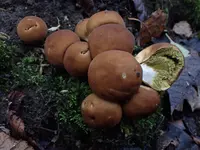
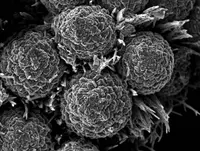
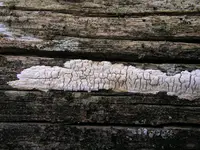
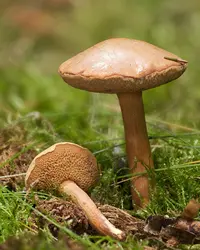
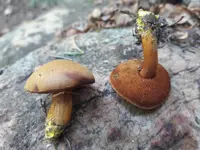
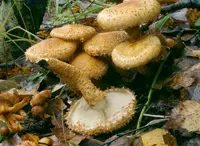
Chalciporus piperatoides is a small bolete-type fungus, often found on soil in forests rather than grown as a typical houseplant. It usually forms low, compact caps with pores instead of gills, in brown to reddish tones, supported by a short, sturdy stem. This species naturally occurs in woodland habitats, often associated with tree roots in mycorrhizal relationships, where fungus and tree exchange nutrients. Its growth depends on suitable host trees and undisturbed soil, which makes it difficult to cultivate intentionally. For those exploring how to care for Chalciporus in managed woodland or outdoor spaces, stable moisture, organic-rich soil, and shade are generally important.

Main Plant Requirements

Care Difficulty

Hard Care

Light Preference

Partial Shade

Water Requirements

Keep Soil Moist

Temperature Preference

Cool Climate

Hardiness Zone

Unknown

Soil Texture

Loamy, Sandy, Organic-rich

Soil pH

Acidic (5.5–6.5)

Soil Drainage

Moist but well-drained

Fertilization

Minimal (feed rarely)

Get Personalized Care Plan

Scan your plant to receive care tips personalized for your specific plant

Available on iOS and Android

How to Care for the Chalciporus

This mycorrhizal fungus prefers woodland light conditions that mimic dappled forest shade.

  • Provide bright, dappled shade under trees, with 2–4 hours of gentle morning sun and no harsh afternoon sun in open sites.
  • Allow partial shade or even high shade; consistent filtered light through tree canopies supports stable fruiting of Chalciporus colonies.
  • Avoid full, exposed sun that dries the forest floor; excessive light and heat reduce moisture, while deep, dense shade can limit mushroom production.

Moist but not waterlogged soil is critical for healthy mycelium development and fruiting.

  • Aim for consistently moist forest soil; the top 2–5 cm should feel slightly damp, never saturated or powder-dry.
  • Favor well-drained, humus-rich ground; standing water, sour smell, or slimy surface indicate overwatering and risk to Chalciporus piperatoides.
  • In dry periods, supplement rainfall with gentle soaking, then allow excess water to drain; cracked soil and slow cap formation suggest insufficient moisture.

This species fruits best in cool to mild conditions typical of temperate woodlands.

  • Optimal activity occurs around 55–70°F (13–21°C), with mycelium remaining functional slightly above and below this range.
  • Short exposures down to about 32°F (0°C) may be tolerated in soil, but hard, prolonged frost can damage fruiting bodies and slow recovery.
  • Temperatures above 80°F (27°C), especially combined with low humidity, can dry the upper soil layer; provide leaf litter or mulch to buffer heat swings.

Humidity plays little direct role for Chalciporus, which is an outdoor mycorrhizal fungus rather than a houseplant.

Chalciporus piperatoides relies on forming mycorrhizal associations in consistently moist, aerated forest soil rather than typical potting substrates.

  • Aim for a loose, humus-rich, loamy texture with abundant decayed leaf litter and small wood fragments to mimic natural forest floors.
  • Ensure rapid drainage by avoiding compaction; water should soak in quickly yet not pool on the surface for more than a few minutes.
  • Maintain slightly acidic conditions around pH 5.0–6.0, similar to conifer or mixed woodland soils rich in organic acids.
  • Improve aeration and structure by blending leaf mold, fine bark, and a small portion of coarse sand instead of dense clay-heavy mineral soil.

This species is not well suited to container growing because it depends on complex mycorrhizal relationships with tree roots in open soil.

This mycorrhizal fungus usually gains nutrients through its tree partner, so Chalciporus piperatoides needs no direct fertilization.

Pruning is not relevant for Chalciporus piperatoides, as it is a mycorrhizal mushroom rather than a woody or leafy plant.

This species is not suited to normal repotting, since it grows as a mycorrhizal fungus associated with tree roots in soil.

  • Transplant only when moving young host trees already colonized by the fungus, keeping as much native soil around the roots as possible.
  • Schedule any move during cool, moist conditions in spring or early fall to reduce stress on roots and fungal mycelium.
  • Avoid disturbing or washing roots; maintain the existing soil structure to preserve the Chalciporus partnership.
  • After transplanting, irrigate gently and keep soil evenly moist, not waterlogged, to support root and mycelial recovery.

Propagation of Chalciporus piperatoides is specialized and rarely attempted by home growers, as it depends on complex mycorrhizal relationships.

In its natural range this fungus overwinters in soil without special care, so outdoor colonies need essentially no winter attention.

  • Leave the leaf litter layer undisturbed to insulate the root zone where the mycelium resides.
  • Avoid deep soil cultivation near host trees in winter, which can damage the fungal network.
  • Container-grown host trees in cold regions should be moved to a sheltered, frost-free area to protect roots and mycelium.

Care Tips

Host tree pairing

Establish this ectomycorrhizal fungus near compatible host trees such as pines or other conifers, since its fruiting depends on forming a root partnership rather than on the substrate alone.

Minimal soil disturbance

Once a site is inoculated, avoid tilling, raking deeply, or compacting the soil around host trees, as disturbance can break the fine mycorrhizal network and reduce future fruiting bodies.

Leaf litter management

Maintain a thin, natural layer of leaf litter and conifer needles around the host roots to protect fungal mycelium from drying while still allowing air exchange, instead of using heavy wood-chip mulches.

Targeted inoculation method

To grow Chalciporus piperatoides, introduce spawn or colonized substrate into several shallow holes around young host trees rather than concentrating it in one spot, which increases the chance that some points will establish successfully.

Seasonal moisture check

During extended dry spells in the main fruiting season, check soil moisture 5–8 cm deep around host roots and apply a slow, gentle soak when it feels dry at that depth to support mycelial activity without waterlogging the area.

Common Pests and Diseases

Mycophagous springtails

These insects feed on fungal tissue in the substrate and can graze young fruiting bodies, leading to pitting, deformation, or aborted pins. This pest thrives in constantly wet, organic-rich substrates used for growing Chalciporus.

Solution

Reduce excess surface moisture by improving drainage and ventilation, and avoid overwatering the host planting or mushroom bed. If damage is significant, physically remove heavily affected fruiting bodies and, in contained setups, use fine mesh barriers and sticky traps to reduce adult numbers around the culture.

Fungus gnat larvae

This pest develops in moist, organic substrates and its larvae can tunnel into developing mushroom tissue, causing soft spots, collapse, or increased susceptibility to decay. Symptoms include small entry holes and rapid deterioration of caps and stems.

Solution

Allow the upper layer of the substrate or surrounding soil to dry slightly between irrigations while maintaining overall humidity for the host trees or plants. Use yellow sticky traps to capture adults and consider a biological control such as Bacillus thuringiensis israelensis in container or bed systems to limit larval populations.

Bacterial blotch

This disease affects fruiting bodies under stagnant, overly wet conditions, causing greasy-looking yellow to brown spots and soft, water-soaked patches on caps. Symptoms include rapid break‑down of affected tissue and reduced shelf life of harvested mushrooms.

Solution

Improve air movement and avoid prolonged surface wetness on caps by irrigating at the substrate level rather than overhead. Remove and discard affected mushrooms promptly, and in managed beds or cultivation setups, reduce crowding and maintain cleaner tools and containers to limit bacterial spread.

Mite feeding damage

This pest involves small mycophagous mites that feed on hyphae and developing fruiting bodies, leading to stunted or misshapen mushrooms and fine scarring on surfaces. This pest often builds up in poorly cleaned cultivation containers or long‑used outdoor beds with abundant organic debris.

Solution

Limit organic debris buildup by periodically refreshing or pasteurizing substrate in managed systems and cleaning containers thoroughly between cycles. If mites are visible and damage is ongoing, discard heavily infested substrate and, in enclosed setups, consider introducing predatory mites compatible with mushroom production to restore balance.

Interesting Facts

Peppery-tasting pores

This bolete has a distinctly peppery taste concentrated in its pore surface rather than in the flesh, which helps distinguish it from milder boletes when identified by experienced mycologists.

Symbiosis with pines

It forms ectomycorrhizal associations with pine roots, exchanging mineral nutrients and water for sugars from the tree, and is typically found in pine-dominated forests in parts of eastern Asia.

Rusty-brown spore print

The spore print of this species is characteristically rusty to brown, a key microscopic and macroscopic character that helps separate it from similar small, brownish boletes.

FAQs about Chalciporus

This mushroom is considered inedible due to its strong bitter, peppery taste and low culinary value. It is not known to be dangerously toxic, but consumption is discouraged because it can cause gastrointestinal discomfort in some people.

Grow Healthy Plants with Botan Care

Keep your plants happy and healthy with plant identification, disease detection, and easy care guidance.

Botan plant care app — identify plants on mobile

Explore More Plants