Firm Seedbed
Lightly press or roll the soil after sowing so the top 1–2 cm is firm, which promotes even germination and anchors roots in windy conditions.

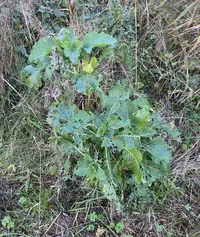
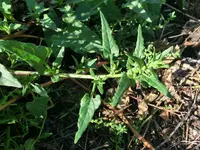
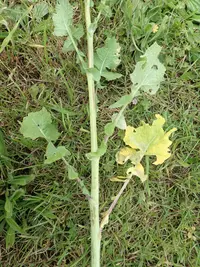
Brassica napus × rapa is a cultivated hybrid brassica grown mainly as a leafy and root vegetable, and sometimes as a fodder or cover crop. Plants usually form a rosette of broad, bluish green leaves and may develop swollen, pale roots depending on the selected variety.
It likely originated from hybridization between oilseed rape and related field brassicas in temperate regions. Modern forms are bred for vigor, fast growth, and reliable yields, which makes them relatively straightforward for gardeners who learn how to care for Brassica napus × rapa.
This hybrid prefers cool conditions, consistent moisture, and fertile, well-drained soil, and it grows best in open, bright locations rather than deep shade.

Care Difficulty
Moderate Care

Light Preference
Full Sun

Water Requirements
Regular Water

Temperature Preference
Cool Climate

Hardiness Zone
6–9

Soil Texture
Loamy, Silty, Organic-rich

Soil pH
Acidic (5.5–6.5), Slightly acidic (6.5–7.0)

Soil Drainage
Moist but well-drained

Fertilization
Moderate (every 2–4 weeks)
Scan your plant to receive care tips personalized for your specific plant
Available on iOS and Android
This crop performs best in cool, bright conditions with consistent direct light.
This plant prefers evenly moist, well-drained soil that never stays waterlogged.
This cool-season crop grows best in mild temperatures without extreme heat or hard frost.
This crop grows best in relatively dry to moderately humid air and rarely needs special humidity control.
Brassica napus × rapa prefers deep, loose, moist but well-drained mineral soil for reliable growth.
This species can be grown in containers if the pot is large enough and drainage is carefully managed.
This crop benefits from moderate feeding on fertile soil during its active growth.
Pruning is minimal and mainly supports plant health and harvest quality.
This plant is usually field-grown, so transplanting young starts is more relevant than repeated repotting.
Propagation is typically done from seed for uniform, predictable crops.
This cool-season crop is fairly cold tolerant but still benefits from light winter protection in harsh climates.

Plant Health Check
Not sure what's wrong with your plant? Check your plant's health inside the app.
This hybrid arose from intentional crossing of oilseed rape (Brassica napus) and turnip (Brassica rapa), combining traits such as improved cold tolerance from B. rapa with high oil yield potential from B. napus.
Many breeding programs use this hybrid to adjust seed oil composition, for example increasing oleic acid and reducing erucic acid, which can improve oil stability and make it more suitable for food and industrial uses.
Because it carries genomes from both parental species, this hybrid can act as a genetic bridge, allowing plant breeders to move useful traits like disease resistance or stress tolerance between otherwise less compatible Brassica crops and to grow Brassica napus × rapa lines better adapted to local conditions.

Inter-specific hybrids like Brassica napus × rapa have been used as model systems in plant genetics to study phenomena such as genome doubling (polyploidy), chromosome pairing, and gene expression changes that occur when two related species are combined into a single new lineage.
Yes, this hybrid is grown mainly as an edible crop. Depending on the line, leaves, roots, or seeds may be used for vegetables, animal feed, or oil production. Always confirm variety and avoid plants exposed to contaminants.
Keep your plants happy and healthy with plant identification, disease detection, and easy care guidance.