chinese-white-cabbage Care (Brassica rapa var. chinensis)

Also known as: pak-choi

About chinese-white-cabbage

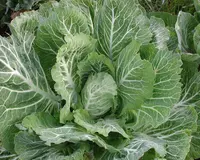
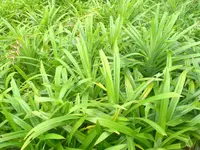
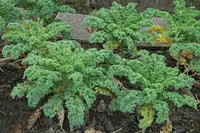
Chinese white cabbage, usually known as pak choi or bok choy, is a leafy vegetable form of Brassica rapa var. chinensis. It forms loose heads of smooth, spoon-shaped leaves with thick, pale petioles and a compact, upright growth habit.

This plant originates from East Asia and is now widely grown in both field plots and home gardens for its mild, crisp leaves and tender stems. It grows quickly, prefers cool conditions, and tends to bolt in heat, which is the main factor that can make it slightly more challenging in warm climates.

In general, it prefers consistent moisture, fertile well-drained soil, and cool, bright conditions, which are the key points in learning how to care for chinese-white-cabbage.

Main Plant Requirements

Care Difficulty

Moderate Care

Light Preference

Full Sun

Water Requirements

Keep Soil Moist

Temperature Preference

Cool Climate

Hardiness Zone

4–9

Soil Texture

Loamy, Silty, Organic-rich

Soil pH

Acidic (5.5–6.5), Slightly acidic (6.5–7.0)

Soil Drainage

Moist but well-drained

Fertilization

Moderate (every 2–4 weeks)

Get Personalized Care Plan

Scan your plant to receive care tips personalized for your specific plant

Available on iOS and Android

How to Care for the chinese-white-cabbage

This cool-season leafy vegetable grows best in consistent, moderate sun without harsh extremes.

  • Provide 4–6 hours of direct morning sun with light afternoon shade; in hot regions, use filtered light after 1–2 p.m. to prevent leaf scorch and bolting.
  • Tolerates partial shade, especially in summer; 3–4 hours of sun plus bright open shade can still produce tender heads of chinese-white-cabbage.
  • In spring and fall, allow more direct sun to speed growth, but monitor for pale, leggy plants as a sign that light levels are too low.

This plant prefers evenly moist, well-drained soil that never stays soggy or bone dry for long.

  • Water when the top 2–3 cm of soil feel dry, aiming for consistent moisture around the root zone rather than strict calendar schedules.
  • Use loose, well-draining soil or raised beds so excess water can escape; yellowing, limp leaves and sour-smelling soil indicate overwatering.
  • In hotter periods or windy sites, expect to water more often, watching for dull, slightly wilted outer leaves as an early sign the plant needs moisture.

This cool-weather crop thrives in mild conditions and struggles with both hard frost and strong heat.

  • Optimal growth occurs around 55–70°F (13–21°C), which supports steady leaf production and firm, tender stems.
  • Plants tolerate brief dips to about 28–30°F (-2 to -1°C) under row covers, but repeated hard frosts can damage outer leaves and slow regrowth.
  • In warm spells above 80–85°F (27–29°C), growth may stall and bolting risk rises, so use shade cloth and consistent moisture to limit heat stress.

This leafy crop tolerates a wide humidity range and rarely needs special humidity management outdoors.

  • Aim for 40–60% humidity; typical outdoor conditions in most temperate regions are sufficient.
  • Dry air rarely harms plants, but prolonged hot, arid wind can speed wilting and tip-burn.
  • If growing chinese-white-cabbage in very dry, windy spots, use windbreaks or light shade cloth to reduce moisture loss.

Soil should be loose, moist, and nutrient-rich to support fast leaf growth.

  • Use a loamy, organic-rich soil that crumbles easily in the hand, avoiding dense clay that compacts around roots.
  • Target a slightly acidic to neutral pH of 6.0–7.0 for Brassica rapa var. chinensis to optimize nutrient availability.
  • Blend garden soil with 25–40% compost plus some coarse sand to improve both fertility and drainage.
  • In heavy ground, create raised rows or beds to improve aeration and prevent waterlogging that encourages root and stem rots.

This species is well suited to container growing for compact, tender harvests.

  • Choose a container at least 20–25 cm deep so roots can spread downward and leaves remain sturdy rather than stunted.
  • Use a wide, stable pot to prevent tipping as plants become top-heavy with mature foliage.
  • Select a slightly porous material such as unglazed clay if overwatering is a risk, as it allows faster moisture loss from the root zone.

Brassica rapa var. chinensis responds well to steady nutrition for fast, leafy growth.

  • Use a balanced soluble fertilizer, such as 10-10-10, diluted to 1/2 strength every 10–14 days during active growth.
  • In garden beds, incorporate mature compost before planting to support growing chinese-white-cabbage and reduce synthetic fertilizer needs.
  • For containers, mix in a slow-release vegetable fertilizer at planting, following label rates to avoid overfeeding.
  • Reduce or stop feeding in winter or during hot-weather bolting, when growth slows and nutrient demand drops.

Pruning Brassica rapa var. chinensis focuses on hygiene and harvest rather than shaping.

  • Harvest outer leaves with clean scissors or a sharp knife, cutting just above the crown to encourage new inner growth.
  • Remove yellowing, torn, or pest-damaged leaves promptly to lower disease risk and improve airflow around plants.
  • Thin crowded seedlings to the recommended spacing in early growth, cutting extras at soil level to avoid disturbing roots.
  • Before cutting, disinfect tools with alcohol to limit spread of fungal and bacterial problems between plants.

This leafy vegetable is usually transplanted once into its final bed or container for quick cropping.

  • Start seeds in trays or plugs, then transplant seedlings at 3–4 true leaves, once frost danger has passed and soil is workable.
  • Shift rootbound or slow-growing container plants when roots circle the pot, moving to a container 2–5 cm wider with drainage holes.
  • Transplant Brassica rapa var. chinensis on a cool, overcast day, handling roots gently and planting at the same depth as in the starter cell.
  • Water thoroughly after transplanting and provide light shade or row cover for 2–3 days to limit transplant shock and wilting.

New Brassica rapa var. chinensis plants are most commonly raised from seed for uniform, rapid crops.

  • Sow seeds indoors or under cover 4–6 weeks before the last frost, or direct-sow outdoors in early spring or late summer.
  • Provide cool conditions of 55–70°F, consistent moisture, and fine, well-drained seed-starting mix for fast germination.
  • Cover seeds lightly, about 0.5–1 cm deep, and keep the surface evenly moist but not waterlogged until seedlings emerge.
  • Once seedlings have 2–3 true leaves, thin or pot on to achieve proper spacing and reduce competition for light and nutrients.

This cool-season crop tolerates light frost but benefits from simple winter protection in colder regions.

  • Mature plants often survive brief dips to around 25–28°F, but prolonged hard freezes can damage leaves and crowns.
  • Apply a 2–5 cm layer of straw or shredded leaves around the base to moderate soil temperature and moisture.
  • Use row covers, cold frames, or unheated greenhouses to buffer wind and extreme cold while allowing light penetration.
  • Move container-grown plants into a sheltered spot, such as an unheated garage or porch, when severe freezes are forecast.

Care Tips

Staggered Succession Sowing

Sow small batches every 10–14 days instead of one large planting so harvests stay tender and you avoid a sudden glut or many plants bolting at once.

Shade Net Against Bolting

In warm or sunny periods, install 30–40% shade cloth over the bed to reduce heat stress and delay premature flowering, which keeps leaves mild and usable longer.

Row Covers For Pests

Place fine insect mesh or floating row covers over plants immediately after sowing or transplanting to exclude cabbage moths, flea beetles, and aphids without relying only on sprays.

Dense Spacing For Baby Leaves

For baby-leaf harvests, sow more densely and cut outer leaves or entire rosettes with clean scissors, which encourages quick regrowth and makes growing chinese-white-cabbage efficient in small spaces.

Rapid Cooling After Harvest

Harvest in the early morning, rinse quickly in cool water, and refrigerate promptly to slow wilting and preserve vitamin content and crisp texture.

Common Pests and Diseases

Flea beetles

These insects chew many tiny round holes in young leaves, often giving them a shot‑hole or lace‑like appearance and slowing growth.

Solution

Protect seedlings and small plants with floating row covers, reduce nearby weeds in the mustard and brassica family, and use yellow sticky traps to monitor populations; in home gardens, insecticidal soap or neem oil sprayed on leaf surfaces in the early morning can help reduce feeding on tender foliage.

Cabbage aphids

These insects cluster on undersides of leaves and in inner folds, appearing as gray‑green colonies that cause curling, distortion, and sticky honeydew on plants.

Solution

Spray plants with a firm stream of water to knock aphids off, remove heavily infested leaves, and encourage natural predators like lady beetles; if needed, apply insecticidal soap or horticultural oil, coating leaf undersides thoroughly and repeating at 5–7 day intervals as new aphids hatch.

Clubroot

This disease causes swollen, distorted roots, stunted growth, and wilting during warm parts of the day despite adequate moisture.

Solution

Remove and discard affected plants and as much surrounding soil as practical, avoid planting any brassicas in that bed for at least 4–7 years, improve drainage, and keep soil pH closer to 7.0–7.2 by liming; using clean transplants and good crop rotation greatly reduces future infections and supports Brassica rapa var. chinensis plant care.

Downy mildew

This disease produces yellow to pale patches on upper leaf surfaces with gray‑white fuzzy growth underneath, especially in cool, humid weather.

Solution

Space plants for better airflow, water at soil level rather than overhead, and remove affected leaves; in persistent cases, apply a copper‑based or other labeled foliar fungicide during cool, damp periods, following instructions and avoiding harvest immediately after spraying if the label requires a waiting interval.

Black rot

This disease starts as V‑shaped yellow lesions at the leaf edges that progress inward with darkened veins, leading to leaf drop and poor head or leaf development.

Solution

Remove and discard infected plants, avoid overhead watering that keeps foliage wet for long periods, and use only clean seed or transplants; rotate brassicas to new beds for at least 3–4 years and disinfect tools that touched infected plants to limit spread through water and handling.

Interesting Facts

Origin and domestication

This leafy vegetable likely originated in China and has been cultivated there for over 1,000 years, leading to many regionally distinct forms such as Shanghai bok choy and Canton bok choy.

Non-heading leaf form

Unlike heading cabbages, it forms an open rosette of smooth leaves with thick, juicy petioles, a growth habit that allows rapid regrowth after cutting and makes it well suited to multiple harvests.

Cold-tolerant growth

The plant is relatively tolerant of cool conditions compared with many leafy vegetables and can continue growing at lower temperatures, which extends its harvest season in temperate climates.

Botan icon

Did you know?

In Chinese cuisine and agriculture, different local types of this plant are distinguished not only by size and color but also by subtle textural and flavor differences, so market names like bok choy, pak choi, and tatsoi in English often group several traditional landraces that farmers in East Asia recognize as distinct.

FAQs about chinese-white-cabbage

Yes, this species is fully edible and widely used as a leafy vegetable. Leaves, tender stems, and young flowering shoots are eaten raw, stir-fried, steamed, or added to soups, hotpots, and noodle dishes.

Grow Healthy Plants with Botan Care

Keep your plants happy and healthy with plant identification, disease detection, and easy care guidance.

Botan plant care app — identify plants on mobile

Explore More Plants