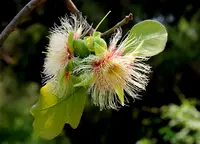
acacia Care (Acacia ligulata)

Also known as: Dune Wattle, Umbrella Wattle, Sandhill Wattle
acacia

About acacia

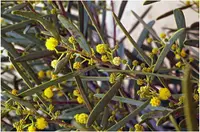
Acacia ligulata, often called umbrella wattle, is a drought-tolerant shrub or small tree native to arid and semi-arid regions of inland Australia. It typically forms a dense, rounded crown with slender branches and narrow, leaf-like phyllodes that give it a fine-textured look.

In the right conditions it produces small, yellow, ball-shaped flower clusters along the stems, followed by narrow seed pods. This species is adapted to poor, sandy or rocky soils and is valued for stabilizing dry landscapes.

Its strong tolerance to heat, sun, and low moisture makes it relatively easy to grow in dry climates, but less suitable for very wet or humid areas. Understanding how to care for acacia in similar conditions to its native habitat is the key to long-term success.

Main Plant Requirements

Care Difficulty

Easy Care

Light Preference

Full Sun

Water Requirements

Low Water

Temperature Preference

Warm Climate

Hardiness Zone

9–11

Soil Texture

Sandy, Loamy, Rocky

Soil pH

Slightly acidic (6.5–7.0), Slightly alkaline (7.0–7.5)

Soil Drainage

Well-drained

Fertilization

Minimal (feed rarely)

Get Personalized Care Plan

Scan your plant to receive care tips personalized for your specific plant

Available on iOS and Android

How to Care for the acacia

This desert shrub prefers strong, direct sun but can adapt to slightly lower light in mild climates.

  • Provide 6–8 hours of full sun daily; open, unshaded positions suit this species best for compact, healthy growth.
  • In hot inland areas, light morning sun with some protection from harsh late-afternoon sun reduces leaf scorch on young plants.
  • It tolerates light partial shade for a few hours, but prolonged shade causes sparse, leggy growth and fewer flowers.

This species is drought-adapted and prefers infrequent, deep watering once established.

  • Allow the top 5–8 cm of soil to dry fully before watering; in very sandy soil, this may happen faster after hot, dry weather.
  • In the first 1–2 growing seasons, water deeply when foliage starts to look slightly dull or leaves feel less firm, then let soil dry again.
  • Ensure sharply draining soil or a slope to prevent standing water; persistent wetness, yellowing leaves, or stem softening indicate overwatering.

This arid-zone shrub thrives in warm to hot climates with mild winters.

  • Optimal growth occurs around 70–90°F (21–32°C), especially during the active spring and summer period.
  • Mature plants tolerate brief drops to about 25°F (−4°C), but repeated frosts below 28°F (−2°C) can damage young shoots and flowers.
  • It handles dry heat up to about 100–105°F (38–41°C) if soil is not waterlogged, but prolonged cold, wet conditions increase root stress.

This arid-adapted shrub tolerates low humidity and usually needs no special humidity management.

  • Ideal range is 20–40% relative humidity, matching its native dry habitats.
  • Dry indoor air is rarely a problem; root health and drainage matter more than air moisture for this species.
  • Only extreme, prolonged humidity above 70% may promote fungal issues, seen as black spotting or dieback on young shoots.

Acacia ligulata prefers very well-drained, sandy or gravelly soil that mimics dry scrub habitats.

  • Use a gritty mix such as 50% coarse sand or fine gravel, 30% loam, 20% low-nutrient compost or leaf mold for structure.
  • Ensure rapid drainage; water should pass through in seconds, leaving soil slightly moist but never saturated.
  • Aim for slightly acidic to neutral pH around 6.0–7.0, avoiding strongly acidic or alkaline extremes that reduce nutrient availability.
  • Improve aeration and prevent compaction by including coarse mineral particles and avoiding peat-heavy, water-retentive potting mixes.

This species can be grown in containers short term, but needs careful management to prevent root problems and instability.

  • Choose a deep, heavy pot that anchors the shrub against wind, as its branching canopy can become top-heavy.
  • Select a mineral-based mix that dries quickly, since slow-drying organic mixes increase risk of root rot in confined spaces.
  • Raise the container slightly on feet or blocks so drainage holes remain clear and excess water escapes rapidly after rain or irrigation.

This desert-adapted shrub usually needs minimal feeding, especially in the ground.

  • Use a light application of slow-release, low-phosphorus, balanced NPK fertilizer or well-aged compost in early spring for container acacia.
  • Feed every 8–10 weeks only during active growth, stopping by late summer to avoid soft, frost-sensitive growth.
  • Apply at 1/2–1/4 the label strength and water deeply afterward to limit salt buildup in the root zone.

Pruning Acacia ligulata is mainly corrective and helps maintain a stable, open shrub form.

  • Prune in late winter or very early spring before strong new growth begins.
  • Use clean, sharp bypass pruners to remove dead, diseased, or storm-damaged branches at their base.
  • Thin crowded interior shoots to improve light penetration and airflow, keeping the natural outline.
  • Limit cutting into thick old wood, as this can reduce flowering and slow regrowth.

This species is most often grown in the ground and dislikes frequent disturbance of its root system.

  • Transplant young plants in late winter or early spring when soil is moist and temperatures are mild.
  • Look for roots circling the pot, water running straight through, or stalled growth as signs a container plant needs a larger pot.
  • Shift up only 1 pot size, keeping the root ball intact, and backfill with a very free-draining, sandy mix.
  • Water thoroughly, then keep soil barely moist for several weeks and provide light shade to reduce transplant shock.

Propagation is usually done from seed, which suits the natural biology of this arid-zone shrub.

  • Collect ripe seeds in late summer to autumn and store dry until sowing.
  • Scarify hard seed coats by nicking with a blade or soaking in just-boiled, cooling water for 12–24 hours.
  • Sow in a warm position (68–77°F) in a sharply drained, sandy mix and keep lightly moist, not wet.
  • Provide bright light and good air movement for seedlings, then pot on gently once roots fill the starter cells.

This warm-climate shrub has low frost tolerance and benefits from simple winter protection in cooler regions.

  • In-ground plants in marginal climates need a 5–8 cm mulch layer over the root zone, kept slightly away from the stem.
  • Shelter from cold, drying winds using a fence or temporary windbreak to reduce leaf and stem damage.
  • Move container plants indoors or into an unheated greenhouse before temperatures fall consistently below 32°F.
  • Ensure winter containers have excellent drainage and avoid waterlogged soil, which increases cold injury to roots.

Care Tips

Encourage deep roots

During the first 1–2 years, give fewer but deeper soakings and space them out, so the root system grows downward and outward rather than staying shallow near the surface.

Wind-hardening young plants

In open, windy sites, use low temporary stakes and very loose ties, then gradually remove support over 1–2 seasons so the stems flex and strengthen instead of becoming stake-dependent.

Mulch with gravel

Apply a 2–5 cm layer of coarse gravel or crushed rock around, but not touching, the stem to suppress weeds, keep the root zone cooler, and avoid holding excess moisture against the crown.

Minimize transplant shock

When moving plants from containers, handle the root ball gently, keep as much native soil as possible around it, water once after planting, then allow the soil surface to dry before the next irrigation to help them establish quickly when you grow Acacia ligulata.

Limit nitrogen nearby

Avoid planting heavy feeders or using high-nitrogen fertilizers close to this nitrogen-fixing shrub, as excess nitrogen can lead to weak, sappy growth and reduced stress tolerance.

Common Pests and Diseases

Scale insects

This pest feeds on sap along young stems and leaves, often appearing as small, hard bumps and causing leaf yellowing and decline in vigor.

Solution

Prune out heavily infested twigs, then wipe remaining colonies with a cloth dipped in diluted insecticidal soap or horticultural oil, ensuring full coverage of stems and leaf undersides; repeat every 7–10 days until new growth appears clean and monitor stressed plants more frequently when growing acacia in dry, warm climates.

Psyllids

These insects, often called lerp or plant lice, suck sap from tender foliage and may produce white, waxy coverings and distorted new growth.

Solution

Hose down foliage to dislodge nymphs, remove and dispose of heavily affected shoots, and use a low-toxicity insecticidal soap or horticultural oil on undersides of leaves, repeating applications during active growth if fresh honeydew or distortion is seen.

Gall rust

This disease, caused by rust fungi, produces swollen galls or cankers on stems and branches, which can weaken the plant and lead to dieback.

Solution

Prune out galls and infected branches at least 10–15 cm below visible symptoms, disinfect pruning tools between cuts with alcohol, and dispose of infected material in the trash while maintaining good spacing and airflow around plants to reduce humidity on stems.

Leaf blight

Symptoms include brown or tan leaf spots that can merge into larger blighted areas, sometimes leading to premature leaf drop during humid or unusually wet periods.

Solution

Remove and discard fallen and badly affected leaves, improve air circulation by light pruning of congested branches, avoid overhead watering, and, in persistent wet conditions, consider a targeted copper-based fungicide applied according to label directions at the first sign of new spotting.

Mistletoe infestation

This parasitic plant attaches to branches, forming dense clumps that steal water and nutrients, gradually weakening the host and increasing branch dieback.

Solution

Cut out mistletoe by pruning back the affected branch to healthy wood, rather than just removing the visible clump, and monitor the plant annually so any new infestations are removed while still small, which supports long-term Acacia ligulata plant care in dry regions.

Interesting Facts

Desert chenopod mimic

The narrow, grey-green phyllodes of this species closely resemble the leaves of chenopod shrubs such as saltbush, helping it blend visually into arid shrublands where both groups co-occur.

Key sand dune stabilizer

This shrub is a characteristic component of arid inland dune systems in central Australia, where its deep root system and dense branching structure help bind loose sands and reduce wind erosion.

Specialist arid-zone pods

Its woody, curved seed pods mature at the hottest, driest time of year, and the hard seed coat allows seeds to persist in the soil until rare rainfall events trigger germination.

Botan icon

Did you know?

Acacia ligulata often forms dense, nearly monospecific stands after fire or major disturbance in central Australian deserts, creating important habitat structure for small mammals, reptiles, and birds that depend on its thickets for shelter and nesting sites.

FAQs about acacia

Yellowing leaves usually result from water stress, root problems, or nutrient imbalance. Check drainage first, then watering frequency. Inspect roots for rot and consider a light, low-phosphorus native plant fertilizer if the soil is very poor.

Grow Healthy Plants with Botan Care

Keep your plants happy and healthy with plant identification, disease detection, and easy care guidance.

Botan plant care app — identify plants on mobile

Explore More Plants