


acacia (Acacia ligulata) Light Needs

acacia grows best in full sun, with at least 6 hours of direct light on most days.

Light Preference

Full Sun

Acacia ligulata Light Requirements

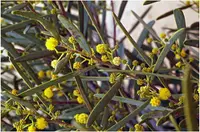
Acacia ligulata is native to inland Australia, where it grows in arid and semi-arid shrublands, dunes, and open sandy sites. These habitats have intense sunlight, low overhead shade, and long dry seasons, so the plant is adapted to open exposure rather than dim conditions.

In cultivation outdoors, similar brightness supports dense growth and normal flowering. Preferred light is full sun.

  • Ideal exposure:

    Acacia ligulata needs about 6–8 hours of full sun daily, with at least 6 hours as direct sun when grown outdoors.

  • Direct sun:

    Established plants tolerate full-day sun well, including hot afternoon exposure in open sites.

  • Part sun:

    Part sun is tolerated, but growth is usually less dense and flowering may be reduced.

  • Shade risk:

    Deep shade is unsuitable because it limits sturdy growth and creates a sparse, stretched shape.

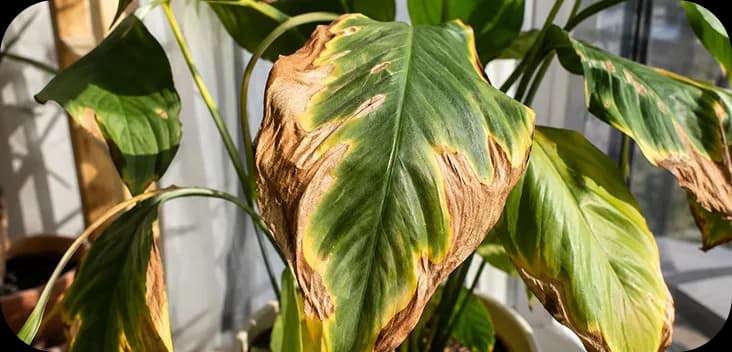
Strong sun is usually tolerated, but abrupt exposure can cause stress.

Bleached patches:

Pale tan or whitish areas may appear on the sun-facing side after a sudden move into harsher light.

Scorched phyllodes:

The narrow leaf-like phyllodes can develop dry, papery marks where afternoon sun is intensified by heat or reflected surfaces.

One-sided damage:

Marks that appear mostly on the west or south-facing side often point to light exposure rather than general decline.

Tip crisping:

New shoot tips may dry after a heat spike if the plant was not acclimated to stronger sun.

Shift the plant to a site with gentler morning sun or light afternoon filtering. Reintroduce full sun over 1–2 weeks.

Too little light shows first in the shape of new growth.

  • Stretched stems:

    Shoots may lengthen quickly with wider gaps between leaves, creating a loose shape instead of dense branching.

  • Leaning growth:

    Stems often angle toward the brightest opening when nearby shade blocks direct sun for much of the day.

  • Small new growth:

    New leaves and shoots may stay smaller and softer when light is below the plant’s normal outdoor range.

  • Few flowers:

    Flowering can be reduced or delayed if the plant receives only short periods of sun during the growing season.

  • Slow spring growth:

    Active-season growth may remain weak even in warm weather when the site is too shaded.

Move it toward unobstructed full sun, increasing exposure over several days if it has been shaded. Avoid using deep shade as a long-term placement.

When full-day sun is not available, choose the brightest outdoor position with at least 4–6 hours of direct sun; morning sun is the safer compromise in hot sites.

For container plants, turn the pot every 2–3 weeks so growth stays even and no side remains shaded.

Deep shade beside walls or under dense cover is unsuitable because it produces weak, open growth.

Get Personalized Care Plan

Scan your plant to receive care tips personalized for your specific plant

FAQ

The acacia sunlight requirements are full sun, ideally about 6–8 hours of bright outdoor light daily. Strong direct exposure supports compact growth and better flowering in suitable climates.

Everything About acacia

More Plant Light Guides

Get the Botan App

Discover how to care for your plants with Botan.

Botan app identifying a plant with a phone camera
Best Fertilizer for Grass in Summer: How to Choose the Right One

6 min read · 18 Aug 2026

Best Fertilizer for Grass in Summer: How to Choose the Right One

The right fertilizer in summer can make a lawn thrive. The wrong one can damage it. Here, you’ll learn the best NPK ratios by grass type, when and how to apply your formula, and how to recognize the signs of over- or under-fertilizing.

Plant Care
Best Fertilizer for Grass in Summer: How to Choose the Right One
Thorny Plants: A Comprehensive Guide

10 min read · 25 Aug 2026

Thorny Plants: A Comprehensive Guide

Many plants defend themselves with sharp thorns. This guide explores over 20 examples among flowers, shrubs, trees, and vines. You'll learn what each plant looks like, why it grows thorns, and how to quickly identify them.

Plant Recommendations
Thorny Plants: A Comprehensive Guide
How to Tell if a Plant Is Dead

6 min read · 19 Aug 2026

How to Tell if a Plant Is Dead

A plant can lose its leaves, stop growing, or collapse and still remain alive. A closer look at the stems, roots, bulbs, and tubers can show whether the plant still has a chance to recover.

Beginner Guides
How to Tell if a Plant Is Dead