

Kanjiro Camellia (Camellia sasanqua) Light Needs

Kanjiro Camellia grows best in partial sun or bright filtered light, with protection from harsh afternoon sun.

Light Preference

Partial Shade

Camellia sasanqua Light Requirements

Camellia sasanqua is native to warm, humid parts of Japan, where it grows in woodland edges, open slopes, and thickets with shifting sun and filtered shade. In cultivation, this background explains its flexibility: it can handle brighter exposure than many shade shrubs, but foliage and flower buds perform best when protected from the hottest afternoon sun. Preferred light is partial sun to filtered light.

  • Ideal exposure:

    Kanjiro Camellia needs about 6–8 hours of bright filtered or partial sun daily, including about 2–4 hours of gentle direct morning sun.

  • Full sun tolerance:

    Established outdoor plants can tolerate full sun where heat is moderate, but intense afternoon sun can scorch leaves and stress flower buds.

  • Light shade:

    Light shade is tolerated, especially in hot climates, but deep shade usually reduces flowering and creates looser growth.

  • Morning sun:

    Morning sun with afternoon shade is the safest balance for strong growth and clean foliage.

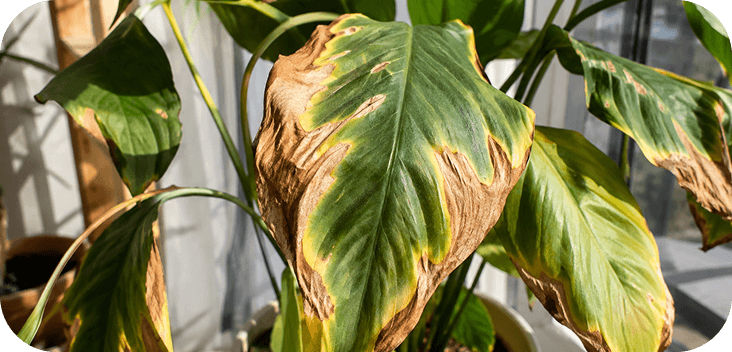
Excess light usually appears after hot, direct afternoon exposure.

Leaf scorch:

Pale tan or brown patches may form on the sun-facing side of older leaves after sudden exposure.

Dull foliage:

Glossy green leaves can look washed out or gray-green when light and heat are stronger than the plant can use.

Bud stress:

Flower buds may dry or open poorly when bright sun is paired with hot, exposed conditions.

One-sided damage:

Damage often appears on the outer or upper canopy, while shaded inner leaves remain greener.

Move the plant to partial sun or add afternoon shade. Make changes gradually if Camellia sasanqua has been growing in shade.

Low light mainly affects shape and flowering. It may still stay green while growth quality declines.

  • Sparse flowering:

    Fewer buds form when the plant receives shade for most of the day, especially during the bud-building season.

  • Loose growth:

    New stems may stretch toward the brightest side, creating wider spacing between leaves and a thinner outline.

  • Small new leaves:

    Fresh growth can emerge smaller when available light is too weak to support normal development.

  • Leaning canopy:

    Branches may angle toward open sky or a brighter exposure instead of growing evenly.

Shift it to brighter filtered light or morning sun. Avoid moving Camellia sasanqua straight from deep shade into hot afternoon sun.

If ideal partial sun is not available, choose morning sun over afternoon sun. A bright site with open sky and light midday shade is a better compromise than a hot, exposed wall.

Move containers a few feet toward brighter open light, or reduce artificial shade, to improve flowering without adding harsh heat.

Deep shade is a poor setup because it may keep leaves green while limiting buds and creating loose growth.

Get Personalized Care Plan

Scan your plant to receive care tips personalized for your specific plant

FAQ

The best light for Kanjiro Camellia is partial sun or bright filtered light, with several hours of morning sun and protection from harsh afternoon exposure in warm areas.

More Plant Light Guides

Get the Botan App

Discover how to care for your plants with Botan.

Botan app identifying a plant with a phone camera
Best Fertilizer for Vegetable Gardens – What to Use for Each Plant

11 min read · 20 Jul 2026

Best Fertilizer for Vegetable Gardens – What to Use for Each Plant

Here, you’ll find the right fertilizer formula for vegetables in your garden. Learn how to adjust feeding correctly throughout the growing cycle, spot nutrient deficiencies by their symptoms, and keep your plants healthy and prolific.

Plant Recommendations
Best Fertilizer for Vegetable Gardens – What to Use for Each Plant
Banana Peel Water for Plants: 5 Things to Know Before Trying It

5 min read · 9 Jul 2026

Banana Peel Water for Plants: 5 Things to Know Before Trying It

Banana water can provide potassium and some nutrients that may support plant growth, but it is not a universal fix. Use it carefully and only when the plant actually shows signs of nutrient deficiency rather than as a routine treatment.

Plant Care
Banana Peel Water for Plants: 5 Things to Know Before Trying It
What Plants Don't Like Epsom Salt?

11 min read · 29 Jul 2026

What Plants Don't Like Epsom Salt?

Learn which plants can be seriously damaged by Epsom salt and which will thrive on it. We’ll explain when and how to use it properly, provide tips for indoor & outdoor plants — read on and enjoy a healthy garden.

Plant Care
What Plants Don't Like Epsom Salt?