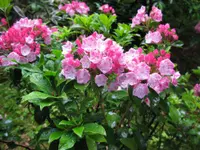


Mountain laurel (Kalmia latifolia) Light Needs

Mountain laurel grows best in partial shade, with bright filtered light and some gentle direct sun.

Light Preference

Partial Shade

Kalmia latifolia Light Requirements

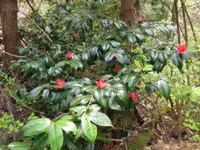
Mountain laurel is native to eastern North America, where it grows along woodland edges, rocky slopes, thickets, and open woods. In these habitats, plants may receive morning sun, broken overhead light, or shade from taller vegetation, with brighter conditions during leafless seasons. Cultivated plants follow the same pattern: they tolerate sun or shade, but the preferred light is bright partial shade.

  • Ideal exposure:

    Mountain laurel needs about 4–6 hours of bright filtered light daily, including 2–4 hours of gentle direct morning sun.

  • Full sun tolerance:

    Full sun is tolerated best in cooler sites or where afternoon heat is limited.

  • Afternoon risk:

    Strong afternoon sun can scorch leaves, especially after a sudden move from shade.

  • Lower light:

    Open shade is tolerated, but dense shade usually reduces flowering and makes growth looser.

  • Winter exposure:

    Winter sun is usually less risky, but exposed winter sites can still cause leaf scorch during bright, dry weather.

Excess light is most likely in hot, exposed sites.

Leaf scorch:

Brown or tan patches may appear on upper leaves that face the strongest afternoon sun.

Bleached foliage:

Leaves can look pale, dull, or washed out after repeated bright exposure.

Crisp new growth:

Tender shoot tips may dry or curl when a shaded plant is moved into full sun too quickly.

Uneven damage:

Sun-facing branches often show more injury than shaded inner growth, which helps separate light stress from general decline.

Shift Kalmia latifolia to bright partial shade, or add light afternoon protection. Keep the change gradual if the plant has been in deep shade.

Too little light usually shows as weak growth and poor flowering. It is most noticeable during the active growing season.

  • Sparse flowering:

    Flower buds may be fewer, and bloom display may be reduced in very shaded sites.

  • Wider spacing:

    New shoots may look stretched, with wider spaces between leaves and a more open shape.

  • Leaning growth:

    Branches may angle toward the brightest side of the planting area.

  • Small new leaves:

    New foliage may stay smaller when the plant receives only dim shade.

  • Limited growth:

    Growth may remain limited despite suitable temperatures during spring and early summer.

Move it to brighter filtered light or a site with morning sun. Avoid shifting directly from deep shade into hot afternoon sun.

If ideal partial shade is not available, choose morning sun with afternoon protection rather than all-day deep shade. This gives enough light for bud formation while limiting leaf scorch.

Prune or thin nearby overhead growth only enough to let broken light reach the shrub. Rotate container-grown specimens seasonally if one side receives much stronger light.

A fully exposed, heat-reflecting wall is a poor setup because it increases afternoon sun intensity and leaf stress.

Get Personalized Care Plan

Scan your plant to receive care tips personalized for your specific plant

FAQ

It does best in partial shade, with bright filtered light and a few hours of gentle morning sun. Deep shade is tolerated, but flowering is usually lighter.

More Plant Light Guides

Get the Botan App

Discover how to care for your plants with Botan.

Botan app identifying a plant with a phone camera
What Plants Don't Like Epsom Salt?

11 min read · 29 Jul 2026

What Plants Don't Like Epsom Salt?

Learn which plants can be seriously damaged by Epsom salt and which will thrive on it. We’ll explain when and how to use it properly, provide tips for indoor & outdoor plants — read on and enjoy a healthy garden.

Plant Care

What Plants Don't Like Epsom Salt?
How Fast Does Bamboo Grow Per Day, Month, and Year

10 min read · 7 Jul 2026

How Fast Does Bamboo Grow Per Day, Month, and Year

Bamboo grows extremely fast: some species can reach 5-6 m in just 3-4 months under the right conditions. This guide explains how much bamboo can grow per day, week, and year, and what affects its growth rate.

Plant Recommendations
How Fast Does Bamboo Grow Per Day, Month, and Year
How to Repot a Plant: A Step-by-Step Guide

7 min read · 28 May 2026

How to Repot a Plant: A Step-by-Step Guide

In spring, many plants need repotting—an essential part of care. To avoid stress, consider the plant’s type and size. This article offers a step-by-step guide for repotting indoors or outdoors and shows how to check plant health and get care tips using the Botan app.

Plant Care
How to Repot a Plant: A Step-by-Step Guide