Mountain laurel Care (Kalmia latifolia)

Also known as: Lambkill, Spoonwood, Calico Bush, Clamoun, Ivybush, Sheep Laurel
Mountain laurel

About Mountain laurel

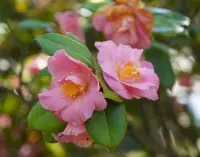
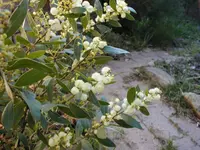
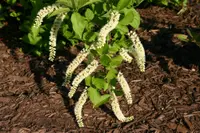
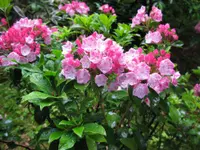
Mountain laurel, Kalmia latifolia, is an evergreen shrub known for its dense, glossy foliage and clusters of intricate, cup-shaped flowers in late spring. It usually forms a rounded mound and can develop multiple stems, giving it a shrubby, thicket-like appearance over time.

This species is native to eastern North America, where it grows in woodland edges and rocky, acidic slopes. It can be somewhat demanding, so it helps to learn how to care for Mountain laurel before planting.

It prefers dappled light, cool roots, and moist but well-drained, acidic soil. In suitable conditions, it becomes a long-lived structural shrub with strong seasonal interest.

Main Plant Requirements

Care Difficulty

Hard Care

Light Preference

Partial Shade

Water Requirements

Regular Water

Temperature Preference

Cold Hardy

Hardiness Zone

4–9

Soil Texture

Sandy, Loamy, Organic-rich

Soil pH

Strongly acidic (4.5–5.5)

Soil Drainage

Moist but well-drained

Fertilization

Minimal (feed rarely)

Get Personalized Care Plan

Scan your plant to receive care tips personalized for your specific plant

Available on iOS and Android

How to Care for the Mountain laurel

This evergreen shrub thrives in bright, indirect light with limited harsh sun exposure.

  • Provide 3–5 hours of morning sun with light afternoon shade; dappled woodland light suits Mountain laurel best.
  • Avoid strong midday and late-afternoon sun, which can scorch leaves and fade flowers, especially in hotter climates.
  • In cooler climates, choose a site with more direct morning light; in hotter regions, increase shade cover during summer to reduce stress and leaf burn.

This shrub prefers consistently moist, cool, well-drained soil rather than cycles of drought or saturation.

  • Water when the top 3–5 cm of soil feels dry, aiming for evenly moist soil that is never soggy.
  • Reduce watering in cool, rainy seasons and increase slightly during hot, dry periods, watching for wilting or dull, curling leaves as signs of thirst.
  • Ensure acidic, well-draining soil; yellowing leaves, blackened roots, or sour odor indicate overwatering, while brittle leaves and dry, cracked soil suggest underwatering in Kalmia latifolia.

This species is cold-hardy but grows best in moderate temperatures without extreme heat or rapid swings.

  • Optimal growing temperatures are about 60–75°F (16–24°C) in the main growing season, with cool nights improving vigor.
  • Mature plants tolerate winter lows near −10°F (−23°C) in sheltered sites, but young shrubs benefit from mulch to protect roots from deep freezes.
  • Prolonged heat above 85°F (29°C), especially with dry winds, can stress foliage, so provide mulch, shade, and consistent soil moisture during hot spells.

This shrub handles a wide humidity range but prefers moderately moist air.

  • Aim for 40–60% humidity, similar to most outdoor garden conditions in temperate climates.
  • Tolerates short dry spells, but prolonged very dry air can cause browning leaf edges and increased leaf drop.
  • Increase humidity slightly in exposed sites by mulching the root zone and grouping shrubs to reduce drying winds around Mountain laurel.

This species needs acidic, well-aerated, free-draining soil to avoid root problems.

  • Use a loose, organic-rich, sandy or loamy structure that holds some moisture but never becomes waterlogged.
  • Target a pH of 4.5–5.5; avoid alkaline or strongly limed soils that cause nutrient lockout and chlorosis (yellowing leaves).
  • Blend materials such as pine bark fines, coarse sand, and leaf mold or peat to improve aeration and structure for Kalmia latifolia.
  • Avoid heavy clay, compacted ground, or sites where water sits after rain, as roots are shallow and prone to rot.

This shrub can be grown in containers, but it demands careful moisture and stability management.

  • Choose a deep, heavy container so the relatively shallow but spreading root system remains stable in wind and does not tip easily.
  • Use a tall pot profile with extra side drainage holes to keep the lower root zone from staying saturated after storms.
  • Position the container on pot feet or bricks so drainage holes never sit directly on a solid surface, allowing fast runoff of excess water.

Kalmia latifolia benefits from light, targeted feeding that supports growth without raising soil pH.

  • Use an acid-forming, slow-release fertilizer or compost formulated for rhododendrons/azaleas, not general garden lime-rich products.
  • Apply a balanced acid-loving formula at 1/2 strength once in early spring and again in mid-summer if growth is weak.
  • Avoid feeding in late summer or winter to prevent soft growth that may suffer in cold weather.
  • Always water well before and after feeding to reduce root burn and help nutrients move into the root zone.

Kalmia latifolia needs only light pruning to maintain shape and encourage flowering.

  • Best time is right after flowering in late spring to avoid cutting off next year’s buds.
  • Remove dead, diseased, or damaged branches back to healthy wood using clean, sharp bypass pruners.
  • Thin out a few crowded interior stems to improve air flow and maintain a balanced, natural form.
  • Deadhead spent flower clusters by cutting just above the first set of healthy leaves to support better bud set.

Mountain laurel is usually grown in the ground and dislikes frequent disturbance, so transplant only when necessary.

  • Transplant in early spring or early fall when temperatures are mild and soil is moist but not waterlogged.
  • Look for signs such as roots circling the container, slow growth, or quick drying soil to decide on moving a potted plant.
  • Shift containers only 1 pot size up, using an acidic, well-drained mix similar to azalea or rhododendron substrates.
  • Reduce root stress by watering thoroughly before and after, keeping the original soil level, and shading the plant for 1–2 weeks.

Kalmia latifolia is slow to propagate and mainly increased by semi-ripe cuttings or layering.

  • Take semi-ripe cuttings in mid to late summer, 7–10 cm long, from non-flowering shoots.
  • Use a sterile, sharply draining medium such as a 1:1 mix of perlite and peat or fine bark, with gentle bottom heat if possible.
  • Apply rooting hormone to the cut base, then enclose in high humidity with bright, indirect light.
  • Simple layering of a low, flexible branch in spring, buried in soil and pinned, often roots within 1–2 seasons.

Kalmia latifolia is cold hardy in most temperate gardens but benefits from basic winter protection in exposed sites.

  • Tolerates freezing down to typical USDA zone 4–5 when planted in well-drained, acidic soil.
  • Apply a 5–8 cm mulch of pine bark or needles around the root zone, keeping mulch off the trunk.
  • In windy or very cold locations, use burlap screens to shield foliage from drying winter winds and sun.
  • Move container-grown plants into an unheated but frost-free or slightly sheltered spot to reduce root freezing.

Care Tips

Protect from wind

Site shrubs where they are sheltered from prevailing winter winds or use a windbreak, as cold, drying winds can desiccate evergreen foliage and cause browning on exposed sides.

Mulch for root cooling

Apply a 5–8 cm layer of pine bark or pine needle mulch over the root zone, keeping it a few cm away from the stems, to keep roots cool, conserve moisture, and maintain the acidic surface conditions this species prefers.

Avoid root disturbance

Plan nearby planting and edging carefully and avoid frequent digging or cultivation around the base, since this shrub has shallow, sensitive roots that respond poorly to disturbance.

Targeted deadheading

After flowering, snap or cut off spent flower clusters just above the first whorl of healthy leaves to reduce seed set and direct more energy into bud formation for the following year when growing Mountain laurel.

Prevent salt exposure

Keep plants away from salted roads, driveways, or walkways and avoid using de-icing salts upslope from the root zone, as salt runoff can damage foliage and accumulate in the soil over time.

Common Pests and Diseases

Leaf spot

This disease causes tan to brown spots with darker margins on leaves, often leading to premature leaf drop in humid conditions.

Solution

Remove and discard heavily spotted leaves, avoid overhead watering, and improve air circulation around shrubs; in severe or recurring cases, apply a labeled fungicide for broadleaf evergreens in early spring and repeat as directed as part of broader Kalmia latifolia care instructions.

Blight

This disease leads to sudden browning and dieback of shoot tips, with leaves turning brown and remaining attached, often after wet spring weather.

Solution

Prune out affected shoots several inches below discolored tissue, disinfect pruning tools between cuts, and thin dense growth to improve airflow; in regions with chronic issues, preventative fungicide sprays at bud break can help reduce new infections.

Leaf gall

This disease causes thickened, pale green to white, distorted leaves and young shoots, most common in cool, wet spring weather.

Solution

Hand-pick and destroy galled leaves as soon as they are noticed and avoid overhead irrigation during cool periods; cleaning up and discarding fallen infected material reduces the number of spores that can reinfect plants the following season.

Scale insects

These insects appear as small, dome-shaped or shell-like bumps on stems and leaf undersides, causing yellowing foliage and reduced vigor as they suck sap.

Solution

Prune out heavily infested twigs, then wipe or gently scrub remaining scales from stems; for larger infestations, use horticultural oil during the appropriate season to smother young crawler stages, following label directions for broadleaf evergreens.

Whiteflies

These insects are tiny, white, moth-like pests that fly up when branches are disturbed and feed on leaf undersides, sometimes causing yellowing and sticky honeydew on foliage.

Solution

Use a strong stream of water to dislodge adults and nymphs from leaves, introduce or conserve natural predators such as lady beetles in outdoor plantings, and, if needed, apply insecticidal soap or horticultural oil thoroughly to leaf undersides on cool, overcast days.

Interesting Facts

Highly toxic foliage

All parts of this shrub, especially leaves and nectar, contain grayanotoxins that can disrupt normal nerve and muscle function if ingested by humans or animals.

Specialized mycorrhizal partners

Its roots commonly form ericoid mycorrhizae, a type of fungus–root partnership that helps the plant absorb nutrients in the acidic, nutrient-poor soils where it naturally grows.

Shade-tolerant evergreen

This broadleaf evergreen can maintain dense foliage and flower production under relatively low light in its native understory habitats, giving it a competitive advantage in eastern North American forests.

Botan icon

Did you know?

In several eastern U.S. mountain regions, dense thickets of Kalmia latifolia can grow so impenetrable that they form so-called laurel hells, where the tangled branches are notoriously difficult for hikers and wildlife to move through.

FAQs about Mountain laurel

Lack of flowers usually comes from too much shade, heavy pruning of last year’s growth, or excess nitrogen fertilizer. Buds form on older wood, so avoid cutting after midsummer and keep soil evenly moist but not soggy.

Grow Healthy Plants with Botan Care

Keep your plants happy and healthy with plant identification, disease detection, and easy care guidance.

Botan plant care app — identify plants on mobile

Explore More Plants