Virginia sweetspire Care (Itea virginica)

Also known as: Virginia-willow, pepperidge
Virginia sweetspire

About Virginia sweetspire

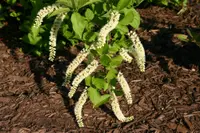
Virginia sweetspire, Itea virginica, is a deciduous shrub known for its arching branches, white bottlebrush flowers, and strong fall color. It typically forms a rounded, suckering thicket over time.

This species is native to moist woodlands and stream banks in the eastern United States. Its ability to handle periodic wet soil and brief dry spells makes it relatively forgiving.

Virginia sweetspire prefers sun to light shade and consistently moist, well-drained soil rich in organic matter. These traits make it helpful to understand how to care for Virginia sweetspire in typical home gardens.

Main Plant Requirements

Care Difficulty

Easy Care

Light Preference

Partial Sun

Water Requirements

Regular Water

Temperature Preference

Cold Hardy

Hardiness Zone

5–9

Soil Texture

Loamy, Clay, Organic-rich

Soil pH

Acidic (5.5–6.5), Slightly acidic (6.5–7.0)

Soil Drainage

Moist but well-drained

Fertilization

Minimal (feed rarely)

Get Personalized Care Plan

Scan your plant to receive care tips personalized for your specific plant

Available on iOS and Android

How to Care for the Virginia sweetspire

This shrub prefers bright conditions that balance flowering performance with leaf health.

  • Provide 4–6 hours of direct morning sun with light afternoon shade; full sun all day is best only where summers are mild.
  • Virginia sweetspire tolerates partial shade (as little as 2–3 hours of sun) but flowering and fall color are reduced in deeper shade.
  • In hot summers, protect from harsh sun between 1–4 p.m. to prevent leaf scorch, especially for young or newly transplanted shrubs.

This species prefers consistently moist, not saturated, soil and dislikes drying out completely.

  • In active growth, water when the top 3–5 cm of soil feels just barely dry, aiming to keep the root zone evenly damp.
  • Use soil that drains freely yet holds moisture; standing water, foul smell, or black, mushy roots indicate overwatering.
  • Wilting, crisp leaf edges, and shrinking new growth on Itea virginica usually signal underwatering, especially during hot, dry spells.

This shrub is adapted to outdoor climates with cold winters and warm summers.

  • Ideal growing temperatures are 60–80°F (16–27°C) in spring and summer, with normal outdoor fluctuations tolerated well.
  • Dormant plants handle winter lows near 0°F (−18°C) once established, though young shrubs benefit from mulch over the root zone.
  • Heat up to about 90–95°F (32–35°C) is tolerated if soil stays moist; extended heat with dry soil can stress foliage and reduce flowering.

This shrub handles a wide humidity range and usually needs no special humidity management outdoors.

  • Performs well at 30–70% humidity, typical of most outdoor sites in its hardiness range.
  • Tolerates relatively dry air if soil stays evenly moist, especially in full sun or windy positions.
  • Low humidity stress shows as marginal leaf browning and slower growth; prioritize soil moisture over misting, which has little lasting effect.

Itea virginica prefers consistently moist, humus-rich soil with slow to moderate drainage.

  • Aim for a loamy soil rich in organic matter that stays damp but not waterlogged, mimicking streambank conditions.
  • Use roughly 50–70% garden loam with 30–50% composted leaf mold or fine pine bark to increase water-holding capacity and structure.
  • Target slightly acidic to neutral pH (5.5–7.0); add elemental sulfur or peat-free acidic compost if the soil is strongly alkaline.
  • Improve drainage in heavy clay by incorporating coarse sand or fine gravel in the top 20–30 cm, but avoid sites with standing water after rain.

This species can grow in containers for several years if moisture and root space are managed carefully.

  • Choose a deep, heavy container that resists tipping as the shrub develops dense, arching growth and wet, heavy substrate.
  • Use a moisture-retentive, compost-rich potting mix rather than a very fast-draining blend to prevent rapid drying between waterings.
  • Raise the pot slightly on feet or blocks so drainage holes stay clear and excess water can escape even on solid surfaces.

Virginia sweetspire benefits from light, targeted feeding but does not need heavy fertilization.

  • Apply a balanced slow-release fertilizer (around 10-10-10) once in early spring as new growth starts.
  • In richer soils, use a thin layer of compost instead of granular fertilizer to maintain organic matter.
  • Use fertilizers at half the label strength to avoid excessive, weak growth and reduced flowering.
  • Do not feed in late fall or winter, when the plant is dormant and not actively using nutrients.

Itea virginica responds well to thoughtful pruning that maintains natural shape and flowering.

  • Prune just after flowering in late spring or early summer so next year’s buds are not removed.
  • Cut out dead, diseased, or winter-damaged stems at the base using clean, sharp hand pruners.
  • Thin a few of the oldest, most crowded stems to the ground to improve air flow and encourage fresh growth.
  • Lightly shorten overly long shoots to maintain a compact outline without creating stiff, unnatural shapes.

This shrub is usually grown in the ground, so focus on careful transplanting rather than frequent repotting.

  • Transplant Itea virginica in early spring or early fall when temperatures are mild and soil is workable.
  • Move plants only every several years, when crowding, poor vigor, or site problems justify disturbance.
  • Dig a wide hole, keep the root ball intact, and set the shrub at the same depth to minimize root stress.
  • Water deeply after transplanting, then keep soil evenly moist for several weeks to support re-establishment.

Itea virginica is commonly propagated by cuttings, division, or seed under suitable conditions.

  • Take softwood cuttings in late spring to early summer and root them in a moist, well-drained, low-nutrient medium.
  • Provide bright, indirect light and high humidity for cuttings, using a clear cover or misting to limit moisture loss.
  • Divide suckering clumps in early spring or fall, keeping several healthy shoots and roots on each section.
  • Sow fresh seed outdoors in fall so natural winter chilling (cold stratification) improves germination in spring.

Established Itea virginica is cold hardy in much of the US and usually needs minimal winter care.

  • In zones near its hardiness limit, add 5–8 cm of mulch over the root zone after the ground cools, not touching stems.
  • Avoid late-season high-nitrogen feeding, which can produce tender growth more vulnerable to freezing.
  • Container-grown plants in colder regions can be moved into an unheated garage or sheltered area to reduce freeze-thaw stress.

Care Tips

Renewal coppicing

Every 3–5 years, cut all stems back to 15–20 cm from the ground in late winter to rejuvenate old, woody shrubs and encourage dense new flowering growth when growing Virginia sweetspire.

Sucker management

Inspect the drip line in spring and early summer, removing unwanted root suckers with a sharp spade to keep the shrub within bounds and maintain a defined planting outline.

Mulch for color

Apply a 5–8 cm layer of pine bark or shredded hardwood mulch over the root zone, stopping a few cm from the stems, to conserve moisture and enhance the visibility of fall leaf color against a dark background.

Erosion control use

On slopes, plant in staggered rows 60–90 cm apart and allow some suckers to remain so the interconnected root systems help stabilize soil and reduce runoff.

Flooding resilience check

After heavy rains or temporary flooding, hose foliage to remove silt and check for stem dieback, pruning out only clearly dead sections to let this naturally flood-tolerant shrub recover.

Common Pests and Diseases

Leaf spot

This disease causes small brown, purple, or tan lesions on leaves that may merge into larger blotches, especially in warm, humid weather. Symptoms include premature yellowing and early leaf drop on lower or inner branches.

Solution

Remove and discard heavily spotted leaves and fallen debris to reduce inoculum, and avoid overhead watering so foliage dries quickly. Improve air circulation around the shrub and, if spotting is severe for several seasons, apply a labeled ornamental fungicide in spring as new growth emerges, following local guidelines for Itea virginica care.

Powdery mildew

This disease appears as a white to gray powdery coating on upper leaf surfaces, often during warm days and cool, humid nights. Symptoms include distorted new growth and reduced vigor if the infection is heavy.

Solution

Thin crowded stems to improve air movement and avoid excess nitrogen fertilization that encourages very soft, susceptible growth. In persistent cases, start preventative fungicide sprays labeled for powdery mildew on ornamentals when conditions become favorable, and remove badly affected shoots to limit spread.

Scale insects

These insects attach to stems or leaf undersides as small, dome-shaped or flat bumps and feed on sap. This pest may cause leaf yellowing, reduced growth, and sticky honeydew that can lead to sooty mold on leaves and nearby surfaces.

Solution

Prune out and discard heavily infested stems, and gently scrub remaining stems with a soft brush and soapy water to dislodge scales. For larger shrubs, use horticultural oil sprays during the dormant season or when crawlers are active, ensuring thorough coverage of stems and leaf undersides.

Aphids

These insects cluster on the tender tips and undersides of leaves and feed by sucking plant sap. This pest can cause curling or distorted young leaves and may leave a sticky honeydew residue that attracts ants and encourages sooty mold growth.

Solution

Spray colonies off with a strong stream of water and clip off heavily infested shoot tips if practical. For persistent infestations, use insecticidal soap or a light horticultural oil, applied in the early morning or evening to avoid leaf burn and repeated as needed according to label directions.

Interesting Facts

Fragrant bottlebrush blooms

The long, drooping flower clusters of this species are made up of tiny, fragrant white flowers whose showy stamens give a bottlebrush appearance and are highly attractive to bees and other pollinators in late spring to early summer.

Outstanding fall color

Despite being a wetland shrub, it can develop unusually vivid fall foliage, often turning shades of deep red, burgundy, and orange, which has made it a favored native choice in landscape design and Itea virginica care instructions.

Adapted to wet soils

This species is naturally common along streambanks, swamps, and wet woodlands in the eastern United States and has roots adapted to periodic flooding, yet it can also survive in average garden soils once established.
Botan icon

Did you know?

Itea virginica is one of the relatively few shrubs native to the southeastern United States that combines shade tolerance, flood tolerance, and strong fall coloration, so it is frequently recommended in ecological restoration projects to stabilize riparian soils while also supporting pollinators and other wildlife.

FAQs about Virginia sweetspire

Poor flowering is usually linked to too much shade, heavy pruning at the wrong time, or nutrient imbalance. Avoid cutting stems after flowering, maintain at least partial sun, and use a balanced, slow‑release fertilizer if soil is depleted.

Grow Healthy Plants with Botan Care

Keep your plants happy and healthy with plant identification, disease detection, and easy care guidance.

Botan plant care app — identify plants on mobile

Explore More Plants