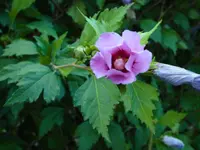
Rose Care (Rosa 'Chicago Peace')

Rose

About Rose

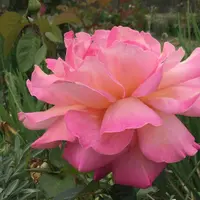
Rosa 'Chicago Peace' is a hybrid tea rose known for its large, high-centered blooms in blended shades of pink, yellow, and soft apricot. It is grown as a deciduous shrub with upright, slightly open growth and glossy green foliage.

This cultivar was developed from garden roses, not wild populations, and is mainly found in home gardens and rose collections. It can be somewhat demanding, as it is prone to common rose diseases and needs regular pruning and monitoring.

Good sun, fertile well-drained soil, and steady moisture help keep it vigorous. With the right conditions and attention, it is manageable for gardeners learning how to care for Rose.

Main Plant Requirements

Care Difficulty

Moderate Care

Light Preference

Full Sun

Water Requirements

Regular Water

Temperature Preference

Cold Hardy

Hardiness Zone

5–9

Soil Texture

Loamy, Sandy, Organic-rich

Soil pH

Acidic (5.5–6.5), Slightly acidic (6.5–7.0)

Soil Drainage

Moist but well-drained

Fertilization

Moderate (every 2–4 weeks)

Get Personalized Care Plan

Scan your plant to receive care tips personalized for your specific plant

Available on iOS and Android

How to Care for the Rose

This hybrid tea rose performs best with abundant direct sun and some protection from extreme afternoon heat.

  • Provide 6–8 hours of direct sun daily, ideally with morning sun and light afternoon shade in hotter regions to reduce petal scorch.
  • Allow light partial shade (3–4 hours sun) in very hot summers, understanding flowering and color intensity may decrease slightly.
  • Avoid dense shade from trees or buildings, which leads to long, weak stems and fewer blooms; winter sun exposure is less critical when the plant is dormant.

Rosa 'Chicago Peace' prefers deep, infrequent watering that moistens the entire root zone without leaving the soil saturated.

  • Water when the top 4–5 cm of soil feels dry, then soak the root area to a depth of 20–30 cm, avoiding overhead spray on foliage and blooms.
  • Use soil with good drainage; soggy conditions, yellowing leaves, and soft stems signal overwatering, while crisp leaves and drooping buds indicate underwatering.
  • Reduce watering in cool, rainy, or dormant periods, and increase during hot, dry spells, always checking soil moisture rather than following a fixed schedule.

This rose grows best in moderate outdoor climates with cool winters and warm, but not extreme, summers.

  • Aim for active growth in 60–80°F (16–27°C), where bud formation, leaf production, and flower quality are most consistent.
  • Tolerates brief heat up to 90–95°F (32–35°C) if soil moisture is maintained and roots are mulched to keep the root zone cooler.
  • Hardy to about 10–15°F (-12 to -9°C) when established and mulched, but young plants and tender new shoots are sensitive to late frosts and freezing winds.

This hybrid tea rose tolerates a wide humidity range and rarely needs special humidity management outdoors.

Rosa 'Chicago Peace' thrives in deep, well-drained, fertile ground with ample organic matter.

  • Use a loamy soil rich in compost, with a crumbly structure that holds moisture yet drains freely.
  • Aim for slightly acidic to neutral pH, around 6.0–7.0, to support nutrient availability and healthy root growth.
  • Improve heavy clay by incorporating coarse sand and compost to boost aeration and prevent waterlogging around the root zone.
  • Avoid compacted, poorly drained, or constantly wet sites, which increase root disease risk and weaken overall plant vigor.

This rose can be grown successfully in containers when given a large, stable setup outdoors.

  • Choose a deep, heavy pot (at least 40–50 cm tall) to accommodate the long root system and reduce tipping from tall stems and wind.
  • Use a slightly raised pot stand so drainage holes never sit in collected water, limiting root rot risks after heavy rain or irrigation.
  • Select thick-walled ceramic or stone containers in hot climates to slow moisture loss and prevent roots from overheating against sun-warmed surfaces.

Rosa 'Chicago Peace' responds well to moderate, consistent feeding during the main growing season.

  • Use a balanced granular or liquid fertilizer around 10-10-10, or slow-release rose fertilizer, applied to moist soil.
  • Feed every 4–6 weeks from early spring to midsummer, then stop 6–8 weeks before expected frost.
  • Apply at half to three-quarter label strength for container plants to avoid salt buildup and root burn.
  • Supplement with a thin layer of well-rotted compost once per year to support soil structure and microbial life.

Targeted pruning keeps Rosa 'Chicago Peace' flowering well and maintains a healthy, open framework.

  • Prune in late winter or very early spring, just before buds swell, using clean, sharp bypass pruners.
  • Remove dead, diseased, or crossing canes first, cutting back to healthy wood above an outward-facing bud.
  • Thin crowded stems to improve air flow, which reduces fungal disease and encourages stronger new shoots.
  • Deadhead spent blooms during the season, cutting back to the first strong 5-leaflet leaf to promote repeat flowering.

Rosa 'Chicago Peace' is usually grown in-ground, but young or container plants benefit from careful transplanting when rootbound.

  • Transplant or shift to a larger container in early spring or fall when growth is slower and stress is reduced.
  • Check for roots circling the pot, water running straight through, or declining vigor as signs a move is needed.
  • Choose a slightly larger container or planting hole with well-drained, rich soil set at the same original planting depth.
  • Water deeply after planting, shade from harsh sun for a few days, and keep soil evenly moist while roots re-establish.

Rosa 'Chicago Peace' is commonly propagated vegetatively to maintain its exact flower and growth traits.

  • Take semi-hardwood stem cuttings in late spring to midsummer, using non-flowering shoots about 10–15 cm long.
  • Remove lower leaves, dip the cut end in rooting hormone, and insert into a sterile, moist, well-drained medium.
  • Provide bright, indirect light, high humidity, and soil temperatures around 70–75°F for steady rooting.
  • Seed propagation is not recommended for this cultivar because seedlings do not come true to the named variety.

Rosa 'Chicago Peace' is moderately cold hardy but benefits from simple winter protection in colder regions.

  • After hard frost, mound 10–15 cm of mulch or compost over the crown to insulate roots and graft union.
  • In very cold or windy sites, add a burlap wrap or rose cone around pruned canes, leaving ventilation at the top.
  • For container plants in zones with freezing winters, move pots into an unheated garage or sheltered porch to prevent root freeze-thaw cycles.

Care Tips

Sturdy staking

Install a strong stake or low rose hoop early in the season and loosely tie the main canes with soft ties to keep heavy blooms from snapping in wind or after rain.

Bud thinning

On young or weak stems, pinch off all but 1–2 buds per cluster so the remaining flowers are larger and the cane is less likely to bend or break under the weight.

Targeted deadheading

When removing spent blooms, cut back to the first outward-facing leaflet with 5 leaflets to encourage open, vase-shaped growth and better air flow through the plant.

Spring cane selection

In early spring, before buds break, remove thin, crossing, or inward-growing canes and keep 4–7 of the strongest, outward-facing canes to build a stable framework for the season.

Preventive pest scouting

From early spring, check the undersides of leaves and new growth 1–2 times per week for aphids, spider mites, and rose slugs so that caring for Rose can stay proactive with spot treatments before infestations build up.

Common Pests and Diseases

Black spot

This disease causes round black spots with fringed or yellow halos on leaves, leading to yellowing and premature leaf drop. Symptoms include rapid defoliation in warm, wet weather, especially on lower foliage.

Solution

Remove and discard infected leaves and fallen debris, then prune to open the plant for better airflow and faster drying. Avoid overhead watering, water early in the day, and apply a targeted rose fungicide according to label directions during humid periods as part of Rosa 'Chicago Peace' plant care.

Powdery mildew

This disease appears as white or gray, powdery growth on young leaves, buds, and stems, which can cause distortion and reduced flowering. Symptoms include curled foliage and stunted new growth in conditions with warm days and cool, humid nights.

Solution

Improve air circulation by thinning crowded stems and avoid wetting foliage late in the day. Remove heavily affected shoots and use a rose-specific fungicide or sulfur-based product at the first sign of infection, repeating as label directions indicate during high-pressure periods.

Rose aphids

These insects cluster on soft shoot tips and buds, sucking sap and causing distorted growth, sticky honeydew, and sometimes sooty mold. This pest is most active on tender spring and early summer growth.

Solution

Spray affected shoots with a firm stream of water to dislodge colonies, repeating every few days as needed. For heavier infestations, use insecticidal soap or a horticultural oil, coating undersides of leaves and buds and reapplying according to product instructions.

Rose slug sawfly

These larvae skeletonize leaves, leaving a windowpane or lacy appearance, and can quickly strip foliage on susceptible hybrid tea roses. This pest feeds mainly on the upper leaf surface, often starting on lower branches and moving upward.

Solution

Inspect leaves regularly and crush or hand-pick larvae when first noticed, then prune and discard heavily damaged foliage. For ongoing problems, apply a horticultural oil or insecticidal soap thoroughly to leaf surfaces, especially undersides, during active feeding periods in spring and early summer.

Botrytis blight

This disease causes buds to turn brown and fail to open, and produces gray, fuzzy mold on petals and flower parts in cool, damp weather. Symptoms include spotting on petals and a general collapse of blooms, especially on dense, heavily petaled flowers.

Solution

Remove and discard spent or blighted flowers and any gray, moldy tissue, and avoid overhead watering to keep blooms as dry as possible. Improve airflow by thinning crowded stems, and use a botrytis-targeted fungicide during prolonged cool, wet conditions if the problem recurs each season.

Interesting Facts

Sport of 'Peace'

This hybrid tea rose is a natural bud sport of the famous 'Peace' rose, discovered in the mid-20th century as a spontaneous color mutation on an existing 'Peace' plant.

Distinctive Color Shifts

Its blooms can shift noticeably in color depending on temperature and light, showing combinations of shell pink, yellow, and deeper rose edges rather than a single stable tone.

Large Exhibition Blooms

The flowers are typically high-centered and can reach impressive size under good growing conditions, which is why the cultivar is often used in rose shows and exhibitions.

Botan icon

Did you know?

This cultivar was introduced commercially in the United States in the 1960s and quickly became popular among exhibitors because it combined the famous 'Peace' lineage with stronger, more saturated coloration that stands out on show benches.

FAQs about Rose

Lack of blooms often comes from insufficient light, too much nitrogen fertilizer, or old, unpruned wood. Deadhead spent flowers, feed with a balanced rose fertilizer, and prune to keep 2–3 year-old canes productive.

Grow Healthy Plants with Botan Care

Keep your plants happy and healthy with plant identification, disease detection, and easy care guidance.

Botan plant care app — identify plants on mobile

Explore More Plants