orange agoseris Care (Agoseris aurantiaca)

Also known as: Orange False Dandelion, Orange Mountain Dandelion
orange agoseris

About orange agoseris

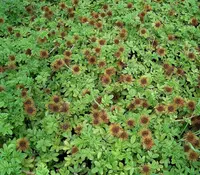
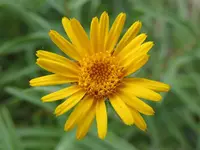
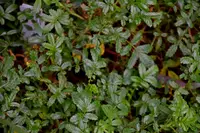
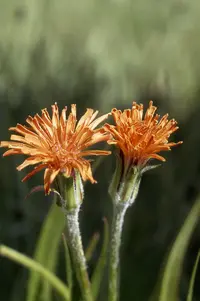
Orange agoseris (Agoseris aurantiaca) is a small, short-lived perennial wildflower in the daisy family, often called mountain dandelion. It forms low rosettes of narrow leaves and sends up slender stems topped with bright orange to reddish flower heads that resemble single daisies or large dandelions.

This species is native to western North America, usually found in open mountain meadows, grasslands, and rocky slopes. It is generally easy to grow where conditions match its natural habitat, but less suited to hot, humid, or very wet climates.

Gardeners who care for orange agoseris should note that it prefers full sun, well-drained soil, and moderate moisture rather than consistently wet ground.

Main Plant Requirements

Care Difficulty

Easy Care

Light Preference

Full Sun

Water Requirements

Low Water

Temperature Preference

Cold Hardy

Hardiness Zone

3–8

Soil Texture

Sandy, Loamy, Rocky

Soil pH

Slightly acidic (6.5–7.0), Neutral (7.0)

Soil Drainage

Well-drained

Fertilization

Minimal (feed rarely)

Get Personalized Care Plan

Scan your plant to receive care tips personalized for your specific plant

Available on iOS and Android

How to Care for the orange agoseris

This mountain wildflower prefers bright, open conditions with cool roots and strong top light.

  • Provide 6–8 hours of direct sun daily, ideally full morning sun with some light afternoon shade in hotter lowland sites.
  • Tolerates light partial shade (3–4 hours sun), but flowering and compact growth decline in heavier shade and tall, dense vegetation.
  • In hot summers, protect from intense late-afternoon sun to reduce leaf scorch and moisture stress, especially in thin or very dry soils.

This species is adapted to well-drained, often dry mountain soils and dislikes prolonged wetness.

  • Water only when the top 3–5 cm of soil are dry, aiming for soil that dries between waterings rather than staying constantly moist.
  • Use sharply drained, gritty or sandy soil so water passes through quickly; standing water around roots greatly increases rot risk for Agoseris aurantiaca.
  • In spring and cool, rainy periods, extra watering is rarely needed, while during hot, dry spells watch for drooping outer leaves and water deeply, then allow full drainage.

This hardy perennial is adapted to cool to moderately warm conditions with cold winters.

  • Optimal growth occurs around 55–75°F (13–24°C), with strong flowering in cool springs and mild summers.
  • Established plants usually tolerate down to about 0°F (−18°C) with snow cover; short dips slightly below may be survived if soil drains well.
  • Handles dry summer heat up to about 85–90°F (29–32°C) if soil is not waterlogged, but prolonged extreme heat can shorten flowering and stress foliage.

Humidity is rarely a limiting factor for this hardy mountain wildflower.

This species prefers lean, well-drained mineral soils that mimic open mountain meadows.

  • Use a gritty sandy or sandy-loam mix with low to moderate organic matter, such as 2 parts sand, 1 part loam, 1 part compost.
  • Ensure rapid drainage; water should pass through within seconds and not leave the mix muddy or compacted.
  • Aim for slightly acidic to neutral pH around 6.0–7.0, avoiding strongly acidic or alkaline conditions.
  • Avoid heavy clay, peat-heavy, or constantly wet substrates, which reduce aeration and promote root rot in Agoseris aurantiaca.

This species can be grown in containers if the potting setup mimics its naturally sharp drainage.

  • Choose a deep, narrow container to give the taproot steady depth while limiting excess side volume that can stay wet.
  • Select a mineral-based mix in a pot with large drainage holes so water exits quickly, then elevate the pot on feet or bricks.
  • Use a heavier pot material like clay or ceramic to stabilize the plant against wind, since the flowering stems can be top-heavy.

This native wildflower usually needs minimal feeding, especially in lean, well-drained soils.

  • In very poor soil, apply a light top-dressing of compost once in spring as growth begins.
  • For containers, use a balanced liquid fertilizer (around 10-10-10) at 1/4–1/2 strength every 4–6 weeks in the growing season.
  • Stop feeding orange agoseris in late summer to allow natural hardening before winter.

Pruning needs for Agoseris aurantiaca are low and focus on cleanliness and seed control rather than shaping.

  • Deadhead spent flower stalks in late spring and summer to reduce self-seeding and keep plants tidy.
  • Remove dead or damaged leaves at the base with clean scissors or hand pruners to limit disease risk.
  • Cut back old flower stems close to the crown once they dry, leaving healthy rosettes intact for next season.

This taprooted perennial dislikes disturbance, so transplant only when clearly necessary.

  • Transplant in early spring or early fall, when temperatures are mild and soil is workable.
  • Look for signs like roots circling a pot, soil drying very fast, or declining vigor in containers before moving a plant.
  • Dig deeply and keep the long taproot intact, handling the root ball gently to limit shock.
  • Replant into well-drained soil at the same depth, water thoroughly once, then keep soil just lightly moist while it resettles.

Most Agoseris aurantiaca plants are raised from seed rather than by division or cuttings.

  • Collect seed heads as they fluff out and sow fresh for best germination.
  • Sow in fall outdoors or provide 4–6 weeks of cold, moist stratification in the refrigerator before spring sowing.
  • Use a gritty, well-drained seed mix, pressing seeds lightly into the surface and keeping them just barely covered.
  • Maintain even, light moisture and bright, cool conditions until seedlings develop several true leaves, then harden off before planting out.

Mature plants are quite cold hardy and usually require little winter attention in-ground.

  • In regions colder than the plant’s usual range, apply a light 2–5 cm mulch after the ground cools, keeping it off the crown.
  • Container plants benefit from being moved to a sheltered, unheated but frost-free spot with good light.
  • Avoid winter waterlogging by ensuring sharp drainage, especially in heavy or compacted soils.

Care Tips

Encourage deep roots

In the first growing season, give one thorough soak after natural rainfall instead of frequent light watering to promote a deep root system that improves drought tolerance and anchoring on open slopes or meadows.

Control competition

Keep a 15–30 cm weed-free circle around each plant by shallow hand weeding or using mulch sparingly, so nearby grasses and aggressive forbs do not outcompete the relatively fine root system.

Support seed set

If you want self-sown seedlings, leave flower heads on the plant until the seed pappus has fully expanded and turned fluffy, then shake or gently crumble the heads over nearby bare soil on a dry, calm day.

Time division carefully

For established clumps, divide only in early spring just as new growth appears, keeping divisions small with at least one healthy bud and replanting immediately so the taproot is not exposed to drying winds or sun.

Adapt to lean soils

On naturally poor or rocky sites, avoid heavy soil improvement and instead lightly top-dress around plants once a year with a thin layer of gritty compost, which maintains vigor without pushing weak, floppy growth when growing orange agoseris.

Common Pests and Diseases

Leaf spot fungi

This disease causes small tan to brown spots on basal leaves, sometimes with yellow halos and a dry, papery center. Symptoms include premature leaf dieback in wet seasons, especially in dense clumps or poorly drained sites.

Solution

Remove and discard heavily spotted leaves to reduce spore load, and avoid overhead watering so foliage dries quickly. Improve air circulation by thinning nearby vegetation and, in very wet climates, consider moving plants to a more open, breezier site as part of Agoseris aurantiaca care.

Powdery mildew

This disease appears as a white to gray powdery coating on leaves and flowering stems during warm, dry periods with cool nights. Symptoms include distorted new growth and reduced flowering when infections are heavy.

Solution

Increase air movement around plants by spacing them properly and keeping surrounding vegetation trimmed, and water at soil level rather than on foliage. Remove and dispose of the most affected leaves and, if needed, apply a sulfur or potassium bicarbonate fungicide labeled for ornamental perennials, following label directions carefully.

Aphids

These insects cluster on young stems, flower stalks, and undersides of leaves, extracting sap and causing curling or distortion. This pest also excretes sticky honeydew that can attract sooty mold and ants.

Solution

Dislodge colonies with a firm stream of water from a hose and pinch off heavily infested soft tips. Encourage natural predators such as lady beetles, and if populations remain high, use a mild insecticidal soap or neem oil, coating stems and leaf undersides and repeating as needed.

Leaf-mining larvae

These insects create narrow, winding, pale tunnels inside the leaf blades, which may later dry and turn brown. This pest weakens foliage but usually does not kill mature plants unless infestations are severe.

Solution

Remove and destroy mined leaves promptly to break the life cycle before larvae pupate. Keep plants healthy with proper light and moderate watering so they can replace damaged foliage, and avoid broad-spectrum insecticides that might reduce beneficial predators and parasitoid wasps.

Interesting Facts

Bright alpine dandelion

This species is a high-elevation composite with showy orange to reddish flower heads that resemble a dandelion but belong to a different genus adapted to mountain environments of western North America.

Single-use flower stalks

Each flowering stem typically produces only one head that opens and closes with daily light and moisture changes, then elongates as the seeds mature and form a spherical puff for wind dispersal.

Variable mountain specialist

It shows considerable variation in leaf shape and hairiness across its range, reflecting local adaptation to different alpine and subalpine conditions such as wind exposure and soil moisture.

FAQs about orange agoseris

The flowers are highly attractive to native bees and many small butterflies. They provide nectar and pollen in late spring and summer, supporting local pollinator populations when planted in sunny, low-chemical landscapes.

Grow Healthy Plants with Botan Care

Keep your plants happy and healthy with plant identification, disease detection, and easy care guidance.

Botan plant care app — identify plants on mobile

Explore More Plants