Garden Pansy Care (Viola × wittrockiana)

Also known as: Pansy
Garden Pansy

About Garden Pansy

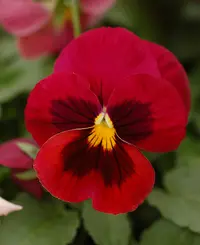
Garden pansy (Viola × wittrockiana) is a compact, cool-season bedding plant grown mainly for its brightly colored, often bi-colored flowers with distinctive face-like markings. Plants usually form low mounds with soft, slightly toothed leaves and a dense, bushy habit that fits well in borders, containers, and window boxes.

This hybrid originated from several European Viola species and is now widely cultivated in temperate gardens rather than occurring in true wild populations. It is generally easy to grow, as long as it receives cool to mild temperatures and regular moisture in well-drained soil.

Garden pansies prefer sun to light shade and consistent, moderate watering, which simplifies how to care for Garden Pansy in most home gardens.

Main Plant Requirements

Care Difficulty

Moderate Care

Light Preference

Full Sun

Water Requirements

Regular Water

Temperature Preference

Cool Climate

Hardiness Zone

6–10

Soil Texture

Loamy, Sandy, Organic-rich

Soil pH

Acidic (5.5–6.5), Slightly acidic (6.5–7.0)

Soil Drainage

Moist but well-drained

Fertilization

Light (every 4–6 weeks)

Get Personalized Care Plan

Scan your plant to receive care tips personalized for your specific plant

Available on iOS and Android

How to Care for the Garden Pansy

This cool-season bedding plant prefers bright outdoor light with protection from harsh heat.

  • Provide 4–6 hours of direct morning sun with light afternoon shade; east or northeast exposure suits Garden Pansy best.
  • In mild climates, full sun is acceptable, but in hotter areas give filtered light or partial shade after 1–2 pm to prevent leaf scorch and flower fade.
  • If plants grow leggy and produce few blooms, they are not getting enough light; move them to a brighter spot if possible.

This plant prefers evenly moist, cool soil without becoming waterlogged.

  • Water when the top 2–3 cm of soil feels dry, soaking the root zone and then allowing excess to drain away fully.
  • Use well-drained soil or beds; persistent puddling, yellowing leaves, and soft stems indicate overwatering or poor drainage.
  • In cooler seasons, watering frequency drops, while in warm, windy weather you may need to check moisture daily; wilting and dry, crisp edges signal underwatering in Viola × wittrockiana.

This cool-loving annual performs best in mild temperatures and declines in strong heat.

  • Aim for 45–65°F (7–18°C) for steady growth and flowering; brief dips outside this range are usually tolerated.
  • Plants survive light frosts to around 25–28°F (-4– -2°C), but hard freezes below this can damage flowers and foliage.
  • Above 80°F (27°C) flowering slows, and sustained heat over 85°F (29°C) often causes plants to stretch, stop blooming, or die back, especially in full sun.

This plant grows well in outdoor air humidity and usually does not need special humidity management.

  • Target 40–60% humidity, which is typical of most outdoor garden conditions in mild climates.
  • Garden Pansy tolerates short spells of drier air if soil moisture is steady and roots do not dry completely.
  • Watch for limp, scorched, or rapidly wilting leaves in hot, dry winds and shelter plants or water more often during such periods.

This plant prefers moist, well‑aerated, fertile soil that drains freely but does not dry out too fast.

  • Use a loose loam or sandy loam with plenty of organic matter, such as compost or well‑rotted leaf mold, to retain moisture while staying airy.
  • Ensure sharp drainage by mixing in materials like coarse sand or perlite at about 20–30% of the volume, especially in heavy or clay soils.
  • Aim for a slightly acidic to neutral pH around 6.0–7.0 for reliable growth and nutrient uptake in Viola × wittrockiana.
  • Avoid compacted, waterlogged, or very heavy clay soils, which cause root rot and weak, short‑lived flowering.

This species is well suited to container culture outdoors on patios, balconies, and window boxes.

  • Choose a pot at least 15–20 cm deep to allow a broad, shallow root system to spread and support dense flowering growth.
  • Use a relatively wide container so plants can be spaced closely without overcrowding, which maintains airflow around foliage.
  • Select lighter plastic or resin pots in windy spots to reduce moisture loss compared with porous clay, then secure them to prevent tipping in strong gusts.

Viola × wittrockiana benefits from light, consistent feeding during its active blooming season to sustain flower production.

  • Use a balanced liquid fertilizer (for example 10-10-10 or 20-20-20) at 1/2 strength every 2–3 weeks during cool-season active growth.
  • Incorporate a thin layer of well-rotted compost into the topsoil at planting to provide slow, steady nutrients.
  • For containers, a mild slow-release fertilizer mixed into fresh potting medium can support flowering for 2–3 months.
  • Reduce or stop feeding in midsummer heat or deep winter dormancy, resuming only when new vigorous growth appears.

Pruning Viola × wittrockiana focuses on removing spent growth to extend flowering and maintain a compact shape.

  • Deadhead faded blooms promptly by pinching or snipping just above a leaf node to encourage new buds.
  • Remove yellowing, diseased, or damaged leaves and stems whenever seen to reduce disease pressure.
  • In late spring or after a flowering flush, lightly shear leggy plants with clean scissors to restore a dense mound.
  • Disinfect pruning tools with alcohol between plants to limit spread of fungal and bacterial problems.

Garden pansy is usually treated as a short-lived bedding plant, so transplanting timing and gentle handling matter more than frequent repotting.

  • Transplant in early spring or early fall when temperatures are cool and stable, avoiding heat waves or hard frosts.
  • Shift container plants only when roots circle the pot or growth stalls, typically every season if kept long term.
  • Move plants into a container just 2–3 cm wider with fresh, well-drained mix to limit waterlogging and shock.
  • Minimize root stress by watering well before moving, handling the root ball firmly, and shading plants for 2–3 days afterward.

Viola × wittrockiana is most commonly renewed from seed, since named hybrids do not come true from self-sown plants.

  • Sow fresh seeds indoors in late summer or late winter in a sterile, fine-textured seed mix.
  • Maintain 60–70°F, high humidity, and low light until germination, then move seedlings to bright, indirect light.
  • Cover seeds very lightly, as they need darkness but not deep burial, and keep the substrate evenly moist, never waterlogged.
  • Take short softwood cuttings of non-flowering shoots in cool weather and root in a humid, shaded propagator if clonal copies are needed.

Viola × wittrockiana is fairly cold tolerant and often overwinters in mild to moderate climates with modest protection.

  • Tolerates light to moderate frosts but may suffer in prolonged freezes below about 10–15°F, especially in containers.
  • Apply a 3–5 cm layer of loose mulch around the root zone in late fall, keeping it off the crowns.
  • Move container plants to a sheltered porch, cold frame, or unheated but frost-sheltered area in severe cold.
  • Avoid waterlogged soil in winter; ensure drainage remains open so roots do not rot during freeze–thaw cycles.

Care Tips

Pinch For Bushiness

Pinch out the very tip of young shoots once they have 3–4 sets of leaves to encourage compact, well-branched plants with more flower stems.

Regular Deadheading

Remove spent blooms as soon as petals fade by snapping off the whole flower head, which prevents seed set and directs energy into continuous flowering.

Seasonal Rotation

Replace tired plants at the end of their cool season with fresh nursery-grown plugs rather than trying to carry them through extreme heat, which keeps containers and beds looking full and uniform.

Cool Root Management

Mulch lightly around the plants with fine bark or compost to keep roots cool, reduce soil splash on leaves, and maintain more even soil conditions in fluctuating spring weather.

Targeted Pest Scouting

Inspect the undersides of leaves and flower buds at least weekly for aphids and thrips, and wash them off with a firm water spray or treat early with insecticidal soap before populations build, which is especially important when caring for Garden Pansy in dense plantings.

Common Pests and Diseases

Downy mildew

This disease causes yellowish angular leaf spots that turn brown, often with a grayish to purplish fuzzy growth on the undersides of leaves in cool, moist conditions.

Solution

Remove and discard infected leaves, avoid overhead watering, and increase spacing and airflow around plants. In humid, cool weather, use a copper-based or phosphonate fungicide labeled for ornamentals as a preventative, and rotate pansy plantings to fresh soil between seasons.

Leaf spot

This disease produces small dark brown to black spots on leaves and sometimes stems, which can coalesce and cause yellowing and premature leaf drop.

Solution

Prune and dispose of affected foliage, keep water off the leaves, and improve air circulation. If leaf spots continue to spread, apply a labeled ornamental fungicide and avoid reusing contaminated plant debris or old potting mix when growing Garden Pansy.

Black root rot

This disease causes stunted growth, sudden wilting in warm weather, and darkened, brittle roots, especially in cool, wet, or poorly drained media.

Solution

Discard heavily affected plants and their potting mix, then clean containers and tools with a disinfectant. For prevention, use well-draining media, avoid overwatering and reuse of old flats, and source disease-free transplants from reputable nurseries.

Aphids

These insects feed on tender growth, causing leaf curling, distortion, and sticky honeydew that can lead to sooty mold on leaves and flowers.

Solution

Spray plants with a firm stream of water to knock aphids off, then follow with insecticidal soap or a light horticultural oil, covering leaf undersides. Encourage natural predators such as lady beetles outdoors and avoid excess nitrogen fertilization that promotes very soft, aphid-prone growth.

Slugs and snails

This pest creates irregular holes in leaves and flowers and leaves shiny slime trails, especially during cool, wet periods and at night.

Solution

Hand-pick slugs and snails in the evening, reduce hiding spots such as dense mulch and debris, and use iron phosphate slug baits placed around but not directly on the plants. In containers, raising pots off the ground and using copper tape around rims can reduce climbing pests.

Interesting Facts

Hybrid origin and sterility

Garden pansies are complex hybrids derived mainly from Viola tricolor, V. lutea, and V. altaica, bred in 19th‑century Europe for larger, flatter flowers. Most modern cultivars are functionally sterile or have very low fertility, so they are maintained and distributed almost entirely through deliberate propagation by seed producers and growers.

Cold-tolerant blooming

This species is notable for its ability to flower in cool conditions where many ornamentals stop growing, often tolerating light frosts without losing blooms. In many temperate regions, it can provide garden color from early spring into early summer, and in mild climates it can also flower through winter.

Distinctive face patterning

Many cultivars show a dark blotch or so‑called face in the flower center, created by concentrated anthocyanin pigments. These contrasting markings are thought to help guide pollinators toward the nectar source, although in cultivated forms humans have also strongly selected them for visual impact.

Botan icon

Did you know?

Selective breeding in the 19th and 20th centuries produced pansy cultivars with highly enlarged petals and a nearly flat flower profile, a form that is very different from their wild Viola ancestors and that would rarely appear or persist without human involvement.

FAQs about Garden Pansy

Lack of blooms usually comes from warm temperatures, low light, or too much nitrogen fertilizer. Spent flowers left on the plant also slow new buds. Regular deadheading and balanced, low-nitrogen feeding help restore flowering.

Grow Healthy Plants with Botan Care

Keep your plants happy and healthy with plant identification, disease detection, and easy care guidance.

Botan plant care app — identify plants on mobile

Explore More Plants