Wind exposure training
Site young plants where they receive steady but not extreme wind so trunks and branches develop strong supportive wood, then gradually thin any temporary windbreaks over 2–3 years to harden the tree without causing windthrow.

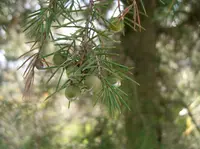
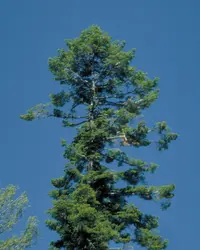
Temple juniper (Juniperus rigida) is an evergreen conifer, usually grown as a small tree or large shrub with a narrow, upright form. Its stiff, sharp needles and dense branching create a strong architectural look in gardens and containers.
This species is native to East Asia, including China, Korea, and Japan, where it grows on rocky slopes and well-drained hillsides. It is valued for its hardiness, tolerance of wind, and year-round structure, which make it relatively straightforward to care for Temple Juniper in many temperate climates.
It generally prefers full sun, modest watering, and sharply drained, slightly dry soil, which suits gardeners who favor low-maintenance, drought-tolerant plants.

Care Difficulty
Moderate Care

Light Preference
Full Sun

Water Requirements
Low Water

Temperature Preference
Cold Hardy

Hardiness Zone
4–7

Soil Texture
Sandy, Loamy, Rocky

Soil pH
Acidic (5.5–6.5), Slightly acidic (6.5–7.0)

Soil Drainage
Well-drained

Fertilization
Minimal (feed rarely)
Scan your plant to receive care tips personalized for your specific plant
Available on iOS and Android
Juniperus rigida thrives in bright, open conditions with plenty of direct sun for compact, healthy growth.
Juniperus rigida prefers dry to moderately moist soil and is more tolerant of drought than excess water.
This species is a cold-hardy conifer that tolerates a wide temperature range once established.
Juniperus rigida handles a wide humidity range and usually does not need special humidity management indoors or outdoors.
Juniperus rigida prefers lean, mineral soils that drain quickly and never stay waterlogged.
This species can grow well in containers when given stable, well-drained conditions.
Juniperus rigida grows well in lean soil and needs only modest feeding in cultivation.
Juniperus rigida benefits from light, directional pruning to maintain structure and health.
This species is usually landscape-grown, so care focuses on careful transplanting rather than frequent repotting.
Juniperus rigida is most often propagated by semi-hardwood cuttings rather than seed for consistent traits.
Juniperus rigida is cold hardy and usually needs minimal winter care in the ground.

Plant Health Check
Not sure what's wrong with your plant? Check your plant's health inside the app.
This species is naturally distributed along coastal and montane areas of China, Korea, Japan, and parts of Russia, where it tolerates thin, rocky soils and exposure to salt-laden winds better than many other conifers.
On some East Asian coasts it is planted deliberately to stabilize sand dunes, as its deep, binding root system helps hold shifting sands and protect inland areas from wind erosion.
In Japan this species has a long history as a bonsai tree, valued for its naturally rigid, upright habit, fine foliage texture, and strong response to training and deadwood techniques such as jin and shari.

Pollen from this species is a documented cause of seasonal allergies in parts of East Asia, and its flowering and pollen release are closely monitored in some regions because they coincide with peak spring hay fever periods.
This species has a slow to moderate growth rate, typically adding about 10–25 cm per year in garden conditions. Growth is faster in the ground than in containers and increases with full sun, good drainage, and adequate root space.
Keep your plants happy and healthy with plant identification, disease detection, and easy care guidance.