Hinoki Cypress Care (Chamaecyparis obtusa 'Nana Gracilis')

Also known as: Hinoki False Cypress, Hinoki, Dwarf Hinoki Cypress
Hinoki Cypress

About Hinoki Cypress

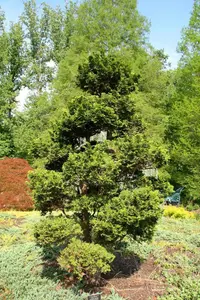
Chamaecyparis obtusa 'Nana Gracilis' is a dwarf hinoki cypress, a slow-growing evergreen conifer valued for its compact, sculptural form. It suits small gardens, containers, and rock gardens.

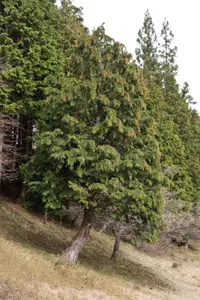
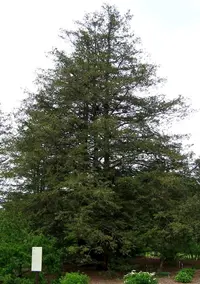
The plant forms dense, fan-shaped foliage in layered sprays, usually deep green, giving a textured, cloud-like look. It comes from Japan, where the species hinoki cypress occurs naturally in mountainous forests.

Its slow growth and naturally tidy habit make it relatively easy to manage, as long as it has enough light and well-drained soil. Understanding how to care for Hinoki Cypress focuses mainly on avoiding waterlogged roots and severe drought stress.

Main Plant Requirements

Care Difficulty

Moderate Care

Light Preference

Partial Sun

Water Requirements

Moderate Water

Temperature Preference

Cold Hardy

Hardiness Zone

4–8

Soil Texture

Loamy, Sandy, Organic-rich

Soil pH

Strongly acidic (4.5–5.5), Acidic (5.5–6.5)

Soil Drainage

Moist but well-drained

Fertilization

Minimal (feed rarely)

Get Personalized Care Plan

Scan your plant to receive care tips personalized for your specific plant

Available on iOS and Android

How to Care for the Hinoki Cypress

This compact conifer prefers bright, gentle light to maintain dense, healthy foliage.

  • Provide 4–6 hours of morning sun with light afternoon shade; strong late-day sun can scorch the scale-like leaves, especially in hotter regions.
  • Tolerates partial shade (2–4 hours sun) but foliage may loosen or dull in deep shade; Hinoki Cypress forms best in bright, filtered light under high, open canopies.
  • In cooler climates, it can handle more direct sun, while in hot summers use dappled light or light shade cloth, particularly during mid-summer afternoons.

This slow-growing conifer values consistently moist but not saturated soil.

  • Water when the top 3–5 cm of soil feels slightly dry, then water deeply so the root zone is evenly moist but not soggy.
  • Ensure sharply draining soil; prolonged puddling, sour smell, or yellowing, limp foliage indicates overwatering, while browning tips and dry, brittle twigs suggest underwatering.
  • During cool, wet seasons reduce watering, but in hot, dry or windy weather, Chamaecyparis obtusa 'Nana Gracilis' may need more frequent checks of soil moisture.

This plant prefers cool to mild conditions and handles substantial outdoor cold once established.

  • Optimal active growth occurs around 55–75°F (13–24°C), with slower but stable growth at slightly cooler temperatures.
  • Mature plants tolerate down to about -10°F (-23°C) with good drainage; young plants benefit from winter mulching to protect roots from freeze–thaw cycles.
  • Heat above 85–90°F (29–32°C), especially with hot, dry winds, can stress foliage; provide afternoon shade and maintain soil moisture during summer heat waves.

This compact conifer prefers moderately moist air but usually adapts to typical indoor humidity if not extremely dry.

  • Aim for 40–60% humidity to reduce foliage browning and tip dieback on Hinoki Cypress.
  • Expect increased shedding and crispy leaf tips when air stays very dry near heating or strong sun-exposed windows.
  • Group plants, place the pot on a pebble tray with water below the pot base, or run a small humidifier nearby to boost humidity without waterlogging roots.

This dwarf conifer needs a moist, free-draining, slightly acidic medium that stays aerated around the roots.

  • Use a loose, loamy mix such as 50% pine bark fines, 30% compost, and 20% perlite or coarse sand for structure and drainage.
  • Keep pH around 5.5–6.5; avoid alkaline mixes based on heavy lime or large amounts of regular garden soil.
  • Improve aeration by including chunky bark or pumice so roots of Chamaecyparis obtusa 'Nana Gracilis' do not sit in compacted, air-poor pockets.
  • Avoid dense clay, peat-only, or constantly saturated substrates, which quickly lead to root rot and foliage bronzing.

This slow-growing dwarf is well suited to long-term container culture outdoors on patios, balconies, or entryways.

  • Choose a squat, heavy pot to reduce tipping from the plant’s upright, slightly top-heavy form in windy or exposed positions.
  • Select a container 5–8 cm wider than the root ball so roots can spread without leaving large, unused volumes of soggy mix.
  • Use a mineral-rich, bark-based mix in a pot with wide drainage holes so excess water exits quickly even during prolonged rain.

This compact conifer grows slowly and needs only light, thoughtful feeding to stay healthy in containers or lean soils.

  • Use a balanced slow-release granular fertilizer (around 10-10-10) or well-rotted compost mixed into the topsoil in early spring.
  • Feed container Hinoki Cypress every 6–8 weeks during the growing season at half the label rate to avoid salt buildup.
  • Skip or greatly reduce fertilization in late fall and winter, when growth is minimal.
  • Always water well before and after feeding so nutrients disperse evenly and roots do not burn.

Pruning Chamaecyparis obtusa 'Nana Gracilis' is mainly about light shaping and health, not heavy cutting.

  • Plan structural pruning for late winter to early spring before new growth starts.
  • Remove dead, diseased, storm-damaged, or crossing shoots using clean, sharp hand pruners.
  • Shorten or thin congested outer tips only, preserving the plant’s natural layered fan shape.
  • Avoid cutting back into bare, old wood that lacks green foliage, since conifers rarely reshoot from this area.

This dwarf hinoki is usually grown in the ground but can adapt to containers if moved carefully and infrequently.

  • Check for roots circling the pot, water running straight through, or slowing growth as signs it needs a larger container.
  • Aim to repot or transplant in early spring or early fall to reduce heat stress and support root recovery.
  • Plan on moving container plants every 3–4 years into a pot 2–5 cm wider, using a free-draining, slightly acidic mix.
  • Handle the root ball gently, loosen only the outer roots, water thoroughly after planting, and keep soil evenly moist while it re-establishes.

Propagation of Chamaecyparis obtusa 'Nana Gracilis' is usually done from cuttings and is moderately slow but reliable with the right conditions.

  • Take 7–10 cm semi-hardwood cuttings in late summer, choosing healthy, non-flowering side shoots.
  • Remove lower foliage, lightly wound the base, and dip in a rooting hormone to encourage root initiation.
  • Insert cuttings into a sterile, sharp-draining mix, then maintain high humidity and bright, indirect light.
  • Keep the rooting medium just moist at 60–70°F; expect several months before strong root systems develop.

This cultivar is generally cold hardy in much of the US but benefits from some winter preparation, especially in containers.

  • In-ground plants tolerate typical winters within their hardiness range, though cold, drying winds can bronze foliage.
  • Apply a 5–8 cm layer of bark mulch around the root zone, keeping it slightly away from the trunk flare.
  • For container plants, wrap the pot or group containers against a wall, or move to an unheated garage to shield roots from deep freezes.

Care Tips

Snow load management

In regions with wet or heavy snowfall, gently brush accumulated snow off the layered fans with an upward motion to prevent branch splitting and distortion of the plant’s natural conical form.

Selective interior thinning

Every 2–3 years, remove a small amount of dead, crowded interior foliage by hand to improve air movement, reduce fungal risk, and keep the outer shell of foliage dense rather than bare inside.

Branch spacing control

On young plants, lightly pinch back or remove a few competing tips on congested sections so the main structural branches are evenly spaced, which maintains a balanced outline as the plant matures.

Mulch ring maintenance

Maintain a 5–8 cm deep mulch ring, keeping it 3–5 cm away from the trunk, to stabilize soil moisture, protect shallow roots from heat and cold, and reduce mechanical damage from lawn tools.

Container root monitoring

For container specimens, slide the root ball out of the pot each spring to check for circling roots and gently tease or cut them before replanting so the plant can continue growing Hinoki Cypress with a stable, non-girdling root system.

Common Pests and Diseases

Cypress aphids

This pest feeds on sap from young shoots, causing dull, yellowed foliage and gradual dieback of branch tips. Symptoms include sticky honeydew and sometimes sooty mold on inner branches.

Solution

Prune out heavily infested shoots, then spray the foliage thoroughly with a strong stream of water to dislodge aphids. If populations remain high, use an insecticidal soap or a light horticultural oil, applied in the cooler part of the day and repeated according to label directions while also avoiding excess nitrogen fertilization that encourages soft new growth.

Spider mites

These insects thrive in hot, dry conditions and cause fine stippling, bronzing, and thinning of the foliage, especially in the inner and lower parts of the plant. Symptoms include very fine webbing when infestations are heavy.

Solution

Increase humidity around the plant and hose down the foliage regularly, focusing on inner branches to knock mites off. For persistent problems, apply insecticidal soap or a miticide labeled for conifers, treating the undersides and interiors of the sprays and repeating at 7–10 day intervals as needed.

Phytophthora root and crown rot

This disease is caused by water-mold pathogens that attack the roots and lower stem in poorly drained or chronically wet soil. Symptoms include progressive yellowing, browning, and death of whole sections of the plant, often starting on one side.

Solution

Improve drainage, avoid overwatering, and never allow water to stand around the base of the shrub; replant on a mound or raised bed if soil is heavy. Remove and destroy severely affected plants and avoid replanting susceptible conifers in the same spot; in high-value situations, a systemic fungicide labeled for Phytophthora may help protect nearby plants when combined with better site conditions.

Cercospora needle blight

This disease causes browning and shedding of interior foliage, giving the plant a thinned, scorched look from the inside out while outer tips may stay green at first. Symptoms include small dark spots or bands on needles before they turn brown and drop.

Solution

Thin crowded branches slightly to improve airflow and avoid overhead irrigation that keeps foliage wet. Collect and dispose of fallen needles and, in recurrent cases, use a copper-based or other labeled fungicide starting in late spring, repeating during wet periods according to product directions as part of broader Chamaecyparis obtusa 'Nana Gracilis' care instructions.

Bagworms

These insects live inside small spindle-shaped bags made of foliage and silk that hang from branches and can strip green tissue from sprays as they feed. Symptoms include patchy defoliation and numerous brown or greenish bags attached firmly to twigs.

Solution

Handpick and destroy bags during fall, winter, and early spring before eggs hatch, focusing on lower and inner branches where they are easiest to reach. If many young caterpillars appear in late spring, use a biological control product containing Bacillus thuringiensis (Bt) or a targeted caterpillar spray, coating the foliage thoroughly while monitoring for new bags later in the season.

Interesting Facts

Naturally slow-growing dwarf

This cultivar is a true genetic dwarf selected from the Japanese hinoki cypress, forming very compact growth with only a few centimeters of extension per year under garden conditions.

Shell-like fan foliage

Its foliage grows in dense, overlapping sprays that curve slightly inward, creating a layered, shell-like texture rather than flat, open branches seen in many other conifers.

Stable century-old cultivar

This plant was introduced to horticulture in the late 19th century and has been propagated clonally ever since, which means modern plants are genetically very close to the original selection.

Botan icon

Did you know?

In Japanese-style gardens, this cultivar is often used as a living structural element because its naturally sculpted, tiered form mimics the appearance of ancient, windswept conifers at a miniature scale, making it highly valued for refined dwarf conifer collections and for those looking to grow Chamaecyparis obtusa 'Nana Gracilis' in small spaces.

FAQs about Hinoki Cypress

Progressive inner browning usually comes from natural aging and shading. Patchy or widespread browning often indicates root issues, poor drainage, salt buildup, winter windburn, or spider mites. Check roots, soil moisture, and foliage closely to identify the main cause.

Grow Healthy Plants with Botan Care

Keep your plants happy and healthy with plant identification, disease detection, and easy care guidance.

Botan plant care app — identify plants on mobile

Explore More Plants