Mountain Plum Pine Care (Podocarpus lawrencei)

Also known as: Plum Pine, Errinundra plum-pine
Mountain Plum Pine

About Mountain Plum Pine

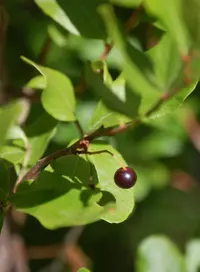
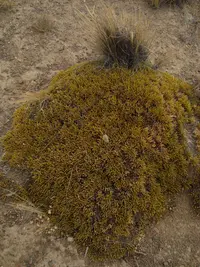
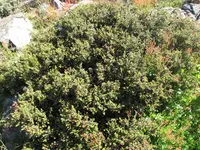
Mountain plum pine (Podocarpus lawrencei) is a compact, slow-growing conifer from alpine regions of southeastern Australia. It naturally forms dense, low mounds or small shrubs with fine, needle-like foliage.

In gardens and containers it is valued for its tidy shape, cold tolerance, and ability to handle pruning. Its slow growth and durability make it suitable for patient beginners who want to care for Mountain Plum Pine in cooler climates.

This species prefers cool conditions, well-drained soil, and steady moisture without waterlogging, and it benefits from a position with good light and shelter from extreme heat.

Main Plant Requirements

Care Difficulty

Moderate Care

Light Preference

Full Sun

Water Requirements

Moderate Water

Temperature Preference

Cold Hardy

Hardiness Zone

7–9

Soil Texture

Sandy, Loamy, Rocky

Soil pH

Acidic (5.5–6.5), Slightly acidic (6.5–7.0)

Soil Drainage

Well-drained

Fertilization

Minimal (feed rarely)

Get Personalized Care Plan

Scan your plant to receive care tips personalized for your specific plant

Available on iOS and Android

How to Care for the Mountain Plum Pine

Podocarpus lawrencei prefers bright conditions with some protection from harsh midday sun.

  • Provide 4–6 hours of direct morning sun or gentle late-afternoon sun, with light shade at midday in hotter regions.
  • Tolerates partial shade, but very dense shade leads to sparse, elongated growth and duller foliage in Mountain Plum Pine.
  • In summer, monitor for leaf scorch on exposed, reflective sites; in winter, ensure at least bright, open shade so shorter days still give enough light.

Podocarpus lawrencei prefers steady moisture in well-drained soil rather than frequent saturation.

  • Water when the top 3–5 cm of soil feels dry, allowing deeper soil to stay slightly moist but never soggy.
  • Use sharply drained soil or a free-draining garden bed; prolonged puddling, a sour smell, or blackened roots indicate overwatering and poor drainage.
  • In cool seasons reduce frequency as growth slows, but in hot, dry, or windy periods, expect faster drying and watch for limp, curling, or bronzing foliage as a sign to water.

This species handles cool conditions well but still grows best in mild, stable temperatures.

  • Aim for 50–75°F (10–24°C) for active growth, with consistent moisture and protection from drying winds.
  • Established plants usually tolerate down to about 10–15°F (-12 to -9°C), but young or potted specimens are safer above 20°F (-6°C).
  • Heat up to 90–95°F (32–35°C) is tolerated if soil moisture is maintained; avoid reflected heat from walls and protect from sudden hard frosts in late spring or early fall.

This species handles typical indoor humidity well and rarely needs special humidity management.

  • Ideal humidity range is roughly 30–50%, and the plant tolerates brief dips slightly below this in heated homes.
  • Mountain Plum Pine shows humidity stress mainly through browning needle tips combined with very dry substrate, rather than air dryness alone.
  • If indoor air is extremely dry, place the pot on a pebble tray with water below the pot base, but do not mist regularly.

Podocarpus lawrencei prefers slightly acidic, sharply drained, mineral-rich soil that does not stay wet.

  • Use a sandy or loamy mix such as 50–60% pine bark or composted bark, 20–30% coarse sand, and 10–20% perlite for structure and drainage.
  • Aim for pH 5.5–6.5; avoid strongly alkaline mixes based on large amounts of limestone or hard tap water over time.
  • Ensure the mix is open and airy; coarse particles should be easily visible so water drains within seconds rather than pooling.
  • Avoid heavy clay garden soil, peat-only mixes, or containers where water lingers, as roots are sensitive to low-oxygen, waterlogged conditions.

This species grows reliably in containers when given a stable, well-drained setup.

  • Choose a container slightly wider than the root ball but deeper than average to accommodate its strong, downward-growing roots without crowding.
  • Use a heavier pot material such as ceramic or clay outdoors to reduce tipping from wind and the shrub’s dense canopy.
  • Raise the pot slightly on feet or spacers so drainage holes stay clear and excess water leaves quickly after irrigation or rain.

Podocarpus lawrencei is slow growing and needs only modest feeding for steady, compact growth.

  • Use a balanced slow-release fertilizer (around 10-10-10) or well-rotted compost at the start of spring for caring for Mountain Plum Pine.
  • Feed every 6–8 weeks during the active growing season, following label rates at half strength for container plants.
  • Reduce or stop feeding in late fall and winter, as growth slows and excess nutrients may stress roots.
  • Water thoroughly after applying fertilizer to distribute nutrients and prevent root burn.

Podocarpus lawrencei responds well to light, deliberate pruning to maintain a dense, tidy form.

  • Carry out main pruning in late winter to early spring before strong new growth begins.
  • Remove dead, damaged, crossing, or crowded branches first to improve structure and airflow.
  • Shorten young shoots selectively to shape hedges or bonsai-style plants without heavy cutting into old wood.
  • Use clean, sharp hand pruners for small branches and make angled cuts just above healthy buds.

This species grows slowly and does not need frequent repotting, but benefits from careful transplanting when rootbound.

  • Check for roots circling the pot base, pushing through drainage holes, or noticeably slowed growth as signs it needs more space.
  • Plan repotting or landscape transplanting for early spring or early fall, avoiding periods of extreme heat or frost.
  • Move container plants every 3–4 years into a pot 2–5 cm wider, using a well-drained, slightly acidic mix.
  • Loosen circling roots gently, keep the root ball moist, and shade the plant for 3–7 days afterward to reduce stress.

Podocarpus lawrencei is most commonly propagated from semi-hardwood cuttings rather than seed for reliable results.

  • Take 7–10 cm semi-hardwood cuttings in late summer, choosing healthy, non-flowering shoots.
  • Remove lower needles, dip the base in a rooting hormone, and insert into a free-draining mix of sand and peat or similar medium.
  • Maintain bright, indirect light, 65–75°F temperatures, and high humidity until roots form, which can take several weeks.
  • Seeds may be used but germinate slowly; sow fresh, lightly covered, and keep evenly moist in a sheltered, cool position.

This species is quite cold tolerant, so outdoor plants in suitable climates usually need minimal winter care.

  • Mature plants tolerate light to moderate frost, but young or potted specimens are more vulnerable to freeze damage.
  • Apply a 5–8 cm mulch layer around the root zone in late fall, keeping it slightly away from the trunk base.
  • Move container plants to a sheltered, unheated but frost-free location if extended hard freezes are expected.

Care Tips

Wind-hardening young plants

If planting in a windy site, gradually expose young shrubs to increased wind over 2–3 weeks or use temporary windbreak mesh so new shoots and roots can strengthen without snapping or rocking loose in the soil.

Low hedge clipping

For tight, dense hedges, lightly clip the tips of new growth 1–2 times during the growing season rather than making heavy cuts once, which encourages finer branching and a more wind-resistant structure.

Rock-mulch integration

In rock gardens or sloped sites, place flat stones or gravel mulch around the root zone to keep the root area cool, reduce erosion, and mimic the plant’s native alpine conditions without covering the stem bases directly.

Winter sun management

In cold regions, position container plants where they receive morning sun but some afternoon shade in winter to reduce leaf scorch and moisture loss when roots are cold and less active.

Formative branch selection

When growing Mountain Plum Pine as a specimen, select 3–5 well-spaced main stems while the plant is young and remove weak or crowded side shoots over several seasons to build a stable, layered framework that better handles snow, wind, and long-term weight.

Common Pests and Diseases

Scale insects

This pest feeds on stems and leaves, causing yellowing, leaf drop, and sticky honeydew that can lead to sooty mold. Infestations are often most noticeable on older, woody parts of the shrub or bonsai.

Solution

Prune out heavily infested twigs, then wipe remaining scales from stems with a cotton pad dipped in 70% isopropyl alcohol or soapy water. For larger plants, use a horticultural oil spray, ensuring thorough coverage of stems and leaf undersides, and repeat every 7–14 days until new growth appears clean; this is a core part of Podocarpus lawrencei care instructions in landscapes and containers.

Mealybugs

These insects appear as white, cottony clusters in leaf axils and on roots, weakening plants through sap feeding. Symptoms include stunted growth, yellowing foliage, and sticky residue on nearby surfaces.

Solution

Isolate affected plants, then remove visible mealybugs with a cotton swab dipped in 70% isopropyl alcohol and rinse foliage with lukewarm water. For persistent cases, apply an insecticidal soap or light horticultural oil, repeating every 7–10 days and checking especially around branch crotches and dense inner foliage.

Spider mites

This pest thrives on podocarpus foliage in hot, dry conditions, causing fine stippling, bronzing, and eventual browning of needles. Symptoms include very fine webbing between leaves and along stems.

Solution

Increase humidity around container plants, then hose down outdoor shrubs or shower indoor plants to wash off mites and dust. Follow with a miticidal soap or horticultural oil spray, applied to all leaf surfaces every 5–7 days for several cycles, and reduce plant stress by avoiding prolonged drought.

Phytophthora dieback

This disease affects roots and lower stems in poorly drained or waterlogged soils, leading to wilting, dull foliage, and progressive dieback of branches. Symptoms include brown, discolored tissue at the base of stems and poor recovery after watering.

Solution

Remove and discard severely affected plants or branches, and avoid replanting podocarpus in the same poorly drained spot. Improve drainage with raised beds or mounded soil, avoid overwatering, and, where allowed, drench surrounding soil with a labeled phosphonate fungicide to protect nearby plants.

Needle blight

This disease causes browning and drop of older needles, often starting on shaded inner branches where air circulation is low. Symptoms include scattered brown needles or small lesions that can progress to twig dieback in humid, crowded plantings.

Solution

Prune out and discard affected twigs and thickenings, thinning dense growth to improve light and airflow into the canopy. Water at the base rather than overhead, keep mulch away from the lower stems, and apply a labeled ornamental conifer fungicide preventively in spring or early summer if the problem recurs yearly.

Interesting Facts

Alpine snow tolerance

This species naturally grows in exposed alpine and subalpine sites in southeastern Australia and can survive heavy snow, strong winds, and repeated freeze–thaw cycles that would damage many other conifers.

Extreme dwarf growth

In the wild it often forms very low, dense mats or cushions, sometimes only 10–30 cm tall, an adaptation that reduces wind exposure and moisture loss in harsh mountain conditions.

Color change in cold

Foliage on many wild plants turns bronze, reddish, or purplish in cold weather due to increased protective pigments called anthocyanins, then returns to greener tones in warmer seasons.

Botan icon

Did you know?

Fossil and biogeographic evidence indicates that this Australian mountain conifer belongs to a very ancient Southern Hemisphere lineage, with ancestors that were already diversifying on the supercontinent Gondwana tens of millions of years ago.

FAQs about Mountain Plum Pine

This species is generally slow-growing, often adding around 5–15 cm of new growth per year in garden conditions. Growth is faster in the ground than in containers and improves with consistent moisture, moderate fertilization, and cool summers.

Grow Healthy Plants with Botan Care

Keep your plants happy and healthy with plant identification, disease detection, and easy care guidance.


Botan plant care app — identify plants on mobile

Explore More Plants