dan zi ma huang Care (Ephedra monosperma)

dan zi ma huang

About dan zi ma huang

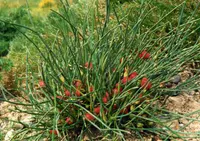
Dan zi ma huang (Ephedra monosperma) is a cold-hardy, woody shrub from the ephedra family, known for its thin, jointed green stems and very small scale-like leaves. It stays low to the ground and forms clumps, giving a wiry, almost leafless look.

This species is native to dry, rocky regions of Siberia, Mongolia, and northern China, where it tolerates wind, poor soils, and low temperatures. Its natural toughness makes it relatively resilient in cultivation, but it needs excellent drainage and dislikes heavy, wet soil.

Full sun, sparse watering, and gritty, mineral soil suit it best, so learning how to care for dan zi ma huang mainly means avoiding excess moisture and rich potting mixes.

Main Plant Requirements

Care Difficulty

Moderate Care

Light Preference

Full Sun

Water Requirements

Low Water

Temperature Preference

Cold Hardy

Hardiness Zone

3–7

Soil Texture

Sandy, Loamy, Rocky

Soil pH

Slightly acidic (6.5–7.0), Neutral (7.0)

Soil Drainage

Well-drained

Fertilization

Minimal (feed rarely)

Get Personalized Care Plan

Scan your plant to receive care tips personalized for your specific plant

Available on iOS and Android

How to Care for the dan zi ma huang

Ephedra monosperma is a cold-adapted shrub that thrives in strong, open sunlight with minimal shade.

  • Provide full sun for 6–8 hours daily; dan zi ma huang grows best on exposed sites such as rocky slopes or open gravel beds.
  • Allow light partial shade only in very hot climates, ideally with morning sun and light afternoon shade to reduce heat stress and needle scorch.
  • In winter, give the plant as much unshaded light as possible; prolonged low light leads to weaker, elongated shoots and reduced vigor.

Ephedra monosperma prefers dry, fast-draining conditions and is highly drought tolerant once established.

  • Use sandy or gravelly soil with excellent drainage so water runs through quickly and does not pool around the roots.
  • Water only when the top 5–8 cm of soil are completely dry; stems that shrivel indicate underwatering, while yellowing, soft stems suggest overwatering or root rot.
  • Reduce watering sharply in fall and winter, providing just enough to prevent severe shriveling, especially in cold outdoor sites.

This species is adapted to continental climates with cold winters and moderate, dry summers.

  • Optimal growth occurs around 60–75°F (16–24°C) in spring and early summer, provided the soil stays dry to slightly dry.
  • Mature plants tolerate severe cold down to about -20°F (-29°C) or lower when soil drains well and roots are not waterlogged.
  • In hot summers above 86°F (30°C), ensure very sharp drainage and some afternoon shade if leaves or stems show scorching or desiccation.

This plant tolerates low humidity well and rarely needs special moisture control indoors.

  • Ideal humidity is 30–50%, matching most heated homes without additional devices.
  • Dry air is usually tolerated, but browning shoot tips can indicate prolonged very dry, hot conditions.
  • If air is extremely dry, increase humidity locally by grouping pots and placing them away from heat vents.

This desert shrub needs very fast-draining, mineral-rich soil to prevent root rot.

  • Use a sandy, gritty mix such as 60–70% coarse sand or grit with the rest light loam or cactus mix.
  • Ensure exceptionally sharp drainage; water should pass through in seconds, leaving no soggy pockets.
  • Aim for slightly alkaline to neutral pH around 7.0–8.0, avoiding strongly acidic peat-heavy substrates.
  • For Ephedra monosperma, avoid high organic content; add small gravel to improve aeration and root anchoring.

This species can grow in containers if given a deep, very free-draining setup that mimics dry, rocky habitats.

  • Select a tall, heavy pot that resists tipping as stems lengthen and become more top-heavy.
  • Choose unglazed clay to let the mix dry faster, preventing water from lingering around the roots.
  • Add a thick, chunky gravel layer near the bottom to reduce perched water and keep roots in the upper, driest zone.

This tough shrub, known as dan zi ma huang, needs only light feeding in most garden soils.

  • Use a low-dose, balanced NPK granular or slow-release fertilizer in early spring if growth appears weak or soil is poor.
  • Apply at half the label rate to avoid forcing soft, leggy growth in this naturally sparse species.
  • In very lean, sandy soils, a thin layer of well-aged compost around the root zone can support long-term vigor.
  • Stop feeding by late summer and do not fertilize in winter dormancy to prevent stress and cold damage.

Ephedra monosperma needs minimal pruning, focused on health and basic shape control.

  • Carry out light pruning in late winter or very early spring before active growth resumes.
  • Remove dead, damaged, or crossing stems with clean, sharp bypass pruners to limit disease entry.
  • Thin out a few crowded older stems at the base to keep the plant open and maintain its natural form.
  • Avoid cutting back hard into old wood, as this shrub responds better to gradual, selective thinning.

This species is usually grown in the ground, so care focuses on thoughtful transplanting rather than frequent repotting.

  • Transplant in early spring or early fall when temperatures are mild and soil is workable.
  • Look for signs such as very slow growth, root circling in a container, or a plant that dries out quickly after watering.
  • Move to a site with sharply drained, sandy or gravelly soil and full sun, disturbing the roots as little as possible.
  • Water thoroughly after transplanting, then keep soil just barely moist while new roots establish, avoiding waterlogging.

Ephedra monosperma is most often propagated from seed, with patience and well-drained conditions.

  • Sow fresh or stratified seeds in late winter–spring in a gritty, fast-draining mix.
  • Provide bright light, good air movement, and temperatures around 60–70°F to support germination.
  • Barely cover seeds, keep the medium lightly moist, and avoid standing water that can cause rot.
  • Once seedlings develop several true segments, transplant carefully into individual pots, handling roots gently.

This cold-hardy shrub tolerates severe winters and usually needs little special care in the ground.

  • Established plants withstand deep frost when planted in sharply drained soil that prevents winter waterlogging.
  • Apply a light gravel or coarse bark mulch around the root zone in late fall to limit heaving in freeze–thaw cycles.
  • Container plants benefit from moving to a cold, bright, sheltered area and keeping the root ball just barely dry.

Care Tips

Encourage Deep Roots

Plant in a slightly deeper, wide hole with a gravelly base layer so roots anchor firmly and tolerate wind, snow load, and seasonal drought better.

Winter Drainage Check

Before freeze-up, confirm that meltwater and winter rain do not pool around the root zone, and if needed, slightly mound or regrade the planting area to keep the crown dry.

Minimal Mulch Strategy

Use only a very thin (1–2 cm) layer of coarse mineral mulch such as gravel around the base, keeping it away from the stem to suppress weeds without trapping excess moisture.

Targeted Weed Control

Hand-weed regularly within a 20–30 cm radius to reduce competition, taking care not to disturb the shallow surface roots that stabilize the plant in loose, sandy soils.

Container Renewal Cycle

For container plants, replace the top 3–5 cm of substrate with fresh, gritty mix every 1–2 years instead of frequent repotting to maintain aeration while keeping the plant slightly root-bound, which supports controlled, compact growth when growing dan zi ma huang.

Common Pests and Diseases

Scale insects

This pest often settles on older stems and nodes, sucking sap and causing gradual yellowing, poor shoot growth, and sticky honeydew on the plant surface.

Solution

Physically remove scales from stems with a cotton swab dipped in 70% isopropyl alcohol, then rinse the plant under a strong but controlled stream of water; in outdoor plantings, encourage natural predators like lady beetles and, if needed, use a light horticultural oil spray during the dormant season, ensuring full coverage of stems and joints.

Spider mites

These insects favor dry, exposed Ephedra stems, producing fine webbing and causing a dull, stippled appearance and progressive shoot weakening.

Solution

Spray stems thoroughly with a strong jet of water to dislodge mites, then maintain slightly higher ambient humidity and airflow; for persistent infestations, use a targeted miticidal soap or horticultural oil, applied in repeated intervals to cover new hatchings while avoiding application during very hot, sunny periods.

Stem canker

This disease causes sunken, dark lesions on green stems, which may girdle segments and lead to dieback of affected jointed sections.

Solution

Prune out and destroy infected stem sections, cutting back into healthy tissue and sterilizing pruning tools between cuts; improve drainage and airflow around the plant, avoid overhead watering, and in severe or spreading cases consider a registered systemic fungicide labeled for canker management on woody shrubs, following label directions carefully.

Needle blight

Symptoms include browning and premature drop of the small scale-like leaves along younger stems, often starting in localized patches after prolonged wet conditions.

Solution

Remove and discard affected shoots to reduce inoculum, then adjust irrigation to keep the base soil moist but stems and foliage relatively dry; increase sun exposure and air movement if possible, and where the disease recurs in outdoor plantings, apply a preventive fungicidal spray at the start of wet seasons, ensuring complete coverage of green stems.

Interesting Facts

Extreme cold tolerance

This species naturally grows across Siberia and northern Asia, surviving winter air temperatures well below −40°F thanks to its dense, low, shrub-like form and tough, jointed stems that resist freeze damage.

One-seeded cone berries

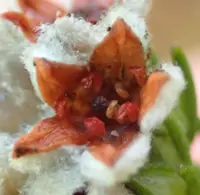
Unlike many relatives with multiple seeds per cone, this plant typically produces fleshy, reddish cone-like structures that each contain a single seed, a distinctive feature reflected in the name monosperma, meaning one-seeded.

Wind-pollinated gymnosperm

The plant is a gymnosperm, so its seeds are not enclosed in true fruits, and it relies on wind rather than insects for pollination, using small separate male and female cones to complete reproduction.

Botan icon

Did you know?

Plants of this species in harsh, high-latitude habitats often grow extremely slowly and can form low mats that are many decades old, making even modest-sized clumps significantly older than they appear.

FAQs about dan zi ma huang

This species is evergreen, keeping its slender green stems year-round rather than dropping foliage seasonally. In colder climates, tips may bronzing or slightly die back, but the plant generally maintains structure and photosynthetic tissue through winter.

Grow Healthy Plants with Botan Care

Keep your plants happy and healthy with plant identification, disease detection, and easy care guidance.

Botan plant care app — identify plants on mobile

Explore More Plants