Patagonian Ephedra Care (Ephedra frustillata)

Patagonian Ephedra

About Patagonian Ephedra

Patagonian Ephedra (Ephedra frustillata) is a small, woody shrub from the dry, windswept regions of Patagonia in southern South America. It belongs to an ancient group of gymnosperms, plants that produce seeds without true flowers.

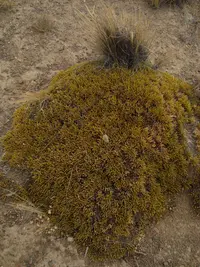
The plant forms low, often cushion-like mounds with many thin, jointed green stems and very small, scale-like leaves. Its compact size and slow, steady growth make it suitable for rock gardens and specialized dry landscapes.

It prefers full sun, excellent drainage, and low to moderate moisture, tolerating poor, gravelly soils and strong winds. These adaptations mean it can be challenging in humid or heavy, water-retentive soils, so understanding how to care for Patagonian Ephedra is important before planting.

Main Plant Requirements

Care Difficulty

Moderate Care

Light Preference

Full Sun

Water Requirements

Low Water

Temperature Preference

Cold Hardy

Hardiness Zone

6–9

Soil Texture

Sandy, Rocky, Loamy

Soil pH

Slightly acidic (6.5–7.0), Slightly alkaline (7.0–7.5)

Soil Drainage

Well-drained

Fertilization

Minimal (feed rarely)

Get Personalized Care Plan

Scan your plant to receive care tips personalized for your specific plant

Available on iOS and Android

How to Care for the Patagonian Ephedra

This shrub favors strong light that mimics open, arid habitats.

  • Provide 6–10 hours of direct sun daily; full sun is best in cool to mild climates where Patagonian Ephedra naturally grows.
  • In hotter regions, give full morning sun with light afternoon shade to limit foliage scorching and excessive moisture loss.
  • If stems elongate, lean, or lose density, light is too low; move to a more open, unshaded position, especially from late winter to early autumn.

This desert-adapted species prefers infrequent, deep watering and very fast drainage.

  • Allow soil to dry completely between waterings; in the ground, water only when several days of heat leave the top 5–10 cm dusty and pale.
  • Use sharply drained, sandy or gravelly soil; avoid water pooling longer than 1–2 hours, which increases root-rot risk.
  • Shriveled, brittle stems indicate underwatering, while limp, yellowing, or blackened stem bases suggest overwatering for Ephedra frustillata.

This species is well adapted to wide temperature swings typical of semi-arid regions.

  • Aim for active growth around 60–80°F (16–27°C) with low to moderate humidity.
  • Mature plants tolerate cold down to about 10–15°F (-12 to -9°C) when soils are dry, but young plants are safer above 20°F (-7°C).
  • Heat tolerance is high up to 95–100°F (35–38°C) if soil drains quickly; avoid combining extreme heat with prolonged soil saturation.

This desert shrub handles low indoor humidity and rarely needs special moisture adjustments.

  • Aim for 20–40% relative humidity, similar to a dry heated room, without extra humidifiers.
  • Dry, firm stems and normal leafless joints indicate it is adapted to arid air rather than humidity-loving growth.
  • Only if tips shrivel and segments wrinkle in very hot, drafty spots, shield from direct hot air vents instead of adding humidity.

Ephedra frustillata prefers very lean, fast-draining, mineral soils that mimic rocky desert slopes.

  • Use a gritty mix such as 50–60% coarse sand or fine gravel with 40–50% cactus mix or sandy loam.
  • Ensure rapid drainage so water runs through within seconds; avoid water-holding peat-heavy substrates that stay wet for days.
  • Keep pH slightly alkaline to neutral (about 7.0–8.0) by including crushed limestone chips or a calcareous grit component.
  • Improve aeration by adding extra pumice or perlite and avoid compacting the mix when filling the container.

This species is suitable for container growing when the pot is adapted to its deep, drought-tolerant root system.

  • Choose a tall, narrow pot that allows a developing taproot while limiting excess surface soil that could stay wet.
  • Use a heavy clay or ceramic container so the plant stays stable against wind and the porous walls release moisture faster.
  • Raise the pot on feet or bricks so drainage holes stay clear and runoff does not reabsorb into the lower root zone.

This drought-adapted shrub, including Patagonian Ephedra, needs only light fertilization in lean, sandy soils.

  • Use a low-dose, balanced NPK fertilizer or very thin layer of compost for in-ground plants with clearly poor growth.
  • Feed once in spring at the start of active growth; skip additional applications in most native-style plantings.
  • For container plants, apply a diluted (50% strength) balanced liquid or slow-release product in spring only.
  • Avoid fertilizing in fall and winter, since the plant is semi-dormant and excess nutrients can stress roots.

Ephedra frustillata needs minimal pruning, mainly to maintain structure and remove damaged growth.

  • Best time is late winter to very early spring, before strong new growth begins.
  • Cut out dead, diseased, or storm-damaged stems at their base using clean, sharp bypass pruners.
  • Thin a few crowded, crossing stems to improve air flow and keep a natural, open shape.
  • Avoid heavy cutting into old wood; light, selective removal preserves flowering and the plant’s architectural form.

This shrub is usually grown in the ground, so focus on careful transplanting rather than frequent repotting.

  • Transplant in early spring or early fall when temperatures are mild and soil is workable.
  • Look for signs such as slow growth, poor vigor, or roots circling a container if grown in pots.
  • Move to a slightly larger, very free-draining site or container, disturbing roots as little as possible.
  • Water thoroughly after transplanting, then allow soil to drain well to reduce root stress and discourage rot.

Propagation of Ephedra frustillata is practical but slow, most often done from seed and sometimes from semi-ripe cuttings.

  • Sow fresh seeds in late winter–spring in a gritty, very well-drained mix, barely covering them.
  • Provide bright light, good air flow, and cool to mild temperatures (50–68°F) to support steady germination.
  • For cuttings, take semi-ripe, pencil-thick stems in late spring–summer and insert in coarse sand or sandy mix.
  • Keep medium just slightly moist, not wet, and expect several months for reliable rooting and establishment.

This species is cold hardy in many temperate climates and usually needs little special winter care once established.

  • Mature plants tolerate significant frost when grown in sharply drained soil.
  • In colder or exposed sites, apply a light gravel or coarse sand mulch to keep the root crown dry.
  • Container plants are more vulnerable; move pots to a sheltered, unheated but frost-free spot if winters are severe.
  • Avoid heavy winter watering so stems and roots do not sit in cold, saturated soil.

Care Tips

Rocky soil mounding

Plant on a slight gravelly mound or raised berm so excess rain drains quickly away from the crown, which greatly reduces the risk of rot in heavy or clay soils.

Winter wet protection

In regions with wet winters, lay a simple clear rain shield or lean-to over the root zone to keep the soil relatively dry while still allowing full light, since extended cold and saturated soil are more damaging than low temperatures alone.

Minimal competing plants

Keep a 30–45 cm weed-free, open gravel or coarse sand zone around the base so the shallow feeder roots do not compete with turf or vigorous groundcovers for water and nutrients.

Non-woody weed control

Use shallow hand weeding or a narrow hoe rather than deep cultivation tools to remove weeds, as cutting into the upper root zone can set back growth and increase stress on this slow-recovering shrub.

Site selection planning

When caring for Patagonian Ephedra, choose a permanent, full-sun, low-irrigation position from the start, because the plant dislikes being transplanted once established in its deep, drought-adapted root system.

Common Pests and Diseases

Scale insects

This pest feeds on stems and joints, sucking sap and causing yellowing, reduced vigor, and sticky honeydew on the wiry branches.

Solution

Prune out heavily infested stem sections, then wipe remaining scales off with a cotton pad dipped in 70% isopropyl alcohol. For outdoor plants, use a targeted horticultural oil spray in dry, mild weather and repeat every 7–10 days until new growth appears clean; avoid oil applications during heat above 85°F to prevent burn on the thin stems.

Spider mites

These insects thrive in hot, dry conditions and cause fine stippling, dull coloration, and delicate webbing along the thin, jointed stems.

Solution

Rinse the plant thoroughly with a firm but gentle stream of water, paying attention to stem nodes where mites cluster. Increase ambient humidity slightly, then use insecticidal soap or a light horticultural oil on both sides of the stems, repeating weekly until no new webbing or speckling appears.

Stem canker

This disease causes localized sunken, discolored lesions on the green stems, which may girdle segments and lead to dieback of affected joints.

Solution

Cut out infected stem sections 5–10 cm below visible symptoms with clean, sharp tools and destroy the prunings. Improve airflow around the plant, keep the base dry, and avoid overhead watering; in areas with repeated issues, a copper-based fungicide applied at the first signs of lesions can help protect healthy tissue while you adjust growing conditions for drier, better-drained Ephedra frustillata care.

Interesting Facts

Patagonian dryland specialist

This species is native to arid and semi-arid steppe regions of southern Patagonia in Argentina and Chile, where it grows on rocky, nutrient-poor soils and withstands strong winds and high solar radiation.

Photosynthetic stem leaves

The plant has very small, scale-like leaves and relies mainly on its green, ribbed stems for photosynthesis, an adaptation that reduces water loss in its dry, windy habitat.

Wind pollination strategy

It produces small, inconspicuous reproductive structures and relies on wind rather than insects for pollination, an efficient strategy in the open, treeless Patagonian landscape.

Botan icon

Did you know?

This shrub frequently forms low, cushion-like clumps that help trap wind-blown soil and moisture, allowing it to act as a small nurse plant that facilitates the establishment of other species in harsh Patagonian steppe environments.

FAQs about Patagonian Ephedra

This species performs best outdoors in full sun, wind-exposed, very well-drained conditions. Indoors it usually becomes weak and sparse due to low light and stagnant air, so Patagonian Ephedra indoor care is considered challenging and rarely successful long term.

Grow Healthy Plants with Botan Care

Keep your plants happy and healthy with plant identification, disease detection, and easy care guidance.

Botan plant care app — identify plants on mobile

Explore More Plants