Common Laburnum Care (Laburnum anagyroides)

Also known as: Golden Chain Tree, Golden Chain, golden rain tree
Common Laburnum

About Common Laburnum

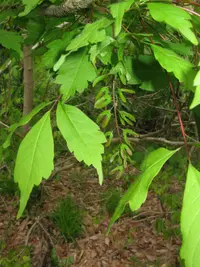
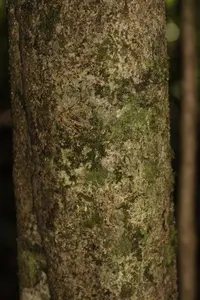
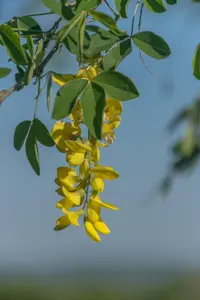
Common laburnum (Laburnum anagyroides) is a small deciduous tree known for its striking hanging clusters of yellow spring flowers. It typically forms a light, open crown with smooth green bark and small trifoliate leaves.

The species is native to southern and central Europe, where it grows on sunny slopes and rocky hillsides. Its showy blooms and manageable size make it popular as a feature tree in gardens and along pathways.

Laburnum anagyroides grows best in full sun, with well-drained soil and moderate moisture. Understanding how to care for Common Laburnum is important, as it is relatively tolerant once established but sensitive to poor drainage and heavy pruning.

Main Plant Requirements

Care Difficulty

Moderate Care

Light Preference

Full Sun

Water Requirements

Moderate Water

Temperature Preference

Cold Hardy

Hardiness Zone

5–7

Soil Texture

Sandy, Loamy

Soil pH

Slightly acidic (6.5–7.0), Slightly alkaline (7.0–7.5)

Soil Drainage

Well-drained

Fertilization

Minimal (feed rarely)

Get Personalized Care Plan

Scan your plant to receive care tips personalized for your specific plant

Available on iOS and Android

How to Care for the Common Laburnum

Laburnum anagyroides performs best in open, bright sites with ample direct sun.

  • Provide 6–8 hours of direct sun daily; morning and early afternoon sun are ideal for strong flowering on Common Laburnum.
  • Tolerates light partial shade (3–4 hours sun), but flower clusters become fewer and stems more open if shade is too deep or prolonged.
  • Avoid very hot, reflected afternoon sun in dry climates, which can scorch leaves; in summer, maintain a mulched root zone to cope with intense light.

Laburnum anagyroides prefers evenly moist but never waterlogged soil, especially while establishing.

  • Outdoors in the ground, water when the top 3–5 cm of soil feel dry, focusing on deep soaking of the root zone rather than frequent light splashes.
  • Reduce supplemental watering in fall and usually stop in winter, except during prolonged dry, frost-free periods when soil becomes very dry and crumbly.
  • Ensure sharply drained soil; signs of overwatering include yellowing leaves and dieback, while underwatering leads to dull, drooping foliage that recovers after a thorough soak.

This species is a cool- to mild-climate tree that handles winter cold and moderate summer heat well.

  • Optimal growth occurs around 55–75°F (13–24°C), with strongest flowering after a cool winter followed by a mild spring.
  • Tolerates winter lows down to about 0°F (−18°C) once established, but young trees may need protection from severe frost and drying winter winds.
  • Handles summer heat up to about 85–90°F (29–32°C) if soil is moist and roots are mulched; prolonged hotter, dry conditions can stress the tree and reduce flowering in the following year.

This species is naturally tolerant of outdoor air and does not need special humidity management.

This tree prefers freely draining, moderately fertile ground and is sensitive to waterlogging.

  • Use a light loam or sandy loam with 20–30% sharp sand or fine grit to keep the structure open and fast draining.
  • Aim for slightly alkaline to neutral pH (about 7.0–8.0); avoid strongly acidic substrates that can limit nutrient availability.
  • Incorporate well-rotted compost in the top 15–20 cm only, avoiding heavy peat layers that hold excessive moisture around the roots.
  • For container or raised-bed use, select a mix labeled for trees and shrubs, then amend with extra grit to enhance aeration and drainage.

This species can be grown in containers when kept compact and well anchored.

  • Choose a deep, heavy pot (ceramic or concrete) to counter the top-heavy canopy and reduce tipping in wind.
  • Select a container that is at least 40–50 cm deep to give the taproot and structural roots adequate vertical space.
  • Elevate the pot slightly on feet so water clears the drainage holes quickly and the base does not stay saturated.

This small tree grows well in moderately fertile soil and usually needs only light feeding.

  • Apply a balanced slow-release fertilizer (around 10-10-10) once in early spring for established Common Laburnum in poor or depleted soil.
  • Use well-rotted compost as a thin surface mulch to improve soil structure rather than relying on frequent granular feeds.
  • During the main growing season, avoid additional high-nitrogen products that could promote weak, sappy growth.
  • Do not fertilize in late summer or winter, and halve the label rate for any supplemental liquid feed to reduce salt stress.

Pruning Laburnum anagyroides is mainly done to maintain a safe structure and support flowering.

  • Carry out main pruning in late summer, after flowering, to avoid removing next year’s flower buds.
  • Use clean, sharp bypass secateurs or a pruning saw to remove dead, diseased, or crossing branches back to sound wood.
  • Thin congested interior shoots to improve light and air movement, keeping an open, balanced crown.
  • Shorten or remove awkward or rubbing branches to maintain clear access paths and a strong framework.

This species is usually planted directly in the ground, and transplanting young trees needs planning.

  • Transplant when young, ideally in late fall or early spring while dormant, to reduce water stress and shock.
  • Look for circling roots escaping drainage holes or very slow growth as signs that a nursery container plant needs a larger pot temporarily.
  • Move up only 1 container size, loosening encircling roots gently without tearing the root ball apart.
  • Water thoroughly after planting, apply a 5–8 cm mulch layer, and keep the root zone evenly moist during the first 1–2 growing seasons.

Propagation of Laburnum anagyroides is possible from seed and semi-ripe cuttings but needs care and patience.

  • Collect ripe seeds in late summer, then use cold stratification by chilling moist seed for 6–8 weeks before spring sowing.
  • Sow pre-treated seeds in a free-draining mix, keeping temperatures around 60–68°F and moisture even but not waterlogged.
  • In mid to late summer, take semi-ripe cuttings 7–10 cm long, removing lower leaves and dipping bases in rooting hormone.
  • Place cuttings in a sterile, well-aerated medium under bright, indirect light and high humidity until firmly rooted.

Mature plants are generally hardy in temperate climates and need minimal winter care.

  • Established trees tolerate typical winter frosts once well rooted in the landscape.
  • In colder regions or exposed sites, apply a 5–8 cm mulch over the root zone in late fall, keeping it clear of the trunk.
  • Young or newly planted trees benefit from windbreaks or staking to limit rocking and root disturbance in winter.

Care Tips

Early framework training

In the first 3–5 years, select 3–5 strong main branches and lightly tie them to canes or wires to build an open, balanced framework that will safely carry the weight of future flower racemes.

Support for arching stems

Where branches are trained over an arch or pergola, secure young stems to the structure with soft, adjustable ties and check them each spring to prevent girdling as the wood thickens.

Flowering spurs management

After flowering, shorten overly long, whippy side shoots by about one-third to encourage the formation of short, sturdy spurs that reliably carry flowers along older wood.

Targeted pod removal

If abundant self-seeding is a concern, cut off the developing seed pods in late summer using clean pruners so the plant’s energy is redirected into wood and bud formation instead of seed production.

Root zone protection

Maintain an undisturbed, mulched root zone under the canopy and avoid heavy foot traffic or cultivation there, since this species dislikes root disturbance once established and performs best when the soil structure remains stable while growing Common Laburnum.

Common Pests and Diseases

Leaf spot

Symptoms include small brown, purple, or black spots on leaves that may merge and cause premature leaf drop. This disease is usually caused by fungi that thrive in prolonged leaf wetness and poor air movement.

Solution

Prune to open the canopy, remove and destroy heavily spotted leaves, and avoid overhead watering to keep foliage as dry as possible. In landscapes with repeated issues, apply a copper- or chlorothalonil-based fungicide in early spring as new leaves emerge, following label directions.

Powdery mildew

This disease produces a white, powdery coating on leaves, young stems, and sometimes flower clusters, often during warm days and cool, humid nights. Affected leaves may curl, distort, and drop early, reducing overall vigor.

Solution

Increase air circulation by thinning crowded branches and avoid excess nitrogen fertilization that encourages soft, susceptible growth. In persistent cases, treat new growth with a labeled sulfur or potassium bicarbonate fungicide at the first sign of mildew, and repeat as needed according to the product label.

Aphids

These insects cluster on young shoots, leaf undersides, and flower stalks, sucking sap and causing curling or distortion of leaves. This pest also excretes honeydew, which can lead to black sooty mold on foliage and nearby surfaces.

Solution

Dislodge colonies by spraying the plant with a strong stream of water, focusing on shoot tips and leaf undersides. If populations remain high, introduce or conserve natural predators such as lady beetles, or use a horticultural soap or neem oil spray that fully coats the insects, repeating as needed.

Leaf-mining moths

This pest creates pale, winding tunnels or blotches within the leaves as the larvae feed between upper and lower leaf surfaces. Heavy infestations can cause extensive cosmetic damage and early leaf drop but rarely kill mature trees.

Solution

Collect and destroy affected leaves in late summer and fall to reduce overwintering larvae. For recurring severe damage, time a biological treatment containing Bacillus thuringiensis (Bt) to coincide with egg hatch, based on local extension or regional guidance on how to take care of Common Laburnum.

Canker and dieback

This disease causes sunken, darkened lesions on branches, with wilting or dieback of twigs beyond the infected area. Symptoms include sparse foliage, dead branch tips, and in severe cases, progressive decline of parts of the crown.

Solution

Prune out infected branches 15–20 cm below visible cankers during dry weather, disinfecting pruning tools between cuts with alcohol or a 10% bleach solution. Improve overall tree vigor with proper watering and mulching, and avoid trunk or root injury that can predispose the plant to further infection.

Interesting Facts

Highly toxic cytisine

All parts of this plant, especially the seeds, contain the alkaloid cytisine, which can cause severe poisoning in humans and animals if ingested, with symptoms resembling nicotine poisoning.

Nitrogen-fixing symbiosis

Its roots form nodules with nitrogen-fixing bacteria, allowing the tree to enrich poor soils with bioavailable nitrogen and support its own growth on relatively low-fertility sites.

Bee-attracting racemes

The long, pendulous yellow flower clusters produce abundant nectar and pollen in late spring, making the tree an important early-season food source for bees in temperate gardens.

Botan icon

Did you know?

In parts of Europe, this species has been used historically in plant hybridization, being one parent of the ornamental hybrid Laburnum × watereri, which combines its long yellow racemes with improved floral display and garden performance.

FAQs about Common Laburnum

Poor flowering often comes from too much shade, heavy pruning at the wrong time, or nutrient imbalance, especially excess nitrogen. Age also matters; young trees may need several years before reliable bloom clusters develop.

Grow Healthy Plants with Botan Care

Keep your plants happy and healthy with plant identification, disease detection, and easy care guidance.

Botan plant care app — identify plants on mobile

Explore More Plants