Layering Propagation
To create a natural hedge, pin a low, flexible branch to the soil with a U-shaped wire, cover the mid-section with 5–8 cm of soil, keep it evenly moist, and sever it from the mother plant after roots form in 1–2 seasons.

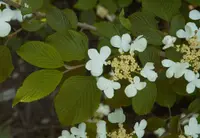
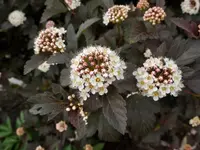
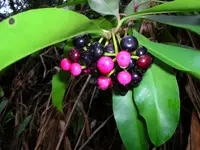
Japanese snowball (Viburnum plicatum) is a deciduous flowering shrub valued for its layered, horizontal branching and showy spring blossoms. Rounded clusters of white flowers create a strong visual impact that resembles snowballs. After flowering, many forms develop red to black berries and foliage that can tint red or purple in autumn. Native to East Asia, this shrub adapts well to many temperate gardens and suits mixed borders or informal hedges. It is generally easy to grow if planted in well-drained soil with moderate moisture and sun to light shade. With the right site, it is straightforward to care for Japanese snowball in home landscapes.

Care Difficulty
Easy Care

Light Preference
Partial Sun

Water Requirements
Moderate Water

Temperature Preference
Cold Hardy

Hardiness Zone
5–8

Soil Texture
Loamy, Clay, Organic-rich

Soil pH
Acidic (5.5–6.5), Slightly acidic (6.5–7.0)

Soil Drainage
Moist but well-drained

Fertilization
Minimal (feed rarely)
Scan your plant to receive care tips personalized for your specific plant
Available on iOS and Android
This shrub prefers bright outdoor conditions with a balance of sun and shade for strong flowering.
This shrub prefers evenly moist, well-drained soil rather than frequent shallow watering.
This plant is a hardy outdoor shrub that tolerates a wide temperature range once established.
Humidity is rarely a limiting factor for Viburnum plicatum outdoors in typical garden conditions.
Viburnum plicatum grows best in moderately moist, well-structured ground that drains freely yet holds some organic matter.
This shrub can be grown in large outdoor containers if the pot supports its eventual size and weight.
Viburnum plicatum benefits from modest feeding to support flowering and foliage, especially in poorer soils.
Pruning Viburnum plicatum keeps the framework open and maintains strong flowering.
Japanese snowball is usually grown in the ground, so focus on careful transplanting rather than frequent repotting.
Viburnum plicatum is commonly propagated from cuttings and sometimes by layering for consistent, true-to-type plants.
Viburnum plicatum is generally cold hardy in much of the US and needs only light winter attention once established.

Plant Health Check
Not sure what's wrong with your plant? Check your plant's health inside the app.
This species naturally develops horizontal, tiered branches that display its white lacecap flowers in stacked layers, which is why it is often described as having a pagoda or wedding-cake structure when in bloom.
In the wild type form, the plant produces lacecap inflorescences, with a ring of larger sterile flowers around smaller fertile ones in the center, an arrangement that helps attract pollinators to the true reproductive flowers.
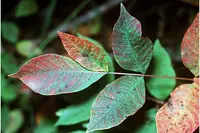
The foliage is typically dark green in the growing season but often turns shades of red, burgundy, or purplish tones in autumn, especially in cooler climates and full-sun exposures.

The species is native to Japan, central China, and Taiwan, and molecular and morphological studies place it within a distinct East Asian lineage of Viburnum that helped botanists understand biogeographic links between Asian and North American viburnums.
Poor flowering often comes from too much shade, heavy pruning at the wrong time, or nutrient imbalance. Avoid pruning after early summer, maintain moderate, not excessive, fertilization, and ensure at least partial sun for reliable blooms.
Keep your plants happy and healthy with plant identification, disease detection, and easy care guidance.