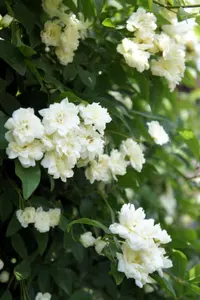
summer-scented wattle Care (Acacia rostellifera)

Also known as: skunk tree
summer-scented wattle

About summer-scented wattle

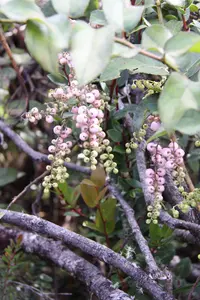
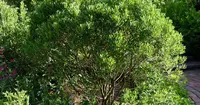
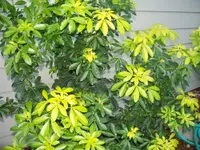
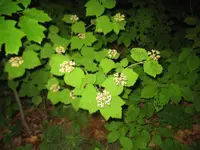
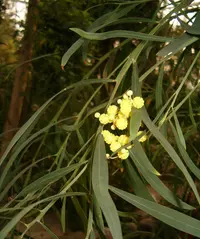
Summer-scented wattle, Acacia rostellifera, is an evergreen shrub or small tree known for its dense, bushy habit and fragrant golden flower clusters. It often forms thickets with multiple stems, creating a natural screen or windbreak in suitable climates.

This species is native to coastal areas of Western Australia, where it grows in sandy soils and tolerates wind and salt exposure. It is generally robust and fast-growing but can become sprawling if not given space.

Acacia rostellifera prefers full sun, free-draining soil, and low to moderate moisture, which makes it relatively straightforward to care for summer-scented wattle in mild, dry-summer regions.

Main Plant Requirements

Care Difficulty

Easy Care

Light Preference

Full Sun

Water Requirements

Low Water

Temperature Preference

Warm Climate

Hardiness Zone

9–11

Soil Texture

Sandy, Loamy

Soil pH

Slightly acidic (6.5–7.0), Neutral (7.0)

Soil Drainage

Well-drained

Fertilization

Minimal (feed rarely)

Get Personalized Care Plan

Scan your plant to receive care tips personalized for your specific plant

Available on iOS and Android

How to Care for the summer-scented wattle

Acacia rostellifera thrives in bright, open conditions similar to its native coastal habitats.

  • Provide 6–8 hours of direct sun daily; full sun promotes compact growth and heavy flowering in summer-scented wattle.
  • Plant in a position with morning sun and early afternoon sun; brief late-afternoon shade helps reduce leaf scorch in very hot inland sites.
  • In light coastal shade, growth remains acceptable, but stems may elongate; if foliage becomes sparse or flowering declines, move to a sunnier spot.

This coastal shrub prefers dry to moderately moist, fast-draining soil and is sensitive to excess water.

  • Allow the top 5–8 cm of soil to dry before watering; in the ground, water deeply only when foliage begins to dull or lower leaves slightly wilt.
  • During the first 1–2 growing seasons, water after hot, dry spells to establish roots; once established, Acacia rostellifera usually copes with natural rainfall.
  • Avoid sites with poor drainage or standing water; yellowing leaves, soft stems, or a sour soil smell indicate overwatering, while crisp leaf tips suggest underwatering.

This species is adapted to mild, dry, coastal climates with warm summers and cool, frost-free winters.

  • Optimal growth occurs around 65–80°F (18–27°C); flowering and new shoot development are strongest in this range.
  • Mature plants tolerate brief heat up to about 100°F (38°C) if soil is not waterlogged; provide mulch to keep roots cooler in extended heatwaves.
  • Frost tolerance is low; damage often appears below 30°F (-1°C) and plants may die below 25°F (-4°C), so choose a sheltered, frost-free microclimate in cooler regions.

This coastal shrub tolerates low humidity and rarely needs special moisture management in homes.

  • Target 30–50% humidity, which matches most indoor and patio conditions in temperate and dry regions.
  • Dry air is usually tolerated; leaf edge browning or fine leaf drop signals prolonged very low humidity with heat stress.
  • If symptoms appear, group plants, provide light airflow, and avoid placing summer-scented wattle directly in blast from heaters or air conditioners.

Acacia rostellifera prefers light, fast-draining soil that mimics its native sandy coastal habitats.

  • Use a sandy or sandy-loam mix with 40–60% coarse sand plus a standard potting mix to keep the root zone airy.
  • Ensure very sharp drainage; excess water should drain within seconds to reduce risk of root rot and fungal problems.
  • Aim for slightly acidic to neutral pH around 6.0–7.0; avoid strongly alkaline or saline substrates that can cause leaf yellowing.
  • Improve aeration by adding fine bark chips or perlite and avoid heavy clay, peat-heavy, or compacted mixes that stay wet for long periods.

This species can be grown in containers when managed to control size and maintain stability.

  • Choose a deep, wide, heavy pot to counteract wind and top-heavy growth, especially on exposed patios or balconies.
  • Use a coarse, gritty mix and elevate the pot on feet or bricks so drainage holes release water quickly after rain or watering.
  • Position the container where it will not be frequently moved, since the woody root system becomes rigid and dislikes repeated shifting once established.

Acacia rostellifera typically needs minimal feeding in the ground, but light supplementation benefits container or poor-soil plants.

  • Apply a balanced slow-release fertilizer (around 10-10-10) at half strength once in early spring for caring for summer-scented wattle in pots or depleted soils.
  • Use a thin layer of compost around the root zone to improve soil structure rather than frequent granular feeds.
  • Avoid feeding in late fall and winter to prevent tender, frost-sensitive growth.
  • Water well after any fertilizer application to disperse nutrients and reduce root burn risk.

Pruning supports healthy structure and flowering in Acacia rostellifera when done light-handedly.

  • Carry out main pruning in late winter to early spring, before strong new growth starts.
  • Remove dead, damaged, crossing, or congested branches with clean, sharp bypass pruners or loppers.
  • Shorten overly long shoots to maintain a stable, wind-resistant shape without cutting into very old wood.
  • Avoid heavy canopy reduction in a single season to reduce stress and dieback risk.

This species is usually grown in the ground, so focus on thoughtful transplanting of young plants rather than frequent repotting.

  • Transplant in late winter to early spring when growth is just resuming and temperatures are mild.
  • Look for signs such as roots circling the pot, water running off quickly, or stalled growth before moving a container plant.
  • Shift young plants to only 1–2 in wider containers or into a well-drained, sandy outdoor site to limit shock.
  • Water thoroughly before and after moving, keep roots shaded, and avoid disturbing the root ball more than necessary.

Propagation of Acacia rostellifera is usually done from seed, with some attention to pre-treatment and warmth.

  • Collect ripe pods in late summer to fall and store seeds dry until sowing.
  • Scarify seeds by nicking the coat or pouring hot (not boiling) water over them, then soak 12–24 hours to speed germination.
  • Sow in a free-draining, sandy mix, keep at 65–75°F, and maintain even, light moisture.
  • Provide bright light and good air movement for seedlings, then pot up individually once roots hold the mix.

This coastal species prefers mild winters and may suffer in areas with hard frost.

  • Tolerates only light frost; sustained temperatures below about 25°F can damage foliage and young wood.
  • Mulch 5–8 cm around the root zone in late fall to moderate soil temperature and conserve moisture.
  • Shelter young plants from cold winds using windbreaks or planting near a warm, reflective wall.
  • Move container-grown specimens into a bright, frost-free space when severe freezes are forecast.

Care Tips

Salt-wind placement

Position plants in the most wind-exposed, coastal-facing part of the site to take advantage of their natural salt tolerance and create a living windbreak for more sensitive species behind them.

Multi-stem management

Encourage a dense multi-stem form by lightly tipping back vigorous leaders in the first 2–3 years, which helps the plant resist storm damage and creates a thicker screen.

Deep anchoring roots

For sandy coastal soils, water less often but very deeply during establishment to drive roots down, improving drought resilience and long-term stability on shifting sand.

Low-branch retention

Leave lower branches intact on windward sides instead of lifting the canopy, as this reduces wind tunneling under the plant and stabilizes it in exposed sites when growing summer-scented wattle.

Fire-wise spacing

In fire-prone regions, space plants with clear gaps between canopies and regularly thin out dead interior twigs so the shrub functions as a barrier without becoming a continuous fuel mass.

Common Pests and Diseases

Acacia psyllids

These insects feed on sap from young shoots and foliage, causing leaf curling, distortion, yellowing, and sticky honeydew that can lead to sooty mold. This pest is often attracted to dense, soft new growth on coastal wattles.

Solution

Prune and dispose of heavily infested shoot tips, then hose foliage firmly to dislodge remaining nymphs. Encourage natural predators such as lady beetles, and if needed use a light horticultural oil or insecticidal soap, applied thoroughly to leaf undersides during mild weather following local Acacia rostellifera care instructions.

Gall rust

This disease causes swollen, woody galls and deformities on stems and branches, sometimes leading to dieback beyond the affected area. Symptoms include irregular, corky growths that can restrict sap flow and weaken the plant structure over time.

Solution

Cut out galled stems well below the affected tissue and dispose of them off-site, avoiding composting. Maintain good spacing and airflow, avoid overhead watering on young plants, and keep the plant vigorous with appropriate water and low-phosphorus fertilizer to limit susceptibility.

Borers

These insects tunnel into stems and branches, causing wilting of individual branches, frass (sawdust-like material), and dieback in sections of the canopy. This pest often exploits trees stressed by drought, pruning wounds, or mechanical damage.

Solution

Identify and prune out affected branches back to healthy wood, destroying removed material. Reduce plant stress by watering deeply but infrequently during dry periods, avoiding trunk injury, and, where practical, wrapping or shielding young stems to reduce egg-laying on smooth bark.

Armillaria root disease

This disease, caused by soil-borne fungi, leads to gradual decline, yellowing foliage, poor new growth, and eventual death, especially in sites with a history of tree removals. Symptoms include white fungal sheets under the bark near the base and dark, shoestring-like strands in the soil.

Solution

Remove severely affected plants including as much root material as feasible, and avoid replanting susceptible woody species in the same spot. Improve drainage, avoid overwatering, and maintain a wide mulch-free zone around the trunk to keep the root collar drier and less favorable for the fungus.

Interesting Facts

Wind-shaped coastal shrub

This species naturally forms dense, wind-pruned thickets on exposed dunes and limestone cliffs along the Western Australian coast, helping to stabilize sandy soils in harsh coastal conditions.

Salt-tolerant foliage

Its narrow, tough phyllodes (leaf-like structures) tolerate salt-laden winds, allowing the plant to grow close to the shoreline where many other woody species struggle to survive.

Habitat for coastal fauna

The dense, often impenetrable stands provide shelter and nesting sites for small birds and other fauna in coastal heath and shrubland communities of south‑western Australia.

FAQs about summer-scented wattle

This species can form dense thickets through suckering roots and self-seeding, especially in sandy soils. In mild climates it may spread more than expected, so allow generous space and remove unwanted seedlings or shoots regularly.

Grow Healthy Plants with Botan Care

Keep your plants happy and healthy with plant identification, disease detection, and easy care guidance.

Botan plant care app — identify plants on mobile

Explore More Plants