Shape With Pinching
Pinch back soft shoot tips 2–3 times in spring and early summer to keep the plant dense, prevent legginess, and encourage more flowering wood.


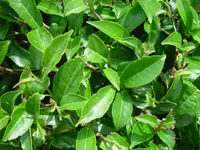
Myrtle, Myrtus communis, is a small evergreen shrub often grown for its dense, glossy foliage and fragrant white flowers. It naturally occurs around the Mediterranean, where conditions are warm and relatively dry. The plant forms a compact, bushy shape and can be trained as a small hedge, shrub, or patio specimen in a container. It suits gardeners who enjoy regular pruning and shaping. Myrtle prefers bright light, moderate moisture, and well-drained soil, so indoor and patio growers should provide similar conditions. Once these needs are understood, it is straightforward to care for Myrtle in many home settings.

Care Difficulty
Moderate Care

Light Preference
Full Sun

Water Requirements
Moderate Water

Temperature Preference
Warm Climate

Hardiness Zone
8–11

Soil Texture
Sandy, Loamy, Organic-rich

Soil pH
Slightly acidic (6.5–7.0), Neutral (7.0)

Soil Drainage
Well-drained

Fertilization
Light (every 4–6 weeks)
Scan your plant to receive care tips personalized for your specific plant
Available on iOS and Android
This Mediterranean shrub prefers bright conditions that mimic its sunny native habitat.
Myrtus communis prefers evenly moist but never waterlogged soil.
This shrub thrives in mild, Mediterranean-type climates with moderate temperatures.
This species prefers moderately humid air but usually adapts to typical indoor levels if not too dry.
Myrtus communis grows best in slightly acidic to neutral, well-draining, structured soil that holds some moisture without staying wet.
This species is well suited to container cultivation due to its compact, easily pruned root system.
Myrtus communis benefits from moderate, consistent feeding during its active growing season.
Myrtus communis responds well to thoughtful pruning that maintains a dense, healthy structure and good flowering.
Container-grown Myrtus communis appreciates periodic repotting to refresh soil and prevent root congestion.
Myrtus communis is commonly propagated from semi-ripe cuttings or seeds under stable, warm conditions.
Myrtus communis is moderately frost sensitive and benefits from simple winter protection in colder regions.

Plant Health Check
Not sure what's wrong with your plant? Check your plant's health inside the app.
The leaves contain visible oil glands that release a strong aromatic scent when crushed, due to high levels of essential oils such as myrtenyl acetate and 1,8-cineole.
In its native Mediterranean range, the flowers attract a specific set of bees, hoverflies, and beetles that are adapted to its rich nectar and abundant pollen, making it an important resource in late spring to early summer.
Common myrtle has been used since ancient Greek and Roman times as a symbol of love, victory, and marital fidelity, and it still appears in traditional wedding garlands in parts of Europe.

The dark blue to almost black berries of common myrtle are not true berries in the botanical sense but fleshy fruits that have been traditionally used to flavor liqueurs such as the Sardinian drink mirto, where their characteristic aroma defines the regional spirit.
Lack of flowers usually comes from insufficient light, heavy pruning at the wrong time, or excess nitrogen fertilizer. Old wood carries most flower buds, so prune lightly after flowering and keep the plant in a bright, stable position.
Keep your plants happy and healthy with plant identification, disease detection, and easy care guidance.