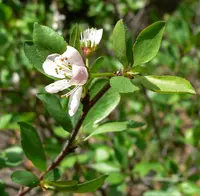
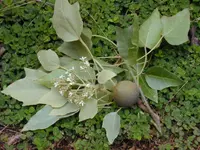
Encourage Bushy Framework
In the first 2–3 years, pinch back or lightly tip-prune vigorous new shoots in late spring to encourage multiple side branches and create a low, sturdy framework that supports fruit better and resists wind damage.

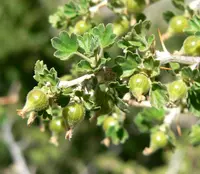
Desert gooseberry, Ribes velutinum, is a small, deciduous shrub native to dry regions of the southwestern United States. It belongs to the currant and gooseberry group and has a naturally shrubby, branching habit.
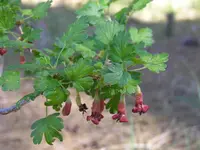
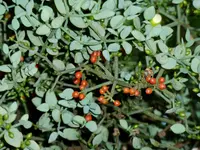
Plants typically form low, rounded mounds with small lobed leaves, short spines on the stems, and hanging clusters of greenish to yellow flowers that develop into small berries. The overall look is modest but well adapted to arid landscapes.
This species is drought tolerant once established and prefers full sun, well-drained, often rocky or sandy soils, and relatively low fertility. These traits make it appealing for gardeners who want to learn how to care for desert gooseberry in water-limited climates.

Care Difficulty
Easy Care

Light Preference
Full Sun

Water Requirements
Low Water

Temperature Preference
Cold Hardy

Hardiness Zone
4–8

Soil Texture
Sandy, Loamy, Rocky

Soil pH
Slightly acidic (6.5–7.0), Neutral (7.0)

Soil Drainage
Well-drained

Fertilization
Minimal (feed rarely)
Scan your plant to receive care tips personalized for your specific plant
Available on iOS and Android
Ribes velutinum grows best in strong sun typical of arid and semi-arid habitats.
Ribes velutinum is drought-tolerant once established and prefers infrequent, deep watering.
This shrub is adapted to continental and desert climates with cold winters and hot summers.
Humidity is not a major factor for Ribes velutinum, which is adapted to dry climates.
Ribes velutinum prefers mineral, well-drained soils that mimic its native arid habitats.
This species can be grown in containers if the pot allows deep, well-drained root development.
This drought-adapted shrub needs only light feeding, so caring for desert gooseberry focuses more on soil health than heavy fertilizer use.
Ribes velutinum benefits from light, deliberate pruning to maintain structure and fruiting wood.
This species is usually grown in the ground, so focus on careful transplanting rather than frequent repotting.
Ribes velutinum is commonly propagated from seed or simple woody cuttings when handled under suitable seasonal conditions.
This shrub is naturally cold hardy in many western North American climates and usually needs only minimal winter care.

Plant Health Check
Not sure what's wrong with your plant? Check your plant's health inside the app.
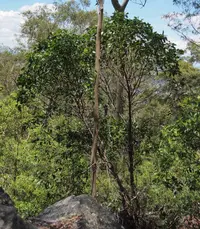
This desert gooseberry is native to arid regions of the southwestern United States, especially Arizona, where it often grows on rocky slopes, canyon rims, and dry woodlands rather than in moist forest habitats typical of many other Ribes species.
Its leaves and young stems are covered with fine hairs that give a soft, velvety texture, an adaptation that helps reduce water loss and protect tissues from intense sun and drying winds in desert environments.
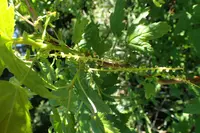
The plant develops spines at the nodes along its branches, which likely help deter browsing animals from eating both the shoots and the developing berries.
The berries are edible and have been used as traditional wild food, usually cooked or made into jams and jellies due to their tart flavor. Always identify the shrub correctly and avoid fruit from contaminated roadsides or sprayed areas.
Keep your plants happy and healthy with plant identification, disease detection, and easy care guidance.