Wolf's currant Care (Ribes wolfii)

Wolf's currant

About Wolf's currant

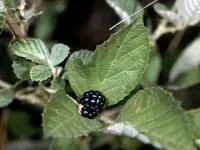
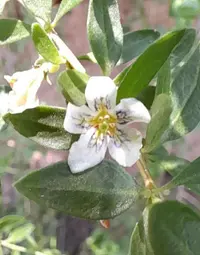
Wolf's currant, Ribes wolfii, is a deciduous shrub native to mountain regions of western North America. It typically forms an upright, multi-stemmed clump with dense branching. Leaves are lobed and softly textured, and the plant produces small clusters of flowers followed by dark berries that attract wildlife. Growth is generally moderate, and the shrub develops a natural, informal shape rather than a tightly clipped outline. This species usually favors cool summers, well-drained soil, and consistent moisture, making it better suited to temperate climates than very hot or dry sites. Gardeners who learn how to care for Wolf's currant often value it for habitat plantings and naturalistic landscapes.

Main Plant Requirements

Care Difficulty

Moderate Care

Light Preference

Partial Sun

Water Requirements

Moderate Water

Temperature Preference

Cold Hardy

Hardiness Zone

3–7

Soil Texture

Loamy, Sandy, Rocky

Soil pH

Acidic (5.5–6.5), Slightly acidic (6.5–7.0)

Soil Drainage

Moist but well-drained

Fertilization

Minimal (feed rarely)

Get Personalized Care Plan

Scan your plant to receive care tips personalized for your specific plant

Available on iOS and Android

How to Care for the Wolf's currant

This mountain shrub prefers cool conditions with several hours of direct light but benefits from some daily shade.

  • Provide 4–6 hours of direct sun, ideally morning sun with light afternoon shade, especially at lower elevations or warmer sites.
  • Allow dappled or partial shade (around 40–60% shade) in hotter climates to reduce leaf scorch and stress during summer.
  • Avoid deep shade, which reduces flowering and fruit set; in very shaded locations, thin nearby plants or trees to increase light penetration.

This species prefers consistently moist but not saturated soil, especially during the growing season.

  • Before watering, let the top 3–5 cm of soil dry, then water deeply so moisture reaches the root zone without leaving the ground soggy.
  • In spring and early summer, check soil every few days during dry spells; in cool or rainy periods, delay watering until the surface feels dry to the touch.
  • Watch for yellowing, soft leaves as a sign of overwatering, and drooping, dry-edged leaves as a sign that Ribes wolfii needs more moisture.

This cold-hardy shrub is adapted to cool, montane climates with marked seasonal changes.

  • Optimal growth occurs around 55–75°F (13–24°C), with vigorous shoot and leaf development in cool springs and mild summers.
  • Established plants tolerate winter lows near -20°F (-29°C) when dormant, but young plants benefit from mulch to protect shallow roots from deep freezes.
  • During hot spells above 85°F (29°C), provide soil moisture and some afternoon shade to limit heat stress and reduce risk of leaf scorch.

This species is naturally tolerant of relatively dry air and does not have strict humidity requirements.

  • Aim for ambient outdoor humidity around 30–60%, which most temperate gardens provide without adjustment.
  • Leaves that scorch at the edges or curl during hot, windy spells indicate low-humidity stress combined with heat or drought.
  • In very arid microclimates, reduce humidity stress by mulching the root zone and providing light wind protection rather than misting.

Ribes wolfii prefers cool, moist, well-structured mineral soil that drains freely yet retains some consistent moisture.

  • Use a loamy mix with 40–60% garden soil, 20–30% finished compost, and 10–20% coarse sand or fine gravel to improve structure.
  • Aim for slightly acidic to neutral pH around 6.0–7.0, avoiding strongly alkaline conditions that can reduce nutrient availability.
  • Ensure drainage is moderate to rapid; water must infiltrate quickly without pooling for more than a few minutes on the surface.
  • Avoid heavy, compacted clay or waterlogged sites; improve such areas by raising the planting bed and incorporating coarse organic matter for aeration.

This species can be grown in containers for a limited period, mainly in cooler climates or for young plants.

  • Choose a large, deep container (at least 40–50 cm diameter) to accommodate a spreading root system and reduce rapid drying.
  • Select a heavy, stable pot material such as thick-walled clay to prevent tipping in wind as the shrub gains height.
  • Use a free-draining mix and elevate the pot slightly on feet so excess water clears quickly from the drainage holes after rain or irrigation.

This native shrub generally needs minimal feeding, but light fertilization can support growth on poor soils.

  • Apply a balanced slow-release or organic granular fertilizer (around 10-10-10) once in early spring as new growth starts.
  • Use a modest dose at 1/2 label strength to avoid lush, weak shoots in Wolf's currant.
  • Supplement with a thin layer of compost around the root zone for long-term nutrients and soil health.
  • Stop feeding by late summer and avoid fertilizing during fall and winter dormancy.

Pruning helps maintain structure, health, and flowering performance in Ribes wolfii.

  • Carry out main pruning in late winter or very early spring before bud break.
  • Remove dead, damaged, crossing, or inward-growing stems first to open the center to light and air.
  • Thin out some of the oldest stems at ground level to encourage vigorous new shoots and better flowering wood.
  • Use clean, sharp bypass pruners and make cuts just above outward-facing buds or down to a healthy side branch.

This shrub is usually grown in the ground, with transplanting more common than container repotting.

  • Transplant in early spring or early fall when temperatures are mild and soil is workable.
  • Move plants only when necessary, such as poor performance, overcrowding, or roots circling a container.
  • Dig a wide hole, keep the root ball intact, and set Ribes wolfii at the same soil depth as before.
  • Water deeply after planting, then keep soil evenly moist for several weeks to reduce transplant shock.

Ribes wolfii is most often propagated by cuttings, seeds, or simple layering.

  • Take semi-hardwood cuttings in mid to late summer and root them in moist, well-drained, low-nutrient mix.
  • Provide bright, indirect light and high humidity (60–70%) for cuttings until roots form.
  • Sow stratified seeds in fall or late winter, using a cold period to improve germination.
  • Pin low, flexible stems to the soil for layering, then sever and transplant once a strong root system develops.

This species is generally cold hardy in suitable climates and needs little specialized winter care.

  • Tolerates typical winter frosts once established, provided soil drains freely.
  • Apply a 5–8 cm layer of organic mulch over the root zone in late fall, keeping it clear of stems.
  • In very exposed or windy sites, use windbreaks or snow fencing to reduce stem desiccation.

Care Tips

Wildlife-friendly spacing

Plant shrubs with 1–1.5 m between centers to allow airflow while still forming a loose thicket that supports birds and pollinators and reduces fungal issues on the inner canopy.

Stem renewal rotation

Every 2–3 years, remove a portion of the oldest, darkest stems at ground level in late winter so younger shoots receive better light and produce stronger flowering and fruiting wood.

Targeted mulch strip

Maintain a 5–8 cm deep mulch ring that stops 5–8 cm short of the stems to keep roots cool and moist while preventing bark rot and vole damage at the crown.

Fruit cluster management

After good pollination, thin dense fruit clusters slightly on young or stressed plants so remaining berries size up better and the shrub does not exhaust itself in one season.

Low-input pest scouting

From spring through midsummer, inspect leaf undersides and soft new growth weekly for aphids, sawfly larvae, or powdery mildew and spot-treat early with a firm water spray or labeled low-toxicity products, which is more effective than reactive treatments when caring for Wolf's currant.

Common Pests and Diseases

Currant blister aphid

This pest causes yellow, red, or orange blister-like swellings on the upper leaf surface and can distort new growth. These insects feed on leaf sap, which weakens the shrub and reduces vigor.

Solution

Prune and destroy heavily distorted leaves early in the season and encourage airflow so foliage dries quickly. For active infestations, wash undersides of leaves with a strong stream of water, then apply insecticidal soap or a horticultural oil labeled for currants, repeating every 5–7 days as needed while monitoring new growth closely.

Currant fruit fly

This pest lays eggs in developing berries; larvae tunnel inside and cause fruit to become soft, discolored, and prone to dropping. Symptoms include wormy fruit and reduced usable yield.

Solution

Collect and destroy all infested and fallen berries to interrupt the life cycle, and rake or lightly cultivate soil under plants after fruit drop to expose pupae to predators and weather. In regions with chronic problems, use fine mesh or row covers before adult flies emerge, and time any approved bait sprays to coincide with early fruit development based on local extension guidance.

Powdery mildew

This disease produces a white, powdery coating on leaves, young stems, and sometimes fruit, leading to leaf curling and reduced shoot growth. In severe cases, photosynthesis drops and the plant becomes more susceptible to winter damage.

Solution

Remove and discard infected leaves and shoot tips during the season and clean up all fallen leaves in autumn to reduce overwintering spores. Improve spacing and pruning to increase light and airflow, avoid overhead watering, and treat emerging infections with sulfur or potassium bicarbonate products labeled for currants, applied according to label directions at 7–14 day intervals during humid periods.

White pine blister rust

This disease causes yellow to orange spots on leaves and orange, blister-like spore masses on stems, and can lead to dieback of shoots. The fungus alternates between currants and white pines, so it is a concern in regions where both hosts occur.

Solution

Inspect plants regularly and prune out infected shoots several inches below visible symptoms, disinfecting tools between cuts with 70% alcohol. Avoid planting near susceptible white pines, remove volunteer Ribes hosts nearby where legal and practical, and follow regional guidelines for Ribes wolfii care in areas with known blister rust pressure.

Currant sawfly

This pest appears as green, caterpillar-like larvae that skeletonize leaves, often stripping foliage rapidly in late spring or early summer. Symptoms include ragged leaves with only veins remaining and sudden defoliation on lower branches first.

Solution

Check foliage frequently in spring, hand-pick or shake larvae onto a tarp and destroy them before populations build, and encourage birds and beneficial insects. For heavy infestations, use a horticultural soap or a spinosad-based product labeled for sawflies, making sure to treat in the evening to reduce impact on pollinators and repeat as larvae reappear.

Interesting Facts

Mountain stream specialist

Ribes wolfii is native to moist canyon bottoms and stream banks in the northern Rocky Mountains, where it often grows close to cold, fast-flowing water and tolerates periodic flooding better than many other currant species.

Distinctive bristly stems

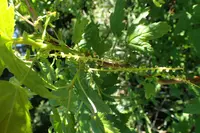
This species has noticeably bristly or glandular-hairy young stems and leaf stalks, a trait that helps botanists distinguish it from similar North American currants in the field.

Important wildlife resource

Its dark berries are a valued late-season food for birds and small mammals in montane habitats, and the shrub also provides cover and nesting structure in riparian thickets.

FAQs about Wolf's currant

The flowers are small but nectar-rich and strongly favored by native bees, bumblebees, and some butterflies. In spring, it can be an important food source, so avoid using systemic insecticides that contaminate nectar and pollen.

Grow Healthy Plants with Botan Care

Keep your plants happy and healthy with plant identification, disease detection, and easy care guidance.

Botan plant care app — identify plants on mobile

Explore More Plants