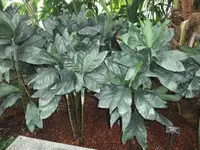
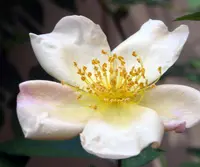
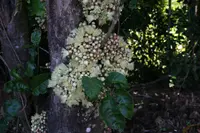
Maile Care (Alyxia stellata)

Maile

About Maile

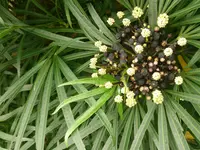
Maile (Alyxia stellata) is a twining woody vine native to Hawaii, where it grows in forests and shrublands from low to middle elevations. It is best known for its fragrant, narrow leaves and small white star-shaped flowers, followed by dark berries.

In cultivation, maile is often trained on trellises or supports, forming a loose, elegant curtain of foliage. It grows slowly to moderately and can be somewhat particular about consistent moisture and protection from harsh conditions.

This species prefers bright, filtered light, well-drained soil, and steady, gentle care, which makes it moderately challenging for beginners learning how to care for Maile.

Main Plant Requirements

Care Difficulty

Moderate Care

Light Preference

Partial Sun

Water Requirements

Moderate Water

Temperature Preference

Tropical / Frost Sensitive

Hardiness Zone

11–12

Soil Texture

Sandy, Loamy, Organic-rich

Soil pH

Acidic (5.5–6.5), Slightly acidic (6.5–7.0)

Soil Drainage

Well-drained

Fertilization

Minimal (feed rarely)

Get Personalized Care Plan

Scan your plant to receive care tips personalized for your specific plant

Available on iOS and Android

How to Care for the Maile

Alyxia stellata prefers bright, gentle light that mimics its native forest-edge habitat.

  • Provide 4–6 hours of morning sun with light shade or filtered light from midday onward to prevent leaf scorch.
  • Plant where it receives bright partial shade; strong afternoon sun in hot summers can bleach or crisp foliage, especially in dry, exposed spots.
  • In winter, give the sunniest site available; in summer, watch for yellowing or crispy leaf edges as signs of excess sun, and sparse growth as a sign Maile is too shaded.

This species prefers consistently lightly moist, never soggy, soil.

  • Water when the top 2–4 cm of soil feels dry, then soak the root zone thoroughly and allow excess to drain away.
  • Use well-drained soil or a raised bed; soggy or compacted ground leads to yellowing leaves, soft stems, and possible root rot in Alyxia stellata.
  • Reduce watering during cooler months, but do not let the root zone bone-dry; limp, curling leaves indicate thirst, while blackened roots or a sour smell indicate overwatering.

This plant thrives in warm, frost-free conditions similar to lowland tropical climates.

  • Aim for 65–80°F (18–27°C) for active growth, with best vigor in the warmer part of this range when soil moisture is stable.
  • Protect from cold; growth slows below 60°F (16°C), and damage can occur near 40°F (4°C), so avoid planting in known frost pockets.
  • Alyxia stellata tolerates brief heat up to about 90°F (32°C) if shaded during peak sun and kept evenly moist, but prolonged extremes and hot, dry winds stress the plant.

This species appreciates moderate humidity and benefits from stable moisture levels in the air.

  • Aim for 50–60% humidity, similar to a mild tropical environment, for steady growth.
  • Maile tolerates brief dips to 35–40% but prolonged dry air can slow growth and reduce leaf gloss.
  • Low humidity stress appears as browning leaf tips and edges; increase humidity with grouped plants or a pebble tray.

Alyxia stellata prefers a loose, well-drained mix that stays lightly moist but never waterlogged.

  • Use a mix of 50% peat- or coco-based potting substrate, 25% fine bark, and 25% perlite or pumice for structure and airflow.
  • Aim for slightly acidic to neutral pH around 6.0–7.0 to support nutrient availability and root health.
  • Ensure rapid drainage; water should exit the pot within seconds rather than pooling on the surface.
  • Avoid dense clay, compacted mixes, or high-silt soils that stay wet and exclude oxygen from the root zone.

This species adapts well to container culture when given support and controlled moisture.

  • Choose a deep, heavy container that resists tipping as vining growth becomes more top-heavy over time.
  • Install a trellis or vertical support in the pot from the start so roots are not disturbed later when training stems.
  • Select slightly porous materials like unglazed clay if overwatering is a risk, as they allow faster evaporation from the root zone.

This Hawaiian twining shrub benefits from light, consistent feeding in pots but usually needs little help in rich garden soil.

  • Use a balanced, diluted liquid fertilizer (such as 10-10-10 at 1/2 strength) every 4–6 weeks during spring–summer for Maile in containers.
  • In the ground, focus on organic matter like compost applied as a thin top-dress once in spring.
  • Reduce or stop feeding in fall–winter when growth slows, especially in cooler regions.
  • Flush pots with plain water occasionally to prevent salt buildup from repeated fertilizer use.

Thoughtful pruning keeps Alyxia stellata compact, well-shaped, and flowering well on supports or as a hedge.

  • Prune lightly just after main flowering flush, removing dead, damaged, or crossing stems first.
  • Shorten overly long vines to maintain the desired outline and encourage branching near the base.
  • Use sharp, clean bypass pruners to make angled cuts just above a leaf node.
  • Avoid heavy renovation cuts in very hot or very dry weather to reduce stress and dieback.

This species is more often planted in the ground, but container plants and young transplants still benefit from careful handling.

  • Plan transplanting or upsizing for late winter to early spring, before strong new growth begins.
  • Look for roots circling the pot drainage holes, pot-bound soil, or slowed growth as cues to move to a container 2–5 cm wider.
  • Gently loosen circling roots and set the plant at the same depth in a well-drained mix, then water thoroughly.
  • Shade and shelter the plant for 3–7 days after moving, keeping soil evenly moist to limit transplant shock.

New Alyxia stellata plants are most commonly produced from semi-ripe cuttings, with seeds used less often.

  • Take semi-ripe stem cuttings in late spring–summer, 8–12 cm long, with 2–3 leaf nodes.
  • Remove lower leaves, dip the base in rooting hormone, and insert into a free-draining mix kept at 70–80°F and high humidity.
  • Provide bright, indirect light and gentle bottom warmth if possible to encourage steady root formation.
  • Sow fresh seed in a similar loose mix, keeping it just moist and warm; germination may be slow and uneven.

This warm-climate shrub is frost sensitive and needs protection in regions with cold winters or occasional freezes.

  • In mild, frost-free areas, normal garden conditions are usually sufficient through winter.
  • Where light frosts occur, mulch the root zone 5–8 cm deep with bark or compost to buffer temperature swings.
  • Wrap exposed stems with horticultural fleece during predicted freezes, especially on young plants.
  • Move container-grown plants into a bright, frost-free space when temperatures approach 32°F.

Care Tips

Provide climbing support

Install a sturdy trellis, wire, or fence and loosely tie new vines with soft ties so the plant can climb and form the traditional long, straight garlands prized in Hawaiian use.

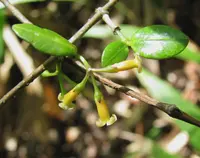
Guide for dense foliage

Pinch or lightly tip-prune young vine ends several times during the growing season to encourage branching and create a fuller, leafier screen rather than a few long, bare stems.

Protect from strong wind

In exposed gardens, place the plant behind a fence or hedge or use windbreak fabric, since persistent strong wind can cause leaf scorch and break young vines.

Mulch the root zone

Apply a 5–8 cm layer of coarse organic mulch around, but not touching, the stem to keep roots cool, stabilize soil moisture, and reduce weed competition around the vine.

Monitor for sap-suckers

Inspect stems and leaf undersides monthly for scale insects and mealybugs, and if found, spot-treat early with horticultural oil according to label directions to avoid stunted growth while growing Maile.

Common Pests and Diseases

Scale insects

This pest feeds on stems and leaves, sucking sap and causing yellowing, leaf drop, and sticky honeydew on Maile vines. These insects are a frequent problem on Alyxia stellata in warm, sheltered sites and can weaken plants over time.

Solution

Prune out heavily infested stems, then wipe remaining scale with a cotton pad dipped in 70% isopropyl alcohol or insecticidal soap, repeating every 7–10 days until new growth appears clean. Improve air movement around the plant and avoid excess nitrogen fertilizer, which encourages soft, scale-prone growth, as part of long-term Alyxia stellata care.

Mealybugs

This pest appears as white, cottony clusters in stem joints and along young shoots, causing distorted growth and honeydew that can lead to sooty mold. These insects often hide in dense foliage and can spread between nearby plants.

Solution

Isolate affected plants, then gently wash foliage and stems with a strong stream of water to dislodge pests, followed by spot treatment with insecticidal soap or neem oil, focusing on leaf axils and undersides. Repeat treatments weekly until no new mealybugs are visible and check nearby plants to prevent reinfestation.

Cercospora leaf spot

This disease causes small, dark, often circular spots on leaves that can merge into larger blotches, sometimes with yellow halos. Symptoms include premature leaf drop, especially on older foliage in humid or shaded conditions.

Solution

Remove and dispose of affected leaves, avoid overhead watering, and keep foliage as dry as possible to slow spread. For plants repeatedly affected outdoors, improve spacing and airflow and, if needed, apply a labeled copper or chlorothalonil fungicide during warm, wet periods according to local regulations.

Sooty mold

This disease appears as a black, soot-like coating on leaves and stems, growing on the honeydew produced by sap-sucking insects such as scale or mealybugs. Symptoms include dull, dirty-looking foliage and reduced photosynthesis, which can slow growth.

Solution

First control the underlying honeydew-producing insects, then gently wash affected leaves with lukewarm water and a small amount of mild liquid soap to remove the mold film. Improve light and airflow so foliage dries quickly after rain or irrigation, which helps prevent repeated buildup.

Interesting Facts

Hawaiian forest liana

This species is a woody climbing vine native to Hawaii, where it naturally twines through mesic and dry to moist forests from low elevations up into montane zones.

Fragrant traditional lei

The plant is a classic lei material in Hawaii; its tough, flexible, pleasantly scented stems and leaves have long been braided and woven into durable lei used in ceremonies and celebrations.

Milky latex sap

When stems or leaves are damaged, they exude a white, milky latex, a common trait in the dogbane family Apocynaceae that helps seal wounds and deter herbivores.

Botan icon

Did you know?

In Hawaiian culture, maile holds strong symbolic value and is closely associated with peace agreements, important alliances, and significant life events such as weddings and graduations, where maile lei are among the most honored forms of adornment.

FAQs about Maile

This species performs best outdoors in warm, frost‑free climates with bright light and good air movement. Maile indoor care is possible in bright, humid conditions, but growth is slower and flowering and fragrance are usually reduced.

Grow Healthy Plants with Botan Care

Keep your plants happy and healthy with plant identification, disease detection, and easy care guidance.

Botan plant care app — identify plants on mobile

Explore More Plants