Fan-shaped training
Train young canes outward and slightly fanned along wires or a fence, securing them loosely with soft ties to increase flowering along the stems and keep the shrub open to light and air.

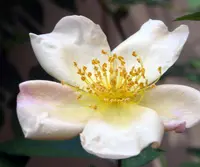
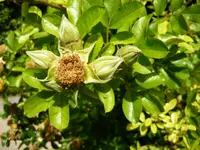
Rosa 'Mutabilis', often called the butterfly rose, is a vigorous old garden shrub rose known for its constantly changing flower colors. Blooms open soft yellow, then shift through pink to deep rose, so a single plant can display several colors at once.
This rose forms an airy, arching shrub with small, healthy foliage and a naturally open habit, making it suitable for mixed borders or informal hedges. It originated from China and adapts well to many warm and mild temperate climates.
Rosa 'Mutabilis' is valued for good disease resistance and steady flowering, so it is considered relatively easy to grow if basic needs are met. Those learning how to care for Rose can expect best results in sunny sites with well-drained soil and regular moisture.

Care Difficulty
Moderate Care

Light Preference
Full Sun

Water Requirements
Regular Water

Temperature Preference
Cold Hardy

Hardiness Zone
6–9

Soil Texture
Sandy, Loamy, Clay

Soil pH
Acidic (5.5–6.5), Slightly acidic (6.5–7.0)

Soil Drainage
Moist but well-drained

Fertilization
Moderate (every 2–4 weeks)
Scan your plant to receive care tips personalized for your specific plant
Available on iOS and Android
This shrub rose performs best in open, bright positions with consistent sun exposure.
This rose prefers deep, infrequent watering that keeps roots moist but never waterlogged.
This rose is hardy and adapts to a wide range of outdoor temperatures when planted in the ground.
This shrub rose handles a wide humidity range but prefers moderately moist air.
Rosa 'Mutabilis' prefers deep, well-drained, fertile ground with a balanced structure.
This rose can be grown successfully in large, stable containers outdoors.
This shrub rose responds well to moderate, targeted feeding rather than heavy fertilization.
Thoughtful pruning keeps Rosa 'Mutabilis' flowering well and maintains an airy, graceful framework.
This rose is usually grown in the ground, so focus on careful transplanting and only occasional container repotting.
Rosa 'Mutabilis' is most often propagated from cuttings to preserve its distinct flower form and color change.
This shrub rose is moderately cold hardy but benefits from simple winter care in colder regions.

Plant Health Check
Not sure what's wrong with your plant? Check your plant's health inside the app.
The flowers open a soft apricot-yellow, then shift through pink to a deep crimson as they age, so a single shrub often shows multiple colors at once. This color change is due to changing concentrations and oxidation of anthocyanin pigments in the petals over time.
Unlike many old garden roses that flower only once, this China rose produces flushes of blooms repeatedly from late spring to frost in suitable climates. The shrub forms new flower buds while older flowers are still on the plant, giving an almost uninterrupted display.
The simple, single flowers with 5 petals leave the central stamens exposed, making nectar and pollen easily accessible to bees and other insects. This open structure, combined with prolonged blooming, provides a long-season food source for urban and garden pollinators.

This cultivar, first recorded in the late 19th or early 20th century and likely of Chinese origin, has been important in breeding and collection programs because its dramatic color-shifting flowers illustrate how changes in petal pigment chemistry can be expressed visually on a single plant over time.
Lack of blooms usually comes from insufficient light, heavy pruning at the wrong time, or nutrient imbalance, especially excess nitrogen. Old, exhausted wood and severe drought or waterlogging also reduce flowering. Regular deadheading helps maintain repeat blooms.
Keep your plants happy and healthy with plant identification, disease detection, and easy care guidance.