Wire support system
Install a simple 2–3 wire trellis at 45–60 cm intervals so canes can be tied loosely with soft ties, which improves light penetration, air flow, and fruit quality while keeping canes off the ground.

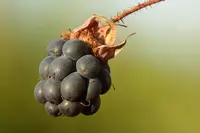
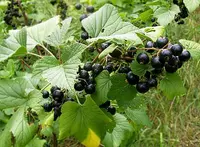
Dewberry, Rubus caesius, is a low-growing bramble closely related to blackberry. It typically forms arching or trailing canes with small clusters of white flowers followed by blue-black, waxy berries.
This species is native to Europe and parts of western Asia, often growing in hedgerows, woodland edges, and open scrub. Its growth is vigorous but usually less dense than blackberry, which can make it slightly easier to manage in gardens.
It prefers sun to light shade, moderately moist but well-drained soil, and benefits from some support or space to sprawl. Understanding how to care for Dewberry mainly involves managing its spreading habit and providing suitable light and soil conditions.

Care Difficulty
Moderate Care

Light Preference
Full Sun

Water Requirements
Moderate Water

Temperature Preference
Cold Hardy

Hardiness Zone
3–8

Soil Texture
Sandy, Loamy, Organic-rich

Soil pH
Acidic (5.5–6.5), Slightly acidic (6.5–7.0)

Soil Drainage
Moist but well-drained

Fertilization
Minimal (feed rarely)
Scan your plant to receive care tips personalized for your specific plant
Available on iOS and Android
Rubus caesius grows best in locations with plenty of light but protection from harsh midday sun.
Rubus caesius prefers consistently moist, well-drained soil rather than extremes of dryness or saturation.
This hardy bramble tolerates a wide temperature range but performs best in moderate conditions.
Humidity is rarely a concern for Rubus caesius, which adapts well to typical outdoor air in most regions where Dewberry is grown.
Rubus caesius prefers loose, moderately moist, well-drained soil that does not stay waterlogged or compacted.
This species can be grown in containers if the pot provides enough volume and stability for its spreading canes.
Rubus caesius benefits from modest feeding to support cane growth and fruiting, especially in poorer soils.
Thoughtful pruning keeps Rubus caesius productive, manageable, and healthier over time.
This species is usually grown in the ground, so focus on transplanting young plants and managing spreading canes.
Rubus caesius is commonly propagated to expand productive patches or replace aging plants.
This bramble is generally cold hardy and needs only modest winter care in most temperate climates.

Plant Health Check
Not sure what's wrong with your plant? Check your plant's health inside the app.
This dewberry species is naturally distributed across much of central and northern Europe, where it typically grows in hedgerows, woodland edges, and riverbanks, often forming low thickets rather than tall bramble canes.
Its blue-black fruits are covered with a noticeable pale, waxy coating called a bloom, which helps reduce water loss and can protect the berries from some surface pathogens.
Unlike many upright blackberries, its stems are low, arching to trailing, and often root when they touch the ground, allowing the plant to slowly spread across open soil and stabilize loose banks.

In several European countries, this species is recognized as an important wild relative of cultivated blackberries and raspberries and is included in genetic resource conservation programs because its genes may help breeders improve cold tolerance and disease resistance in commercial Rubus crops.
This species spreads by arching canes that root where they touch soil and by underground runners. In suitable conditions it can form dense thickets, so edging, mowing, or barriers help keep growth within bounds.
Keep your plants happy and healthy with plant identification, disease detection, and easy care guidance.