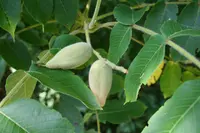
Wilga Care (Geijera parviflora)

Wilga

About Wilga

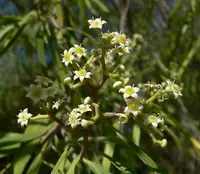
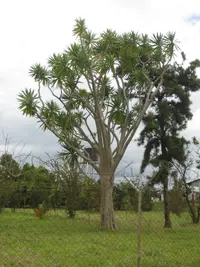
Wilga, Geijera parviflora, is an evergreen tree or large shrub native to arid and semi-arid regions of inland Australia. It is often found along watercourses and on dry plains. The plant has slender, weeping branches with narrow, aromatic leaves and small white flowers, giving it a fine, graceful appearance.

This species is adapted to hot, dry climates and poor, well-drained soils, which makes it quite tolerant of drought once established. It grows slowly but steadily and is generally low-maintenance when given full sun and good drainage. These traits make it a practical choice for those who want to learn how to care for Wilga in challenging climates.


Main Plant Requirements

Care Difficulty

Moderate Care

Light Preference

Full Sun

Water Requirements

Low Water

Temperature Preference

Warm Climate

Hardiness Zone

9–11

Soil Texture

Sandy, Loamy, Rocky

Soil pH

Slightly acidic (6.5–7.0), Slightly alkaline (7.0–7.5)

Soil Drainage

Well-drained

Fertilization

Minimal (feed rarely)

Get Personalized Care Plan

Scan your plant to receive care tips personalized for your specific plant

Available on iOS and Android

How to Care for the Wilga

Geijera parviflora prefers bright, open conditions similar to its native dry woodland habitat.

  • Provide 6–8 hours of full sun daily; light morning sun with some protection from intense late afternoon summer sun suits Wilga best.
  • In hotter regions, allow light or dappled shade from about 2–4 pm to reduce leaf scorch, especially on young or recently transplanted trees.
  • If growth becomes sparse or lanky, increase sun exposure by thinning overhead shade or relocating to a more open, unshaded position.

This drought-tolerant tree prefers deep, infrequent watering once established.

  • Outdoors in the ground, water deeply only when the top 5–8 cm of soil are dry and leaves start to lose some gloss or slight turgor.
  • During the first 1–2 growing seasons, water more often in hot, dry periods, but let soil drain freely and avoid standing water around the root zone.
  • Reduce watering in cool seasons; yellowing soft leaves, dieback from the tips, or persistent damp soil indicate overwatering in Geijera parviflora.

This species is adapted to warm, dry climates with mild winters.

  • Optimal growth occurs around 68–86°F (20–30°C), with steady performance in typical warm temperate to subtropical conditions.
  • Mature trees tolerate brief dips near 24–26°F (-4 to -3°C), but young plants are more frost-sensitive and benefit from protection below 32°F (0°C).
  • In heatwaves above 100°F (38°C), ensure soil is mulched, avoid pruning stress, and prioritize morning watering to reduce heat stress.

Humidity is rarely a concern for this drought-adapted species.

  • Wilga tolerates very dry air and is comfortable at 20–40% humidity in most heated homes.
  • Leaf tip browning with otherwise firm, gray-green leaves more often indicates underwatering or root issues than low humidity.
  • No special humidity-raising measures are needed; avoid placing the plant in persistently damp, unventilated spaces.

Geijera parviflora prefers lean, well-drained soil that mimics its native dry habitats.

  • Use a sandy or gritty loam with at least 40–60% mineral material such as coarse sand, fine gravel, or decomposed granite.
  • Aim for slightly acidic to neutral pH, around 6.0–7.5, which supports stable nutrient availability for this species.
  • Improve aeration and drainage in heavier mixes by adding coarse sand and small gravel rather than large amounts of peat or compost.
  • Avoid dense, water-retentive mixes and low spots where water lingers, as persistent wetness increases risk of root rot.

This species can adapt to container growing, mainly for young plants or where in-ground planting is not possible.

  • Choose a deep, heavy pot to balance the developing woody canopy and reduce tipping in strong winds.
  • Select a mineral-rich, fast-draining mix and elevate the container slightly so drainage holes stay clear and water exits quickly.
  • Position the container in a full-sun, heat-reflective spot to prevent slow, waterlogged drying that the roots do not tolerate.

Geijera parviflora is low-demand but benefits from light feeding in poor or container soils during active growth.

  • Use a balanced slow-release fertilizer (for example 10-10-10) or well-aged compost applied in early spring.
  • Feed outdoor trees once per growing season; potted plants can receive a half-strength liquid balanced NPK every 4–6 weeks in spring–summer.
  • Avoid fertilizing in late fall–winter, as growth slows and excess nutrients may stress roots.
  • For Wilga in lean native soils, keep rates low to maintain natural, drought-tolerant growth.

Pruning Geijera parviflora is usually light and focused on maintaining structure and clearance.

  • Carry out main pruning in late winter to early spring before strong new growth begins.
  • Remove dead, diseased, crossing, or storm-damaged branches with clean, sharp bypass pruners or a pruning saw.
  • Thin congested inner branches carefully to improve airflow and light penetration without over-opening the canopy.
  • Use selective cuts to lift the canopy or shape the outline, avoiding heavy topping that weakens the tree.

This species is most often grown in the ground, so focus on careful transplanting rather than frequent repotting.

  • Transplant young trees in late winter to early spring when soil is workable and temperatures are mild.
  • Look for signs such as roots circling a nursery pot, distorted drainage holes, or noticeably slowed growth before moving a container plant.
  • Shift to a container 1–2 sizes larger, using a free-draining mix, and disturb roots as little as possible to limit shock.
  • Water thoroughly after transplanting, provide partial shade for 1–2 weeks, and keep soil evenly moist but not saturated until new growth resumes.

Propagation of this species is feasible but slow, so it is usually done by specialists or patient growers.

  • Sow fresh seeds in late winter–spring in a well-drained, sandy seed mix kept around 68–75°F.
  • Lightly cover seeds, maintain even moisture, and expect germination to be gradual and sometimes uneven.
  • Semi-hardwood cuttings taken in late summer can root under high humidity with bottom heat and rooting hormone.
  • Provide bright, indirect light and excellent air movement to limit fungal problems during rooting and early establishment.

Geijera parviflora is suited to mild-winter climates and needs protection in regions with hard frosts.

  • Mature trees tolerate light frosts, but young plants are more sensitive to prolonged freezing conditions.
  • Apply a 5–8 cm mulch layer around the root zone, keeping it slightly away from the trunk, to buffer soil temperature.
  • Wrap young trunks with breathable frost cloth or horticultural fleece during predicted freezes to reduce bark damage.
  • Grow Geijera parviflora in containers in colder zones and move indoors or into a frost-free greenhouse for winter.

Care Tips

Wind-hardening young plants

In the first 1–2 years, gradually expose young trees to stronger wind by reducing shelter or staking tension so the trunk and root system develop the flexibility and strength needed for long-term stability in exposed sites.

Deep root training

Encourage a deep, drought-resilient root system by using infrequent but thorough soakings and keeping mulch slightly pulled back from the trunk to prevent surface rooting and collar rot.

Canopy-thinning maintenance

Every 2–3 years, selectively remove a few small interior branches instead of tip-pruning the whole plant to maintain an airy canopy that resists wind damage and reduces fungal issues around dense foliage.

Low-branch retention

On young trees, retain some lower lateral branches for several seasons to thicken the trunk and improve taper, then gradually remove them as the desired canopy height is reached.

Site-adapted spacing

When growing Wilga in dry, open landscapes, allow generous spacing from other trees and structures so the naturally pendulous branches have room to develop their full form and reduce competition for limited moisture.

Common Pests and Diseases

Myrtle rust

This disease causes bright yellow to orange powdery pustules on young leaves, shoots, and sometimes stems, leading to leaf distortion and dieback. Symptoms include premature leaf drop and thinning of the canopy in severe cases.

Solution

Prune and destroy affected shoots as soon as pustules are seen, and avoid overhead watering that keeps foliage wet. Improve spacing and airflow, and in areas where myrtle rust is established, monitor new flushes closely and consult local extension services about registered systemic fungicides suitable for Geijera parviflora care in landscape settings.

Scale insects

These insects attach to stems and leaf undersides as small dome‑shaped or flattened bumps, sucking sap and causing leaf yellowing and reduced vigor. This pest often excretes honeydew that can lead to sooty mold on foliage.

Solution

Wipe or gently scrub small colonies off stems with a soft cloth or brush dipped in mild soapy water, and prune heavily infested twigs. For larger plants, encourage natural predators, use horticultural oil or insecticidal soap thoroughly on stems and leaf undersides, and repeat treatments over several weeks to target newly hatched crawlers.

Leaf blight

This disease produces irregular brown lesions with possible dark borders on leaves, sometimes starting at the tips or margins, and can cause partial defoliation in stressed trees. Symptoms include scattered dead patches in the canopy following prolonged wet or humid weather.

Solution

Remove and dispose of fallen and heavily spotted leaves to reduce inoculum, and avoid prolonged leaf wetting from irrigation. Improve canopy airflow through selective thinning, and where disease recurs, apply a suitable foliar fungicide during wet periods according to local label directions for ornamental trees.

Longicorn borers

These insects tunnel into trunks and larger branches, creating internal galleries that weaken the wood and may lead to branch dieback or breakage. Symptoms include oozing sap, frass (sawdust‑like material), and small exit holes on the bark.

Solution

Promptly prune and destroy infested branches to remove larvae before they complete development, and make clean pruning cuts that heal quickly. Keep the tree healthy with appropriate watering and avoid trunk injuries, since borers preferentially attack stressed plants; for high‑value specimens, consult a local arborist about trunk or soil‑applied systemic insecticides where legally permitted.

Interesting Facts

Narrow aromatic foliage

Wilga has very narrow, drooping leaves that release a faint, resinous scent when crushed, helping reduce water loss in its hot, dry inland habitats.

Drought survival strategy

This species develops a deep root system that allows it to access subsoil moisture, so established trees can survive long periods with minimal rainfall in inland Australia.

Important shade tree

In its native range, wilga often grows as a scattered small tree on grazing land, providing shade and shelter for livestock and native wildlife in otherwise open, arid landscapes.

Botan icon

Did you know?

Wilga wood is dense, hard, and fine-grained, and has been traditionally valued in rural Australia for making durable tool handles and small implements where strength and resistance to wear are important.

FAQs about Wilga

This species is an evergreen tree, retaining foliage year-round rather than dropping leaves seasonally. Individual leaves can persist for several years, providing continuous screening, shade, and habitat even through periods of heat, drought, or mild cold.

Grow Healthy Plants with Botan Care

Keep your plants happy and healthy with plant identification, disease detection, and easy care guidance.

Botan plant care app — identify plants on mobile

Explore More Plants