Acanthoprasium frutescens Care

Acanthoprasium frutescens

About Acanthoprasium frutescens

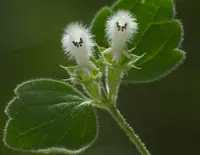
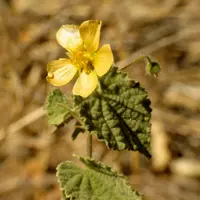
Acanthoprasium frutescens is a perennial herb in the mint family, forming low, shrubby clumps with branching stems and small, often softly hairy leaves. Its flowers are typically arranged in whorls, giving a modest but attractive display that suits naturalistic plantings more than formal borders.

This species is native to parts of the Mediterranean region, where it grows in dry, rocky, and often calcareous habitats. Its origins in tough conditions make it relatively resilient, but it still prefers well-drained soil and a sunny position. For gardeners learning how to care for Acanthoprasium frutescens, its main advantages are drought tolerance and low maintenance needs, provided the site is not overly wet or shaded.

Main Plant Requirements

Care Difficulty

Moderate Care

Light Preference

Partial Shade

Water Requirements

Moderate Water

Temperature Preference

Warm Climate

Hardiness Zone

Unknown

Soil Texture

Loamy

Soil pH

Slightly acidic (6.5–7.0)

Soil Drainage

Well-drained

Fertilization

Minimal (feed rarely)

Get Personalized Care Plan

Scan your plant to receive care tips personalized for your specific plant

Available on iOS and Android

How to Care for the Acanthoprasium frutescens

This species prefers bright outdoor conditions without intense, all-day sun exposure.

  • Provide 4–6 hours of direct morning sun, then light shade or filtered light in the afternoon to prevent leaf scorch.
  • Tolerates partial shade, but dense shade reduces flowering and causes leggy, weak growth in Acanthoprasium frutescens.
  • In regions with hot summers, use dappled shade or a light shade cloth from midday, especially from late spring through early fall.

Watering should keep the soil lightly moist but never saturated for long periods.

  • Allow the top 3–5 cm of soil to dry before watering again, using your finger to check moisture at least once a week.
  • Improve drainage with gritty or sandy soil so excess water flows out quickly, reducing the risk of root rot and yellowing leaves from overwatering.
  • In cooler seasons reduce frequency, watching for slight leaf droop or dry, pale foliage as a sign to water rather than following a fixed schedule.

Stable, mild temperatures support healthy growth and reduce stress on this plant.

  • Ideal growth occurs around 65–77°F (18–25°C), with steady conditions promoting stronger foliage and flowering.
  • Protect from frost; prolonged exposure below 28–30°F (-2 to -1°C) can damage stems and roots, especially in exposed sites.
  • Tolerates short heat spells up to about 90°F (32°C) if soil moisture is maintained, but above this provide afternoon shade and good airflow to limit stress.

This species handles a range of indoor humidity but benefits from slightly moist air.

  • Aim for 40–60% humidity to reduce leaf stress and support steady growth in Acanthoprasium frutescens.
  • It tolerates typical heated or air-conditioned room air but prolonged very dry air can lead to browning leaf tips and edges.
  • Increase humidity by grouping plants, placing the pot on a pebble tray with water below the pot base, or using a small humidifier nearby.

This plant prefers a loose, well-drained, moderately fertile growing medium.

  • Use a mix of roughly 50% peat- or coco-based potting mix, 25% coarse sand, and 25% perlite to create a slightly sandy, airy texture for Acanthoprasium frutescens.
  • Ensure free drainage so water passes through quickly, preventing waterlogging that can cause root rot and reduced oxygen around roots.
  • A slightly acidic to neutral pH around 6.0–7.0 supports nutrient availability without causing common deficiencies or toxicities.
  • Improve aeration by avoiding compaction, using coarse particles (perlite, pumice, or fine bark), and never letting the pot sit in standing water.

This species is suitable for container growing when the pot is chosen to support its root and top growth habits.

  • Select a pot just 2–4 in wider than the root ball to limit excess wet substrate that stays saturated after watering.
  • Choose a heavier clay or ceramic pot in windy outdoor spots so the container does not tip as the plant gains height and mass.
  • Use a pot with large, unobstructed drainage holes and elevate it slightly on pot feet so excess water can leave the container rapidly.

This species generally manages with modest nutrition, so use light, targeted feeding rather than heavy fertilization for Acanthoprasium frutescens.

  • Apply a balanced liquid fertilizer (around 10-10-10) at 1/2 strength every 4–6 weeks during active spring–summer growth.
  • Alternatively, use a light top-dressing of compost or a low-dose slow-release fertilizer once at the start of the growing season.
  • Skip feeding in winter or any dormant period to avoid soft, weak growth and salt buildup in the soil.

Light, periodic pruning keeps Acanthoprasium frutescens compact, healthy, and better shaped.

  • Carry out main pruning in late winter or very early spring before strong new growth starts.
  • Remove dead, diseased, or storm-damaged stems first, then thin crowded, crossing, or inward-growing branches.
  • Shorten overly long shoots to maintain a balanced outline and encourage denser branching and more flowering.
  • Use clean, sharp hand pruners and make angled cuts just above outward-facing buds or side branches.

This plant is more often grown in the ground, so focus on careful transplanting and occasional container up-potting to limit root stress.

  • Transplant or repot in early spring or early fall when temperatures are mild and soil moisture is even.
  • Look for roots circling the pot, water running quickly through, or slowed growth as signs a container plant needs more space.
  • Move up only 1 pot size, gently loosen circling roots, and keep the original soil level at the same height in the new container or planting hole.
  • Water thoroughly after transplanting, shade from strong sun for several days, and maintain even moisture until new growth resumes.

Acanthoprasium frutescens is usually propagated from semi-ripe cuttings or by seed under controlled conditions.

  • Take semi-ripe stem cuttings in late spring to midsummer, 8–10 cm long, from non-flowering shoots.
  • Remove lower leaves, dip the cut base in rooting hormone, and place in a well-draining mix of coarse sand and peat or similar medium.
  • Keep cuttings at 68–75°F in bright, indirect light with high humidity until roots form, then pot on carefully.
  • Sow fresh seed in spring in a free-draining seed mix, barely cover, keep slightly moist, and provide light and steady warmth.

Established plants are moderately cold hardy, so winter care for Acanthoprasium frutescens is usually minimal in mild climates.

  • In regions with freezing winters, apply a 5–8 cm mulch layer around the root zone, keeping it slightly away from stems.
  • Avoid heavy winter watering; keep soil just barely moist to prevent root rot.
  • For container-grown plants in colder zones, move pots to a sheltered, frost-free but cool spot with some light.

Care Tips

Controlled spreading

Install shallow root barriers or edging 10–15 cm deep around beds to prevent this stolon-forming plant from spreading into nearby plantings while still allowing a dense groundcover to develop.

Timed renewal pruning

Every 2–3 years, cut back one-third of the oldest, woodiest shoots at the base in late winter to maintain a compact habit and encourage vigorous new aromatic growth.

Harvest to stimulate growth

When taking cuttings for culinary or medicinal use, clip only the soft, non-woody tips and space harvests by 3–4 weeks to promote branching and a thicker mat of foliage.

Low-input weed suppression

Plant in close spacing, about 20–25 cm apart, to create a tight canopy that shades soil, suppresses weed germination, and reduces the need for frequent hand-weeding when growing Acanthoprasium frutescens.

Prevent woody centers

If the center of the clump starts to thin or become woody, gently lift and divide the plant in early spring, replanting the younger, vigorous outer sections and discarding the oldest central portions.

Common Pests and Diseases

Powdery mildew

This disease causes a white, powdery coating on leaves and young stems, often in warm, dry air with poor airflow. Symptoms include reduced vigor and distorted new growth.

Solution

Remove and discard heavily infected leaves, then thin or prune surrounding vegetation to improve airflow around plants. Avoid overhead watering, water at the base in the morning, and if needed apply a sulfur or potassium bicarbonate fungicide labeled for ornamental Lamiaceae, following label directions carefully as part of broader Acanthoprasium frutescens care instructions.

Downy mildew

This disease produces yellow to pale patches on the upper leaf surface and grey to purplish fuzz on the undersides, especially in cool, humid conditions. Symptoms include leaf drop and general decline when infections are severe.

Solution

Promptly remove and destroy affected foliage, and reduce leaf wetness by watering at soil level and spacing plants to increase airflow. In areas with recurring issues, use a phosphonate or copper-based fungicide labeled for ornamental herbs at the first sign of spotting, and avoid overhead irrigation in the evening.

Leaf spot

This disease causes small brown, tan, or purple spots on leaves that may merge into larger blotches. Symptoms include premature yellowing and shedding of older foliage under prolonged wet conditions.

Solution

Collect and dispose of fallen leaves to reduce inoculum, and avoid water splashing onto foliage by using drip or soaker hoses. For persistent problems, apply a broad-spectrum fungicide suitable for ornamental shrubs according to label instructions, and maintain good spacing and pruning to keep foliage dry and well ventilated.

Aphids

These insects cluster on tender shoots and leaf undersides, sucking sap and excreting sticky honeydew that can attract sooty mold. This pest may cause curling, yellowing, and distortion of new growth.

Solution

Dislodge colonies with a firm stream of water, repeating every few days, and remove heavily infested shoot tips. If populations remain high, use insecticidal soap or a ready-to-use horticultural oil, coating leaf undersides thoroughly while avoiding treatment during high heat or direct midday sun.

Spider mites

This pest thrives in hot, dry conditions and feeds on leaf undersides, causing fine stippling, bronzing, and in heavy cases fine webbing between leaves and stems. Symptoms include dull, dry-looking foliage and gradual decline.

Solution

Increase ambient humidity slightly and rinse foliage with lukewarm water, focusing on leaf undersides to knock down mites. For continued infestations, apply horticultural oil or insecticidal soap at 5–7 day intervals for several cycles, and reduce plant stress by maintaining consistent soil moisture and avoiding excessive nitrogen fertilization.

Interesting Facts

Eastern Mediterranean native

This small shrub is native to rocky coastal habitats in the eastern Mediterranean, especially parts of Greece and nearby regions, where it grows in dry, calcareous soils with high sun exposure.

Lamiaceae family member

It belongs to the mint family (Lamiaceae) and shows typical family traits such as opposite leaves and square stems, although it is not aromatic like many culinary mints and sages.

Rocky slope specialist

In its natural range, it often anchors itself in crevices and shallow soils on limestone slopes, showing a strong adaptation to drought, high light, and nutrient-poor substrates.

FAQs about Acanthoprasium frutescens

This species is a perennial, returning from the same root system each year. Stems may die back in colder conditions, but the crown and roots usually survive and resprout when temperatures and moisture levels improve.

Grow Healthy Plants with Botan Care

Keep your plants happy and healthy with plant identification, disease detection, and easy care guidance.

Botan plant care app — identify plants on mobile

Explore More Plants