ko'oloa 'ula Care (Abutilon menziesii)

ko'oloa 'ula

About ko'oloa 'ula

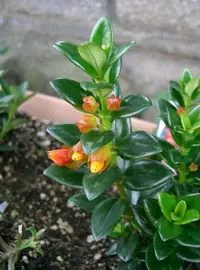
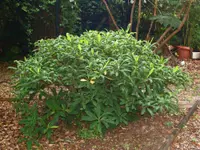
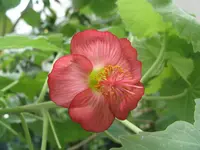
Koʻoloa ʻula (Abutilon menziesii) is a rare Hawaiian shrub known for its showy, hibiscus-like flowers in shades of red, pink, or sometimes orange. It typically grows as a small, branching shrub with soft, slightly hairy leaves and a naturally airy, open habit.

This species is native to dry, lowland areas of the Hawaiian Islands, where it is adapted to sun, wind, and limited rainfall. It is generally considered manageable for home gardeners if its needs for strong light, good drainage, and moderate watering are met.

Understanding how to care for ko'oloa 'ula mainly involves providing bright conditions, infrequent but deep watering, and a well-drained, slightly dry-leaning soil mix.

Main Plant Requirements

Care Difficulty

Moderate Care

Light Preference

Full Sun

Water Requirements

Moderate Water

Temperature Preference

Tropical / Frost Sensitive

Hardiness Zone

10–11

Soil Texture

Sandy, Loamy, Rocky

Soil pH

Slightly acidic (6.5–7.0), Neutral (7.0)

Soil Drainage

Well-drained

Fertilization

Minimal (feed rarely)

Get Personalized Care Plan

Scan your plant to receive care tips personalized for your specific plant

Available on iOS and Android

How to Care for the ko'oloa 'ula

This Hawaiian shrub needs strong light to bloom well but benefits from some protection from harsh sun.

  • Provide 6–8 hours of direct sun daily, with best performance in full morning sun and light afternoon shade, especially in hot, lowland sites.
  • Tolerates bright, open partial shade, but flowering will be reduced and stems may stretch if light drops below about 4 hours of direct sun.
  • In very hot, dry climates, caring for ko'oloa 'ula outdoors is easiest with filtered light or shade cloth during peak afternoon sun to prevent leaf scorch.

This species prefers evenly moist, fast-draining soil that dries slightly between waterings.

  • Allow the top 3–5 cm of soil to dry before watering again; in very sandy soil this may happen every few days in summer, but always check the soil rather than following a fixed schedule.
  • Use a well-drained mix or sandy ground; puddling water, a sour smell, or yellowing, limp leaves suggest overwatering and poor drainage.
  • Reduce watering in cooler months when growth slows, watching for dull, drooping leaves or crispy edges as signs the plant has stayed dry too long, especially in windy sites.

This warm-climate shrub thrives in mild, frost-free conditions year-round.

  • Best growth and flowering occur around 70–85°F (21–29°C), where stems harden well and foliage stays dense.
  • Tolerates brief heat up to about 95°F (35°C) if soil is not waterlogged and roots are shaded, but flowering may pause during extreme hot spells.
  • Highly sensitive to frost; tissue damage can occur below 32°F (0°C), and plants are usually killed by hard freezes below about 28°F (-2°C), so protect or site in frost-free coastal or lowland areas.

This species handles relatively dry air but grows best with moderate humidity.

  • Target 40–60% humidity, which suits both outdoor plants and ko'oloa 'ula indoor care in drier homes.
  • Expect curled, dull, or browning leaf edges as signs of humidity stress, especially in hot, windy conditions.
  • Increase humidity locally with nearby trays of water and pebbles or by grouping plants, rather than misting leaves directly.

This dryland shrub needs fast-draining, lean soil that does not stay wet.

  • Use a sandy or sandy-loam mix with 30–50% mineral material such as coarse sand or fine gravel for sharp drainage.
  • In containers, combine roughly 50% cactus mix with 30% coarse perlite or pumice and 20% compost for structure and nutrients.
  • Aim for slightly acidic to neutral pH, around 6.0–7.0, which suits Abutilon menziesii and keeps nutrients available.
  • Avoid heavy clay, peat-heavy mixes that stay wet, or compacted soil, as these conditions promote root rot and poor aeration.

This species is well suited to container growing in warm, bright locations.

  • Choose a wide, stable pot to support its branching, sometimes top-heavy canopy in wind-exposed sites.
  • Select a fast-draining, relatively shallow container rather than a deep one to match its dryland root habit and prevent waterlogging.
  • Use unglazed terracotta in humid or coastal climates to let excess moisture evaporate faster and reduce root disease risk.

Abutilon menziesii benefits from light, steady feeding when actively growing, especially in containers.

  • Use a balanced, slow-release fertilizer or diluted liquid feed (around 1/2 strength) for ko'oloa 'ula in spring and summer.
  • Apply every 4–6 weeks during the main growing season, skipping doses if growth is weak or soil stays wet.
  • Avoid high-nitrogen products that cause soft, leggy growth at the expense of flowers.
  • Reduce or stop fertilizing in fall and winter, particularly for outdoor or semi-dormant plants.

Pruning helps maintain a compact, flowering shape for Abutilon menziesii and improves air and light penetration.

  • Best time is late winter to early spring before strong new growth begins.
  • Remove dead, diseased, rubbing, or weak stems first using clean, sharp pruners.
  • Shorten long, arching shoots by up to 1/3 to encourage branching and more blooms.
  • Thin crowded interior stems to open the plant, reducing humidity and pest issues.

This shrub is often grown in the ground, but container Abutilon menziesii may need occasional repotting or transplanting.

  • Check for roots circling the pot, emerging from drainage holes, or slowed growth as signs it needs more space.
  • Carry out transplanting or repotting in late winter to spring, when active growth is about to resume.
  • Move up only 1 pot size and use a well-drained, slightly sandy mix to prevent waterlogging.
  • Handle the root ball gently, loosening only tight outer roots and watering deeply afterward to settle soil and reduce stress.

Abutilon menziesii is commonly propagated from semi-ripe stem cuttings and from seed under warm, bright conditions.

  • Take 7–10 cm semi-ripe cuttings in late spring to summer, removing lower leaves and any flower buds.
  • Dip cut ends in rooting hormone and place in a moist, free-draining mix under high humidity and bright, indirect light.
  • Sow fresh seed in spring at 70–75°F, lightly covered, and keep evenly moist until germination.
  • Provide gentle bottom heat and good air movement to limit rot and encourage strong early growth.

Abutilon menziesii is frost-sensitive and benefits from targeted winter protection in cooler climates.

  • In mild, frost-free areas, plants usually overwinter outdoors with minimal intervention.
  • Where light frost occurs, mulch the root zone with 5–8 cm of organic material to buffer temperature swings.
  • Move container plants indoors or into a bright, frost-free greenhouse before temperatures fall below 40°F.
  • Reduce watering in winter, keeping soil just slightly moist to prevent root rot in cool conditions.

Care Tips

Wind protection

Site the plant near a low wall, hedge, or other windbreak in open landscapes to reduce stem breakage and flower loss from strong trade winds or coastal gusts.

Low-branch training

Pinch or lightly tip-prune young shoots in late winter or early spring to encourage a compact, multi-stemmed shrub that holds flowers at eye level instead of forming a sparse, leggy frame.

Targeted mulching

Use a 5–8 cm ring of coarse organic mulch kept 3–5 cm away from the stem base to stabilize root temperatures, suppress weeds, and reduce soil splash that can spread foliar diseases.

Salt and drought hardening

In coastal or arid plantings, gradually extend the interval between irrigations and avoid frequent light watering so roots develop deeper and the plant tolerates salt-laden wind and dry spells better when growing ko'oloa 'ula.

Native companion planting

Combine this species with other drought-tolerant Hawaiian natives of similar size and water needs to create a stable plant community that shades soil, reduces weed pressure, and buffers short-term care lapses.

Common Pests and Diseases

Spider mites

This pest is common on Abutilon species in hot, dry, windy sites and causes pale stippling, bronzing, and fine webbing on leaves, especially on stressed plants.

Solution

Rinse foliage thoroughly with a strong but gentle stream of water, focusing on leaf undersides, then repeat every few days; increase humidity and reduce heat and wind exposure where possible, and use insecticidal soap or a horticultural oil labeled for mites if populations remain high.

Chinese rose beetle

These insects chew irregular notches and holes in leaves at night, often leaving foliage with a lace-like appearance while hiding in soil or litter during the day.

Solution

Hand-pick beetles in the evening using a flashlight, reduce ground litter around the plant, and use physical barriers such as fine mesh or row cover at night; for heavy pressure, consider soil-level light traps or targeted bait stations placed away from the plant to draw beetles off the foliage.

Scale insects

This pest appears as small, dome-shaped bumps on stems and leaf veins and often causes yellowing, leaf drop, and sticky honeydew that can lead to sooty mold growth.

Solution

Wipe or gently scrape off accessible scales with a cotton swab dipped in alcohol, prune heavily infested twigs, and follow with several rounds of insecticidal soap or light horticultural oil, ensuring complete coverage of stems and leaf undersides.

Sooty mold

This disease is a superficial black fungus that grows on honeydew excreted by sap-feeding insects such as scale or aphids, coating leaves and reducing light reaching the leaf surface.

Solution

Control the underlying insect infestation first, then wash leaves with a mild soapy water solution and a soft cloth or sponge to remove the black coating, and improve airflow and light exposure to help new foliage stay clean.

Leaf spot

This disease produces small to medium brown or tan spots on leaves that may enlarge, coalesce, and cause premature leaf drop, especially during humid or wet periods with poor air movement.

Solution

Remove and discard affected leaves, avoid overhead watering that keeps foliage wet, and improve spacing and airflow; in repeatedly wet or disease-prone locations, a copper-based fungicide labeled for ornamental shrubs can be used preventively during peak humid periods as part of broader Abutilon menziesii care instructions.

Interesting Facts

Critically endangered shrub

This Hawaiian species is listed as Critically Endangered, with only a small number of naturally occurring individuals left in the wild due to habitat loss, grazing, and invasive plants.

Distinctive velvet foliage

Its leaves are noticeably soft and velvety because they are covered in fine hairs, which help reduce water loss and protect the plant from intense sun and dry wind in its native dry shrublands.

Specialized dry-forest native

The plant is naturally restricted to a few lowland dry forest and shrubland sites on Oahu, Maui, and Lānai, making it closely tied to one of Hawaii’s most threatened ecosystems.

Botan icon

Did you know?

This species plays a role in conservation genetics research, where wild and cultivated plants are carefully managed and outplanted to increase genetic diversity and stabilize remaining populations in Hawaiian dryland habitats.

FAQs about ko'oloa 'ula

Sparse or absent flowers usually result from insufficient light, heavy pruning at the wrong time, or low nutrients. Ensure strong sun exposure, avoid cutting new growth tips before flowering, and provide balanced, moderate fertilization to support bud formation.

Grow Healthy Plants with Botan Care

Keep your plants happy and healthy with plant identification, disease detection, and easy care guidance.

Botan plant care app — identify plants on mobile

Explore More Plants