Formosan Raspberry Care (Rubus formosensis)

Also known as: Formosan Bramble
Formosan Raspberry

About Formosan Raspberry

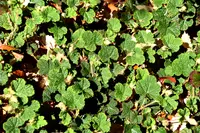
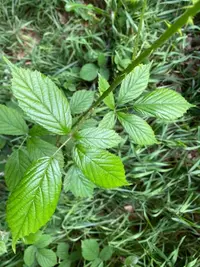
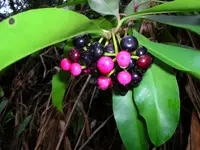
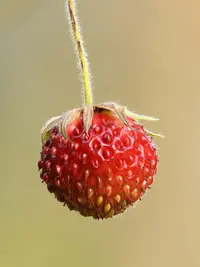
Formosan raspberry, Rubus formosensis, is a perennial bramble in the rose family, grown mainly for its ornamental foliage and bright, attractive berries. It typically forms arching or scrambling canes, creating a dense, medium-height thicket that can be used as an informal hedge or ground-covering shrub.

This species is native to Taiwan and nearby regions, where it grows in woodland edges and mountain slopes. Its vigorous growth and tolerance of pruning make it relatively easy to manage in gardens with space.

The plant prefers sun to light shade, evenly moist but well-drained soil, and benefits from some protection from extreme cold. Understanding how to care for Formosan Raspberry helps prevent it from becoming too invasive in mild, wet climates.

Main Plant Requirements

Care Difficulty

Moderate Care

Light Preference

Partial Shade

Water Requirements

Moderate Water

Temperature Preference

Warm Climate

Hardiness Zone

8–10

Soil Texture

Loamy, Sandy, Organic-rich

Soil pH

Acidic (5.5–6.5), Slightly acidic (6.5–7.0)

Soil Drainage

Moist but well-drained

Fertilization

Minimal (feed rarely)

Get Personalized Care Plan

Scan your plant to receive care tips personalized for your specific plant

Available on iOS and Android

How to Care for the Formosan Raspberry

This species prefers bright outdoor conditions with protection from harsh extremes.

  • Provide 4–6 hours of direct morning sun with light afternoon shade; dappled light under open trees suits Formosan Raspberry in warmer regions.
  • In cooler climates, full sun for 6–8 hours is suitable if soil stays evenly moist to prevent leaf scorch and fruit shriveling.
  • If stems elongate, leaves pale, or fruiting drops, light levels are too low; improve exposure, especially from late spring to early autumn.

Rubus formosensis benefits from consistently moist but never waterlogged soil.

  • Allow the top 3–5 cm of soil to dry slightly between waterings, then soak the root zone deeply so moisture reaches 15–20 cm down.
  • During hot, dry periods, increase watering frequency and mulch 5–8 cm deep to slow evaporation and keep roots cooler.
  • Reduce watering in late autumn and winter; yellowing, limp leaves and sour-smelling soil indicate overwatering, while crisp, browning leaf edges signal underwatering.

This bramble favors mild climates with cool winters and warm, not scorching, summers.

  • Optimal growth occurs around 60–77°F (16–25°C), when shoots extend steadily and fruit sets well.
  • Mature plants tolerate brief drops to about 10–15°F (-12 to -9°C), but young plants benefit from protection such as mulch over the root zone.
  • In summer, growth slows above 86°F (30°C); provide extra mulch and soil moisture during heatwaves to limit stress and protect developing fruit.

This species grows well in typical outdoor humidity but benefits from slightly moist air in hot, exposed sites.

  • Aim for 40–60% humidity in hot climates, though the plant tolerates short dry spells without major stress.
  • Crisping leaf edges, puckered new growth, or stalled canes in extreme heat can indicate low humidity stress in Formosan Raspberry.
  • Increase humidity by using organic mulch over the root zone and windbreaks, rather than misting foliage, to reduce water loss.

Rubus formosensis performs best in deep, moist, well-drained soil with plenty of organic matter.

  • Choose a loamy or sandy-loam texture that holds moisture but drains freely, avoiding heavy, compacted clay that stays wet.
  • Aim for slightly acidic to neutral pH around 6.0–7.0 to support nutrient availability and healthy root function.
  • In garden beds, mix in compost and well-rotted manure to improve structure, water retention, and biological activity.
  • For container or raised use, combine roughly 2 parts compost-rich potting mix with 1 part coarse material such as perlite or pine bark to improve aeration and drainage.

This species can be grown in containers if the pot is large and stable enough for its vigorous, spreading growth.

  • Use a wide, heavy container to counterbalance arching canes and prevent the plant from tipping in strong wind.
  • Select a pot deep enough to allow a broad root system, roughly 35–45 cm deep, to reduce drought stress between waterings.
  • Position the container where runoff can drain freely, keeping the base clear so drainage holes never sit in collected water.

This shrub fruits and grows best with light, targeted feeding rather than heavy fertilization.

  • Use a balanced slow-release fertilizer (around 10-10-10) or well-rotted compost in early spring as new growth begins.
  • Apply a thin compost layer or slow-release granules around the drip line, keeping product off stems and foliage.
  • Feed once in spring and, if growth is weak, once again in midsummer; avoid late-season nitrogen to prevent soft, frost-prone shoots.
  • During winter dormancy, do not apply fertilizer and reduce other stress factors such as drought or waterlogging when caring for Formosan Raspberry.

Thoughtful pruning keeps Rubus formosensis productive, manageable, and healthy.

  • Prune in late winter to early spring before buds break, when the plant structure is easy to see.
  • Remove dead, diseased, or damaged canes first, then thin out weak or crossing stems to open the center.
  • Cut out the oldest fruited canes at ground level to encourage vigorous new replacement shoots.
  • Use clean, sharp bypass pruners or loppers, making angled cuts just above outward-facing buds.

This bramble is usually grown in the ground, so focus on site choice and gentle transplanting rather than frequent repotting.

  • Plan transplanting for late winter to early spring, when the plant is dormant and temperatures are cool.
  • Move plants that show poor vigor, are shaded out, or have outgrown their space, keeping as much root ball intact as possible.
  • Dig a wide hole, set the crown at the same depth, backfill with well-drained soil, and water thoroughly to settle roots.
  • Mulch 5–8 cm around the base and keep soil evenly moist for several weeks to reduce transplant shock.

Rubus formosensis is commonly propagated vegetatively to maintain desirable fruiting traits.

  • Take semi-ripe stem cuttings in late spring to summer, using 10–15 cm pieces with 2–3 nodes, and root in moist, free-draining medium.
  • Use tip or simple layering in spring: bend a low cane to the soil, pin and cover a node, then sever once roots form.
  • Divide established clumps in late winter while dormant, replanting vigorous sections with several healthy buds and roots.
  • Seeds are less reliable; if used, stratify in moist medium at 35–40°F for several weeks, then sow in a cool, bright place.

This species is moderately cold hardy but benefits from basic winter preparation in colder regions.

  • In climates colder than its usual range, expect top growth to be damaged below about 10–15°F, though crowns may resprout.
  • Apply 5–8 cm of organic mulch around the root zone in late fall to buffer freeze–thaw cycles.
  • In very exposed or windy sites, loosely tie canes and use a breathable fabric windbreak to limit desiccation.
  • Container-grown plants in marginal zones can be moved into an unheated garage or shed, keeping soil barely moist.

Care Tips

Trellis Early

Install a sturdy trellis or wire system before new canes start elongating in spring so you can guide young shoots horizontally and maintain good air flow and fruit access.

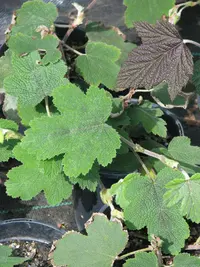
Cane Renewal

Each winter, remove spent canes that fruited the previous season down to the base while leaving strong new canes spaced 10–15 cm apart to keep the stand productive and reduce disease pressure.

Weed-Smart Mulching

Apply a 5–8 cm layer of coarse organic mulch, keeping it a few cm away from stems, to suppress weeds and keep the shallow root system cool without encouraging crown rot.

Targeted Pest Monitoring

From late spring through harvest, check the undersides of leaves and developing fruit clusters weekly for aphids and cane borers, and prune out and destroy any infested cane tips promptly to prevent spread.

Layering for Propagation

To grow Rubus formosensis efficiently, pin a flexible, healthy cane to the soil surface, cover a small section with soil, and sever the new rooted section from the mother plant once it has formed strong independent shoots.

Common Pests and Diseases

Raspberry cane borer

This pest is a wasp-like beetle whose larvae tunnel inside young canes, causing wilting of shoot tips and weakening the stems. Symptoms include a characteristic double row of small holes around the cane with the section above often drooping or dying back.

Solution

Prune out and destroy wilted cane tips 15–20 cm below the lowest ring of holes as soon as symptoms appear to remove the larvae. Maintain good Rubus formosensis care by keeping canes vigorous, avoid excessive nitrogen that promotes lush soft growth, and remove wild brambles nearby that can harbor the pest.

Raspberry cane blight

This disease is a fungal infection entering through wounds, leading to dark cankers, cracked bark, and sudden wilting of lateral shoots on otherwise healthy canes. Symptoms include brown to purple lesions around pruning cuts or damaged areas that may girdle the stem.

Solution

Cut out and dispose of infected canes at ground level during dry weather, sterilizing pruning tools between cuts. Reduce wounding by making clean cuts, avoid overhead watering, keep plantings spaced for good airflow, and apply a labeled cane fungicide only if disease pressure is high and cultural measures are not sufficient.

Raspberry spur blight

This disease causes brown or purple blotches around the nodes on canes, followed by dieback of short lateral shoots and reduced fruiting on affected stems. Symptoms include narrow, elongated lesions and premature yellowing of nearby leaves.

Solution

Remove and destroy heavily infected canes at the end of the season, and thin crowded canes to improve light and airflow. Avoid prolonged leaf wetness by watering at soil level, and if the problem recurs yearly, consider a preventative fungicide spray at bud break following local extension recommendations for Rubus formosensis plant care.

Raspberry aphids

These insects are soft-bodied sap feeders that cluster on young shoots and leaf undersides, causing leaf curl, distorted growth, and honeydew that can lead to sooty mold. This pest can also transmit viral diseases between plants.

Solution

Wash colonies off tender growth with a strong but controlled stream of water, and encourage lady beetles and lacewings by avoiding broad-spectrum insecticides. For persistent infestations, use insecticidal soap or a light horticultural oil, making sure to cover the undersides of leaves and repeating as needed according to label directions.

Raspberry leaf spot

This disease is a fungal leaf infection that starts as small purple or brown spots, often with pale centers, leading to yellowing and premature leaf drop on susceptible Rubus species. Symptoms include scattered spotting that can coalesce, thinning the canopy and weakening the plant over time.

Solution

Collect and discard fallen leaves to reduce overwintering spores, and water at soil level to keep foliage as dry as possible. Improve spacing and pruning to increase airflow, and in areas with a history of leaf spot, consider an early-season protective fungicide spray at shoot emergence if cultural practices alone do not control the issue.

Interesting Facts

Evergreen raspberry foliage

This species retains its leaves year-round in mild climates, unlike many raspberries that are deciduous, giving it value as both a fruiting and ornamental shrub.

Distinctive prickled canes

Its arching stems carry fine prickles rather than heavy thorns, creating a dense, protective framework that can function as a natural barrier hedge.

White late-season flowers

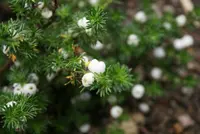
In its native East Asian range, it produces white, 5-petaled flowers later in the season than many temperate raspberries, helping support pollinators when other bramble species have already finished blooming.

FAQs about Formosan Raspberry

This species spreads by underground stems and layering canes that touch the ground. In favorable conditions it can form dense thickets, so edging, root barriers, and regular pruning are important to keep it within bounds.

Grow Healthy Plants with Botan Care

Keep your plants happy and healthy with plant identification, disease detection, and easy care guidance.

Botan plant care app — identify plants on mobile

Explore More Plants