Kohleria warszewiczii Care

Kohleria warszewiczii

About Kohleria warszewiczii

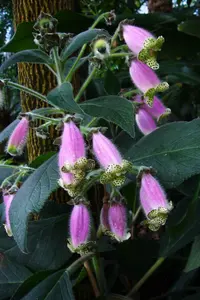
Kohleria warszewiczii is a compact, tuberous perennial from the Gesneriaceae family, related to African violets. It typically forms clumps of fuzzy, medium-height stems with soft, hairy leaves. The foliage is often dark green with a velvety texture, which contrasts with its tubular, brightly colored flowers. In nature, it occurs in tropical regions of Central and South America, usually in warm, humid forest habitats. This species is considered moderate in difficulty, mainly because it dislikes temperature swings and prolonged dryness. It adapts well to containers indoors when given stable warmth, bright filtered light, and evenly moist, airy soil, which helps new growers understand how to care for Kohleria warszewiczii.

Main Plant Requirements

Care Difficulty

Moderate Care

Light Preference

Bright Indirect Light

Water Requirements

Keep Soil Moist

Temperature Preference

Tropical / Frost Sensitive

Hardiness Zone

11–12

Soil Texture

Loamy, Peaty, Organic-rich

Soil pH

Acidic (5.5–6.5), Slightly acidic (6.5–7.0)

Soil Drainage

Moist but well-drained

Fertilization

Light (every 4–6 weeks)

Get Personalized Care Plan

Scan your plant to receive care tips personalized for your specific plant

Available on iOS and Android

How to Care for the Kohleria warszewiczii

This species prefers bright, indirect light that mimics a lightly shaded forest edge.

  • Provide 6–8 hours of bright, filtered light each day, such as near an east window or under sheer curtains, to support compact, floriferous growth in Kohleria warszewiczii.
  • Tolerates partial shade, but if light is too low leaves stretch, stems become weak, and flowering is reduced; move gradually to a brighter spot if this occurs.
  • Avoid harsh midday and afternoon sun, especially behind hot glass, which can scorch foliage; in summer, shift slightly farther from south or west windows or add light diffusion.

Watering should keep the root zone lightly moist but never saturated.

  • Before watering, let the top 2–3 cm of the potting mix dry; then water thoroughly until excess drains, ensuring no water remains in saucers or cachepots.
  • In active growth and flowering, expect to water more often, while in cooler months or short days allow the soil to dry a bit deeper to prevent root issues.
  • Signs of overwatering include yellowing, soft leaves and a sour smell from the mix; slight leaf droop and lighter, dry mix indicate it is time to water Kohleria warszewiczii.

This plant favors consistently warm, frost-free conditions with only mild seasonal variation.

  • Aim for 65–80°F (18–27°C) for best growth and flowering; short dips to 60°F (16°C) are usually tolerated but slow development.
  • Protect from temperatures below 55°F (13°C), as prolonged cold can damage foliage and rhizomes, and the plant may decline or drop growth.
  • In hot spells above 85°F (29°C), increase air movement and shade from intense sun to limit stress, leaf scorch, and bud drop while maintaining moderate humidity.

This species prefers moderately moist air and reacts quickly to very dry conditions.

  • Aim for 50–70% humidity to support steady growth and flowering in Kohleria warszewiczii.
  • Expect leaf-edge browning, curling, and stalled buds if humidity stays below about 40% for extended periods.
  • Increase humidity with a pebble tray under the pot or a nearby humidifier rather than misting the leaves directly.

This rhizomatous plant needs a light, airy, and fast-draining mix to prevent rot.

  • Use a peat- or coco-based houseplant mix amended with 30–40% perlite or pumice for better aeration.
  • Aim for slightly acidic soil, around pH 5.8–6.5, to support nutrient uptake and healthy root growth.
  • Incorporate a small amount of fine bark or coarse sand so water moves through quickly but the mix still holds moderate moisture.
  • Avoid heavy garden soil, dense clay, and mixes that stay wet for longer than 3–4 days after watering.

This species is very suitable for container growing due to its compact rhizomatous habit.

  • Choose a wide, shallow pot so the rhizomes can spread horizontally without sitting in deep, cold, wet soil.
  • Select a relatively lightweight plastic or thin-walled pot if frequent repositioning for light or display is expected.
  • Place the container in a stable cachepot or on a non-slip surface to keep top growth from tipping the pot as stems elongate.

This species responds well to modest, consistent feeding during its active growth phase.

  • Use a balanced liquid fertilizer (around 10-10-10 or 20-20-20) at 1/4–1/2 strength every 2–3 weeks in spring and summer.
  • Apply to pre-moistened soil to lower the risk of root burn and skip feeding if the plant is stressed or very dry.
  • Avoid heavy organic compost in small pots; instead, use a light, well-aerated mix and occasional slow-release pellets if desired.
  • Stop or reduce feeding to once every 6–8 weeks in fall and winter when Kohleria warszewiczii growth slows or it goes partially dormant.

Thoughtful pruning keeps Kohleria warszewiczii compact, branching, and flowering well indoors.

  • Pinch soft shoot tips in spring and early summer to encourage bushier growth and more flowering stems.
  • Remove dead, yellowing, or damaged leaves and spent flower stalks with clean, sharp scissors or small pruning snips.
  • Thin out crowded interior stems to improve light penetration and air movement around the foliage.
  • Disinfect tools before and after use to reduce transmission of fungal or bacterial diseases.

Container-grown plants benefit from occasional repotting to maintain vigorous growth and healthy roots.

  • Check for roots circling the pot, pushing through drainage holes, or for unexplained slow growth as signs that repotting is needed.
  • Repot every 1–2 years in late winter or early spring, just before active growth resumes.
  • Move to a pot only 2–3 cm wider, using a light, airy mix suitable for Kohleria warszewiczii, and keep rhizomes just below the surface.
  • Water lightly after repotting, keep in bright, indirect light, and avoid heavy feeding for 2–3 weeks to limit transplant shock.

This plant is commonly multiplied to maintain vigorous clumps and share new plants.

  • Divide rhizomes in late winter or early spring, ensuring each piece has at least 1–2 growing points.
  • Plant rhizome sections shallowly in a loose, well-drained mix, then keep slightly moist and warm at 70–75°F.
  • Take 7–10 cm stem cuttings in spring or early summer, remove lower leaves, and root in moist mix or water with high humidity.
  • Provide bright, indirect light and gentle bottom warmth if available to speed rooting and reduce losses.

This tropical species is not frost hardy and needs protection in climates with cold winters.

  • Keep indoor temperatures around 60–70°F; avoid drafts and cold windowsills at night.
  • Reduce watering so the soil stays lightly moist, never saturated, during semi-dormant periods.
  • In cool regions, grow Kohleria warszewiczii in containers and bring it indoors before temperatures drop near 50°F.
  • Allow some foliage to die back naturally, then keep rhizomes in slightly moist, airy substrate until growth resumes in spring.

Care Tips

Rhizome maintenance

Lift and inspect rhizomes every 1–2 years during dormancy, discarding soft or moldy pieces and replanting only firm, healthy segments slightly buried so they can resprout evenly.

Seasonal rest period

If growth slows and leaves yellow late in the season, gradually reduce watering, allow stems to die back, and store the pot barely moist in a cool, bright spot for 8–12 weeks to support a strong flush of growth next season.

Compact, bushy growth

Pinch back soft shoot tips when stems reach 10–15 cm to encourage branching and more flowering sites, sterilizing your fingers or tools first to avoid transmitting disease.

Clean foliage management

Use a soft, dry brush or gentle airflow, not wet wiping, to remove dust and old flower parts from the hairy leaves and stems, which reduces fungal issues without damaging the leaf surface.

Targeted pest scouting

Inspect the undersides of leaves and around leaf nodes weekly with a hand lens, since the fine hairs can hide early spider mite or thrips infestations, and treat promptly with a horticultural soap if any pests are seen when caring for Kohleria warszewiczii.

Common Pests and Diseases

Mealybugs

This pest often hides in leaf axils and along fuzzy stems, feeding on sap and causing distorted growth and sticky honeydew on the soft foliage.

Solution

Remove visible insects with a cotton swab dipped in 70% isopropyl alcohol, then wash the plant gently with lukewarm water and mild soap; repeat weekly if needed and improve air movement while avoiding overcrowding to reduce reinfestation when caring for Kohleria warszewiczii.

Cyclamen mites

These insects are microscopic mites that thrive in warm, humid conditions and cause stunted new growth, puckered or twisted leaves, and deformed flower buds.

Solution

Isolate the plant, remove and discard the most distorted growth, then keep humidity moderate, increase airflow, and apply a targeted miticide labeled for cyclamen mites, ensuring full coverage of young leaves and shoot tips.

Botrytis blight

This disease appears as soft, water-soaked spots on leaves, buds, or flowers, often followed by gray fuzzy mold in cool, humid, poorly ventilated conditions.

Solution

Cut off and discard all affected tissue, improve airflow around the plant, avoid water sitting on leaves and flowers, and keep foliage dry by watering at the soil level; in persistent cases, use a fungicide labeled for ornamental botrytis on indoor plants.

Powdery mildew

This disease shows up as white or gray powdery patches on the soft, hairy leaves and stems, leading to yellowing and reduced vigor if not controlled.

Solution

Increase light and airflow, avoid overhead watering, remove heavily affected leaves, and treat remaining foliage with a sulfur-based or potassium bicarbonate product labeled for powdery mildew, repeating as directed until new growth stays clean.

Aphids

These insects cluster on tender shoot tips and flower stalks, sucking sap and causing curling leaves, sticky honeydew, and reduced flowering.

Solution

Rinse the plant thoroughly with a strong but gentle stream of lukewarm water to dislodge colonies, then apply insecticidal soap or a light horticultural oil, ensuring contact with the insects and repeating at 5–7 day intervals until populations decline.

Interesting Facts

Velvety tubular blooms

This species produces elongated tubular flowers with a dense covering of hairs, giving the corolla a velvety look that enhances color intensity and helps scatter light in low-understory forest conditions.

Speckled nectar guides

Its pink to purple flowers often show contrasting darker spots and patterns inside the tube, which act as nectar guides for pollinators by visually directing them toward the nectar source.

Scaly underground rhizomes

The plant forms scaly rhizomes below the soil surface, allowing it to store resources and survive seasonal stress periods in its native Central and South American habitats, then resprout when conditions improve.

FAQs about Kohleria warszewiczii

Lack of blooms often relates to insufficient light intensity, depleted nutrients, or an exhausted rhizome. Provide a regular, balanced fertilizer during active growth, avoid heavy pruning late in the season, and allow a brief rest period to recharge.

Grow Healthy Plants with Botan Care

Keep your plants happy and healthy with plant identification, disease detection, and easy care guidance.

Botan plant care app — identify plants on mobile

Explore More Plants