Encourage Bushy Form
After flowering, lightly tip-prune the current season’s shoots by 2–4 in to promote denser branching and more flower-bearing wood the following year.

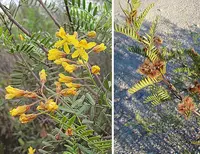
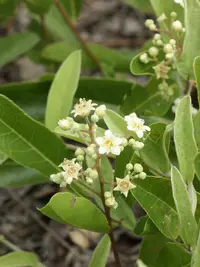
Zuccagnia punctata, often called jarilla, is a small, fine-textured shrub in the legume family. It forms a compact, branching habit with tiny leaflets and abundant yellow flowers.
This species is native to arid regions of Argentina and Chile, where it grows on dry, rocky soils and tolerates intense sun and wind. It is valued for its drought resistance, slow to moderate growth, and ability to cope with poor, well-drained substrates.
In cultivation, it suits dry gardens and low-maintenance landscapes, but needs protection from prolonged winter wet and heavy, waterlogged soils. Gardeners who learn how to care for Zuccagnia punctata often appreciate its resilience and distinctive, airy foliage.

Care Difficulty
Easy Care

Light Preference
Full Sun

Water Requirements
Low Water

Temperature Preference
Warm Climate

Hardiness Zone
8–11

Soil Texture
Sandy, Loamy, Rocky

Soil pH
Slightly acidic (6.5–7.0), Slightly alkaline (7.0–7.5)

Soil Drainage
Well-drained

Fertilization
Minimal (feed rarely)
Scan your plant to receive care tips personalized for your specific plant
Available on iOS and Android
This shrub thrives in strong sun and handles dry, exposed conditions well.
This desert-adapted shrub prefers infrequent, deep watering rather than frequent light applications.
This species is well adapted to hot, dry climates but has some cold tolerance.
This drought-adapted shrub does not have special humidity needs and thrives in typical dry household or outdoor air.
This desert-adapted legume prefers very well‑drained, mineral soils that stay dry between waterings.
This shrub can be grown in containers if the pot is set up to mimic its dry, fast-draining native conditions.
This drought-adapted shrub needs minimal feeding, but light nutrition can support growth in poor soils.
Pruning helps maintain a compact, flowering form without stressing this hardy leguminous shrub.
This species is usually grown in the ground, so focus on careful transplanting rather than frequent repotting.
New plants are most often raised from seed, with semi-ripe cuttings used where controlled conditions are available.
This shrub is fairly cold hardy in dry climates and usually needs only modest winter preparation.

Plant Health Check
Not sure what's wrong with your plant? Check your plant's health inside the app.
This shrub is native to arid regions of Argentina and Chile and forms root nodules with nitrogen-fixing bacteria, enriching poor, sandy soils with biologically available nitrogen.
Leaves and young stems are covered with tiny dark glands that give the plant its epithet punctata, meaning dotted, and these glands contain aromatic compounds typical of many legumes from dry environments.
It often colonizes disturbed, wind-exposed, and erosion-prone slopes in Patagonia, helping stabilize soil and create microhabitats that allow other, less stress-tolerant plants to establish over time.

Studies have documented that this species tolerates high levels of soil salinity and drought, which has led to its experimental use in ecological restoration projects on degraded, saline, or overgrazed lands in semi-arid Patagonia, making it a model shrub for understanding stress resistance in dryland legumes.
This shrub is very attractive to bees and other pollinating insects, especially when covered in yellow flowers. It can support native pollinator populations and is useful in low-water, biodiversity-focused planting schemes in dry regions.
Keep your plants happy and healthy with plant identification, disease detection, and easy care guidance.