crested Philippine violet Care (Barleria cristata)

Also known as: Philippine violet, Bluebell Barleria
crested Philippine violet

About crested Philippine violet

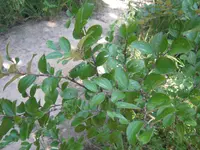
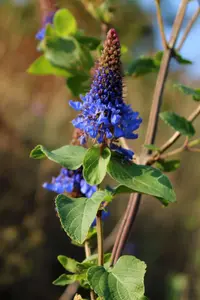
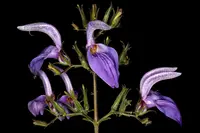
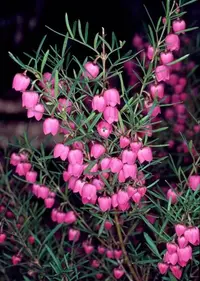
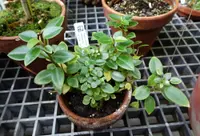
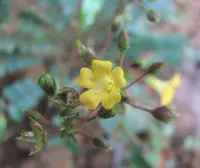
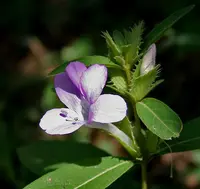
Crested Philippine violet, Barleria cristata, is a tropical flowering shrub grown for its showy funnel-shaped blooms and dense, leafy stems. It usually forms a compact, bushy clump in warm climates. Flowers range from lavender to purple or white and appear along the stems, giving a long season of color in suitable conditions.

This species is native to South and Southeast Asia and is often used in hedges, borders, or mixed flower beds. It grows relatively fast and is considered easy to manage where winters are mild. To care for crested Philippine violet, provide bright light, moderate moisture, and well-drained soil to support healthy growth and regular flowering.

Main Plant Requirements

Care Difficulty

Moderate Care

Light Preference

Partial Sun

Water Requirements

Moderate Water

Temperature Preference

Tropical / Frost Sensitive

Hardiness Zone

10–11

Soil Texture

Sandy, Loamy, Organic-rich

Soil pH

Acidic (5.5–6.5), Slightly acidic (6.5–7.0)

Soil Drainage

Moist but well-drained

Fertilization

Light (every 4–6 weeks)

Get Personalized Care Plan

Scan your plant to receive care tips personalized for your specific plant

Available on iOS and Android

How to Care for the crested Philippine violet

Barleria cristata thrives in bright outdoor light but needs some protection from intense sun.

  • Provide 4–6 hours of direct morning sun with light afternoon shade; east or southeast exposure suits crested Philippine violet well.
  • Tolerates partial shade, but flowering decreases if it receives less than 3–4 hours of direct or strongly filtered light daily.
  • In hot summers, protect from harsh sun from 12–4 p.m. to prevent leaf scorch; in winter, remove shade where possible to maximize light.

Barleria cristata prefers evenly moist, well-drained soil without staying soggy or bone-dry for long.

  • Water when the top 3–5 cm of soil feels dry; soil below should feel slightly moist, not wet or compacted.
  • Increase watering in active growth and hot weather, but allow slightly deeper drying between waterings in cooler seasons.
  • Watch for wilting, crisp leaf edges, and slow growth as signs of underwatering, and yellowing, soft leaves, or a sour soil smell as signs of overwatering.

This species grows best in warm, frost-free conditions with only moderate temperature swings.

  • Aim for 70–85°F (21–29°C) for strongest growth and flowering; short spikes to 90°F (32°C) are usually tolerated if soil moisture is stable.
  • Avoid temperatures below 45°F (7°C); light frost can burn foliage, and repeated or hard freezes may kill above-ground growth or the whole plant.
  • In regions with cool winters, treat it as a tender perennial, providing shelter from cold winds and radiating heat from walls or structures where possible.

This species grows best in moderately humid air but usually adapts to typical indoor levels.

  • Aim for 40–60% humidity; it generally tolerates brief dips lower without severe stress.
  • Dry air can cause brown, crispy leaf edges and slower growth in crested Philippine violet.
  • Increase humidity by grouping plants, placing pots on pebble trays with water below the pot base, or running a nearby humidifier.

Barleria cristata prefers loose, well-aerated soil that drains quickly yet retains some moisture.

  • Use a mix of roughly 50–60% peat- or coir-based potting mix plus 20–30% compost and 20–30% coarse sand or perlite.
  • Target slightly acidic to neutral pH around 6.0–7.0 to support nutrient uptake and strong root development.
  • Improve aeration and prevent waterlogging by adding extra perlite or fine bark chips, especially in heavy or clay-based garden soils.
  • Avoid compacted, sticky, or constantly wet substrates, which promote root rot and reduced flowering.

This species is well suited to growing in containers outdoors in warm climates.

  • Choose a pot slightly wider than the root ball but not excessively deep, as shallow, broad containers help support its bushy spread.
  • Select a heavier material like ceramic or clay if the plant becomes top-heavy, to reduce tipping in wind or rain.
  • Ensure drainage holes stay clear and elevate the pot on feet or bricks so excess water runs off quickly after heavy watering or storms.

Balanced feeding supports compact growth and abundant flowering in crested Philippine violet.

  • Use a balanced water-soluble fertilizer (for example 10-10-10 or 20-20-20) at 1/2 strength for container plants.
  • Feed every 3–4 weeks during the warm growing season when plants are actively producing new shoots and buds.
  • Apply a thin layer of compost around outdoor plants in spring to improve soil structure and slow nutrient release.
  • Reduce or stop feeding in late fall and winter when growth slows, resuming only once active growth returns.

Thoughtful pruning keeps Barleria cristata dense, flowering well, and within bounds.

  • Cut back lightly after main flowering flushes in late spring or summer to encourage bushy new growth and more blooms.
  • Remove dead, damaged, or crossing stems at the base using clean, sharp hand pruners to lower disease risk.
  • Thin out overcrowded interior shoots to improve air movement and light penetration into the shrub canopy.
  • Shorten overly long or leggy stems by up to one-third, maintaining a rounded, compact outline.

Container-grown plants and young shrubs benefit from timely repotting or transplanting for stable Barleria cristata growth.

  • Look for roots circling the pot, reduced vigor, or quick drying soil as signs a container plant needs a larger pot.
  • Plan repotting or garden transplanting for late spring or early summer, once frost risk has passed and soil is warming.
  • Move plants every 2–3 years into a pot 1–2 in wider, or into a garden spot with fertile, well-drained soil.
  • Water well before and after moving, keep the root ball intact, and shade plants for several days to limit transplant shock.

New Barleria cristata plants are most often produced from softwood cuttings and sometimes from seed.

  • Take 8–10 cm softwood cuttings in late spring or early summer from non-flowering shoots.
  • Remove lower leaves, dip the cut end in rooting hormone, and place in a moist, free-draining mix under bright, indirect light.
  • Maintain high humidity around cuttings using a clear cover and keep temperatures near 70–75°F for reliable rooting.
  • Sow fresh seeds on the surface of a light seed mix, barely cover, and keep evenly moist until germination.

In mild-winter climates this shrub may stay evergreen, but colder regions require specific winter care for Barleria cristata.

  • Treat it as a tender shrub; foliage is damaged by frost and freezing temperatures below about 32°F.
  • Mulch the root zone with 5–8 cm of bark or leaf mold in late fall to buffer soil temperature swings.
  • Move container plants indoors or into a frost-free greenhouse, giving bright light and slightly drier soil through winter.

Care Tips

Encourage Bushy Shape

Pinch 1–2 cm from soft shoot tips every few weeks during active growth to promote dense branching and heavier flowering rather than tall, open stems.

Timed Hard Cutback

Shear the plant back by about one-third immediately after the main flowering flush, then lightly feed and water so it can regrow compact, vigorous shoots for the next bloom cycle.

Simple Stem Propagation

Take 8–10 cm non-flowering stem cuttings, remove lower leaves, dip in rooting hormone if available, and root them in moist, sterile mix under bright shade to renew old plants or fill bare spots.

Wind And Rain Support

In windy or storm-prone sites, place low, semicircular wire or bamboo hoops around the plant so the flexible stems lean on the support instead of snapping or lodging in heavy rain.

Monitor Seed Spread

Check regularly for developing seed capsules and remove them if unwanted, since the plant can self-sow freely in warm climates, and this simple practice keeps clumps tidy while caring for crested Philippine violet.

Common Pests and Diseases

Aphids

These insects cluster on new shoots and flower buds, sucking sap and causing distortion, curling, and sticky honeydew that can lead to sooty mold on crested Philippine violet shrubs.

Solution

Prune off heavily infested shoot tips, then wash remaining foliage with a strong but gentle stream of water, repeating every few days; if needed, apply insecticidal soap or a light horticultural oil to all shoot tips and leaf undersides, avoiding applications during high heat or full midday sun.

Red spider mites

These pests thrive in hot, dry conditions, causing fine stippling on leaves, pale or bronzed foliage, and fine webbing between stems and leaves.

Solution

Increase humidity around the plant, hose down foliage to physically remove mites and webbing, and use insecticidal soap or horticultural oil directed to the leaf undersides on a 7–10 day schedule until new growth appears clean.

Whiteflies

These insects hide on the undersides of leaves, flying up in a cloud when disturbed and weakening plants by sap feeding and honeydew production.

Solution

Regularly shake branches to check for activity, remove heavily infested leaves, use yellow sticky traps to reduce adult numbers, and apply insecticidal soap or neem-based sprays to the undersides of leaves in the early morning or late afternoon.

Leaf spot

This disease causes small brown to dark purple spots on leaves that can enlarge and merge, sometimes leading to premature leaf drop in dense, humid plantings.

Solution

Remove and discard affected leaves, avoid overhead watering, thin congested stems to improve airflow, and if spotting continues, use a copper or chlorothalonil-based fungicide labeled for ornamental shrubs, following label intervals carefully.

Powdery mildew

This disease appears as white, powdery fungal growth on upper leaf surfaces and young shoots, leading to distorted, dull foliage and reduced flowering in shaded, poorly ventilated sites.

Solution

Improve light and air movement around plants by pruning and spacing, remove heavily affected leaves, and treat remaining foliage with a sulfur or potassium bicarbonate fungicide labeled for ornamentals, applying at the first sign of white patches and repeating as directed.

Interesting Facts

Twilight flowering rhythm

The flowers open mainly in the late afternoon and evening and often close or fade by the next day, giving the shrub a distinct crepuscular blooming pattern that supports dusk-active pollinators.

Explosive seed dispersal

Mature seed capsules dry and split suddenly, flinging seeds away from the parent plant through a mechanical process called ballistic dispersal, which helps the species spread efficiently in suitable climates.

Variable wild coloration

Although commonly seen with purple blossoms in cultivation, wild populations can show flowers ranging from pale lilac to nearly white, reflecting genetic variation across its native range in South and Southeast Asia.

Botan icon

Did you know?

In several tropical and subtropical regions outside its native range, this species has escaped cultivation and naturalized so successfully along roadsides and disturbed ground that it is monitored as a potentially invasive shrub in some local floras.

FAQs about crested Philippine violet

Lack of flowers usually comes from insufficient light, old woody stems, or nutrient imbalance. Provide bright conditions, avoid heavy high-nitrogen fertilizer, and prune lightly after flowering to encourage fresh growth and more buds next season.

Grow Healthy Plants with Botan Care

Keep your plants happy and healthy with plant identification, disease detection, and easy care guidance.

Botan plant care app — identify plants on mobile

Explore More Plants