Encourage Bushy Shape
Pinch back soft stem tips just above a leaf pair every few months to keep the plant compact and encourage dense, rounded growth instead of long, sparse vines.

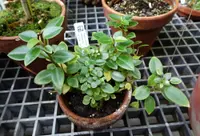
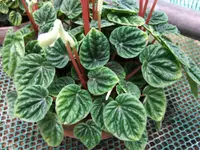
Pixie Lime (Peperomia orba) is a compact, slow-growing houseplant in the pepper family, valued for its rounded, lime-green leaves and tidy form. It usually stays small, which makes it suitable for desks, shelves, and windowsills.
This species is native to tropical regions of Central and South America, where it grows as an understory plant in warm, shaded habitats. Its succulent-like leaves store some water, so it tolerates short dry spells better than many thin-leaved houseplants.
These traits make it forgiving for beginners, as long as the plant is kept in bright, indirect light, a well-draining mix, and protected from overwatering. Understanding how to care for Pixie Lime starts with respecting its preference for gentle light and light, airy soil.

Care Difficulty
Easy Care

Light Preference
Bright Indirect Light

Water Requirements
Moderate Water

Temperature Preference
Tropical / Frost Sensitive

Hardiness Zone
11–12

Soil Texture
Loamy, Peaty, Organic-rich

Soil pH
Acidic (5.5–6.5), Slightly acidic (6.5–7.0)

Soil Drainage
Well-drained

Fertilization
Light (every 4–6 weeks)
Scan your plant to receive care tips personalized for your specific plant
Available on iOS and Android
Peperomia orba prefers bright, indirect light that mimics dappled forest shade.
Watering Peperomia orba correctly relies on monitoring the soil rather than following a strict schedule.
This plant prefers stable, warm conditions similar to a mild indoor climate.
This species handles typical indoor humidity but benefits from slightly humid air.
This plant prefers a loose, airy potting mix that drains quickly yet holds some moisture.
Peperomia orba is well suited to container growing due to its compact, shallow-rooted habit.
Peperomia orba benefits from modest, diluted feeding during the active growing season.
Peperomia orba responds well to light pruning that maintains a compact, healthy shape.
This compact houseplant prefers infrequent repotting and slightly snug containers.
Peperomia orba is commonly propagated from stem or leaf cuttings in warm, bright conditions.
This tropical species is not frost hardy and requires indoor conditions above freezing in winter.

Plant Health Check
Not sure what's wrong with your plant? Check your plant's health inside the app.
Peperomia orba is considered a horticultural hybrid that likely arose from related Peperomia species, rather than a wild, formally described species with a natural range. Many taxonomic sources treat it as a cultivar group rather than a botanically valid species.
Its small, rounded leaves have a smooth, slightly succulent surface with a fine, almost velvety sheen that distinguishes it from many other peperomias. The upper leaf surface is often a bright lime-green, while the underside can show a slightly paler tone.
This plant typically forms low, dense rosettes of foliage with short internodes, giving it a cushion-like appearance. The compact habit is one reason it is frequently used in small indoor arrangements and dish gardens.
Leaf browning usually comes from underwatering, very low humidity, or fertilizer burn at the roots. Check soil moisture, flush excess fertilizer with plain water, and keep the plant away from hot, dry air sources.
Keep your plants happy and healthy with plant identification, disease detection, and easy care guidance.