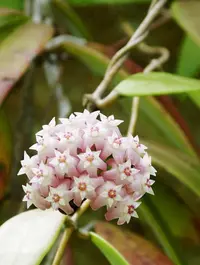
southern needleleaf Care (Tillandsia setacea)

Also known as: southern needleleaf airplant, setaceous-leaved tillandsia
southern needleleaf

About southern needleleaf

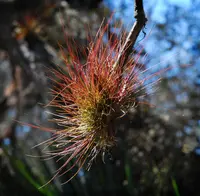
Southern needleleaf, Tillandsia setacea, is a small epiphytic air plant that anchors to bark, rock, or other surfaces instead of growing in soil. It forms fine, stiff, needle-like leaves in dense tufts, often creating a delicate, grassy look.

This species is native to the southeastern United States and the Caribbean, where it absorbs water and nutrients directly through its leaves from rain and humid air. Its minimal root system and drought-tolerant nature make it relatively easy to keep alive once you understand how to care for southern needleleaf.

It generally prefers bright, filtered light, good air movement, and regular light moisture with time to dry between waterings, which suits many indoor environments.

Main Plant Requirements

Care Difficulty

Moderate Care

Light Preference

Partial Sun

Water Requirements

Moderate Water

Temperature Preference

Tropical / Frost Sensitive

Hardiness Zone

10–12

Soil Texture

Sandy, Rocky, Organic-rich

Soil pH

Acidic (5.5–6.5)

Soil Drainage

Well-drained

Fertilization

Minimal (feed rarely)

Get Personalized Care Plan

Scan your plant to receive care tips personalized for your specific plant

Available on iOS and Android

How to Care for the southern needleleaf

This fine-leaved air plant prefers bright, indirect light with some gentle direct sun each day.

  • Provide 4–6 hours of bright, filtered light daily, such as under a tree canopy or in bright shade near an east- or west-facing window if grown indoors.
  • Allow soft morning sun but avoid harsh midday summer sun, which can scorch the thin leaves of southern needleleaf and cause bleaching or crispy tips.
  • In winter, move it to a brighter position or closer to a window to compensate for shorter days, but still protect from intense midday glare behind glass.

This epiphytic air plant absorbs water through its leaves and needs thorough wetting followed by complete drying.

  • Soak or drench the plant for 5–10 minutes, then shake off excess water and allow it to dry within 2–3 hours in good air movement.
  • Water more often in warm, dry weather when leaf tips feel curled or look dull, and reduce frequency in cool, humid seasons so the plant is completely dry between waterings.
  • Watch for overwatering signs such as limp, browning bases or a musty smell; severe leaf curling and brittleness suggest underwatering for Tillandsia setacea.

This species prefers warm, frost-free conditions similar to its native subtropical habitats.

  • Aim for 65–85°F (18–29°C) for steady growth, keeping it on the warmer end when light and air movement are strong.
  • Protect from cold; brief dips to 40–45°F (4–7°C) may be tolerated if dry, but freezing temperatures cause rapid tissue damage.
  • In hot spells above 90°F (32°C), increase air circulation and watering frequency, and provide shade during the hottest hours to prevent heat stress and leaf scorch.

This air plant prefers moderate to high humidity but adapts to many home environments.

  • Target 40–60% humidity; it tolerates brief drops lower if watering is consistent.
  • In very dry air, southern needleleaf tips may brown or leaf curls may tighten and stay closed longer after misting.
  • Increase humidity by grouping air plants, placing them near (not on) a humidifier, or setting them above a pebble tray without wetting the base.

Tillandsia setacea is an epiphytic air plant and must not be potted in conventional soil.

  • Keep the plant mounted on bark, cork, or a wire frame so air can move freely around all leaves and the base.
  • If placing in a decorative container, use loose, inert materials like large bark chunks, coarse lava rock, or aquarium gravel, never peat-based mixes.
  • Ensure water drains and evaporates quickly after soaking; do not let moisture collect where the plant base touches any surface.
  • Avoid any compact, fine-textured, or water-retentive substrate that can keep the base wet and promote rot.

This air plant fits well in containers or mounts as long as excess moisture cannot accumulate around the base.

  • Choose open containers like mesh cups, slatted holders, or shallow bowls that allow strong air movement around the whole plant.
  • Secure the plant loosely with wire, fishing line, or elastic so it stays stable while still drying fully after watering.
  • If using glass globes, keep the opening wide and position the plant near the edge, not deep inside, to prevent stagnant, humid air.

Tillandsia setacea benefits from light, dilute feeding during active growth but does not need heavy fertilization.

  • Use a balanced water-soluble air plant fertilizer or a very dilute balanced NPK (around 1⁄4 strength).
  • Feed once every 3–4 weeks in spring and summer, misting the whole plant after normal watering or soaking.
  • Reduce feeding to once every 6–8 weeks in fall and stop in winter dormancy.
  • Avoid compost or slow-release granules, which can burn foliage and clog the southern needleleaf leaf bases.

Pruning needs for Tillandsia setacea are minimal and focus on cleanliness rather than shaping.

  • Trim only dead, brown, or clearly damaged leaves using clean, sharp scissors.
  • Remove completely spent flower stalks at the base to maintain a neat appearance and direct energy to new offsets.
  • Avoid heavy cutting of healthy leaves, which can weaken the plant and slow growth.
  • Inspect plants during late spring or after flowering to do any necessary clean-up work.

This air plant does not use soil, so care focuses on remounting or repositioning rather than traditional repotting.

  • Remount when clumps outgrow their support, become unstable, or air circulation is clearly reduced around the leaves.
  • Best timing is spring to early summer, when temperatures are mild and growth is active.
  • Gently detach the plant, keeping any offsets together, and secure it to new wood, cork, or wire mesh without covering the base.
  • After remounting, provide bright indirect light and slightly reduced watering for 7–10 days to limit stress.

Propagation of Tillandsia setacea is commonly done by separating offsets rather than by seed.

  • Wait until pups reach about 1⁄3–1⁄2 the size of the parent before removing them.
  • Separate offsets in spring or early summer, gently twisting or cutting them away with a sterile blade.
  • Place new plants in bright, filtered light with good air movement and maintain regular misting or soaking routines.
  • Seed propagation is possible but slow and requires warm, consistently humid conditions and fine mounting surfaces.

Tillandsia setacea is frost sensitive and needs protection in regions with cold winters.

  • Move outdoor plants indoors before temperatures drop near 40°F, placing them in bright, indirect light.
  • Avoid exposure to frost or freezing drafts, which damage the fine foliage and can kill the plant.
  • Maintain cool to mild indoor temperatures around 50–70°F with good airflow and reduced watering in winter.

Care Tips

Optimize Airflow

Mount plants where they receive steady, gentle air movement from a ceiling fan or open window, which helps them dry quickly after misting and reduces fungal or bacterial issues when caring for southern needleleaf.

Use Inert Mounts

Attach plants only to inert, non-rotting materials such as cork bark, hardwood, or plastic-coated wire, and avoid treated wood or metal that can leach chemicals or rust onto the leaves.

Secure Without Glue

Fix plants in place with soft wire, fishing line, or elastic plant ties instead of hot glue, so the base can expand naturally and offsets form without damage.

Rotate Light Exposure

Turn mounted plants 90° every 1–2 weeks so all sides receive similar light intensity, which encourages even growth and prevents one-sided leaning or stretching.

Seasonal Outdoor Stays

In mild climates, move plants outdoors under bright, dappled shade during warm, frost-free months to benefit from natural day–night temperature swings and improved vigor.

Common Pests and Diseases

Scale insects

These insects attach to the narrow leaves and sheaths, sucking sap and causing yellowing, stunting, and sticky honeydew on the plant surface.

Solution

Remove affected plants from close contact with others, then gently scrub leaves and leaf bases with a soft brush dipped in diluted isopropyl alcohol, followed by a thorough rinse and full drying; increase air movement and avoid overcrowding to reduce reinfestation while monitoring weekly for new bumps or sticky residue as part of routine Tillandsia setacea care.

Mealybugs

These insects hide in leaf bases and along the wiry leaves, leaving white cottony clusters, distorted growth, and weakened plants.

Solution

Isolate the plant, then carefully spray or soak it in a strong stream of room-temperature water to dislodge insects, follow with spot treatment using cotton swabs dipped in diluted isopropyl alcohol, and improve air circulation and light levels to discourage future colonies while checking leaf axils regularly.

Fungal leaf spot

This disease produces small brown or black spots on the thin leaves, sometimes with yellow halos, often after prolonged leaf wetness and poor airflow.

Solution

Trim and discard the worst-affected leaves, then adjust care by ensuring the plant dries fully within a few hours after misting or soaking, increasing air circulation and spacing, and if needed apply a low-toxicity fungicide labeled for ornamental foliage, following label directions carefully.

Bacterial soft rot

Symptoms include rapidly softening, water-soaked leaf bases with a foul odor, typically starting in the dense inner crown after water sits trapped for too long.

Solution

Discard severely affected plants since spread is fast, but for very early cases remove all mushy tissues with sterile tools, allow the plant to dry in strong indirect light with excellent airflow, avoid soaking the crown, and in future mount or position the plant so water drains freely after each watering.

Mite damage

These pests feed on the fine leaves, causing a dull, rough, or speckled appearance and gradual thinning or dieback of leaf tips, often without visible webbing.

Solution

Rinse the plant thoroughly under running water, then increase humidity slightly while boosting air movement, and if damage continues use a miticide or insecticidal soap labeled for mites on ornamentals, applied lightly so leaves can still dry quickly after treatment.

Interesting Facts

Fog-harvesting leaf scales

This species has dense, tiny trichomes (leaf scales) that can rapidly absorb water from fog and dew, allowing the plant to hydrate even when rainfall is scarce in its coastal habitats.

Needle-like rosette form

Its very thin, hairlike leaves form a tight, wiry rosette that reduces surface area and water loss, an adaptation suited to exposed, windy sites such as pine branches and coastal scrub.

Southeastern coastal native

The plant is naturally distributed along coastal areas of the southeastern United States, where it often grows on pine trees and shrubs in open, sunny habitats influenced by ocean humidity.

Botan icon

Did you know?

Genetic and morphological studies place this species within a group of narrow-leaved Tillandsia adapted to windy, high-light environments, and its extreme leaf slenderness is among the most pronounced in the genus, making it one of the more filamentous air plants known.

FAQs about southern needleleaf

This species usually needs to reach maturity and experience a bright, stable environment before flowering. Strong light, good air circulation, and consistent hydration cycles help, but blooms are still occasional and not guaranteed each year.

Grow Healthy Plants with Botan Care

Keep your plants happy and healthy with plant identification, disease detection, and easy care guidance.

Botan plant care app — identify plants on mobile

Explore More Plants