Inch Plant Care (Tradescantia 'Albovittata')

Also known as: Wandering Jew, Tradescantia (Continental Group)

About Inch Plant

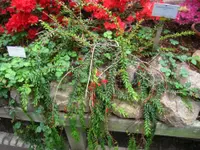
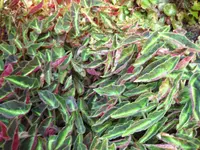
Inch plant, Tradescantia 'Albovittata', is a trailing tropical perennial grown mainly for its decorative foliage. It is often used in hanging baskets or as a cascading windowsill plant. Leaves are narrow, slightly fleshy, and typically striped in shades of green, silver, and sometimes purple, forming dense, fast-growing stems. It originates from cultivated selections of Tradescantia, which trace back to Central and South American forest habitats. This cultivar grows quickly and roots easily from cuttings, which makes it simple to replace or rejuvenate. Understanding how to care for Inch Plant is straightforward once its need for bright, indirect light, evenly moist soil, and good drainage is clear.

Main Plant Requirements

Care Difficulty

Easy Care

Light Preference

Bright Indirect Light

Water Requirements

Moderate Water

Temperature Preference

Tropical / Frost Sensitive

Hardiness Zone

10–12

Soil Texture

Loamy, Sandy, Organic-rich

Soil pH

Acidic (5.5–6.5), Slightly acidic (6.5–7.0)

Soil Drainage

Moist but well-drained

Fertilization

Light (every 4–6 weeks)

Get Personalized Care Plan

Scan your plant to receive care tips personalized for your specific plant

Available on iOS and Android

How to Care for the Inch Plant

This plant prefers bright, indirect light to keep its variegated leaves compact and colorful.

  • Provide 6–8 hours of bright, indirect light daily, such as near an east window or in light shade outdoors with dappled sun.
  • Allow gentle morning sun but protect from strong midday and afternoon sun, which can scorch leaves and fade variegation on Inch Plant.
  • If stems stretch or leaf color dulls, move closer to a brighter exposure; in winter, shift to the brightest safe spot to offset shorter days.

Tradescantia 'Albovittata' prefers evenly moist but not saturated soil.

  • Water when the top 2–3 cm of soil feels dry, using enough water so excess drains freely away from the root zone.
  • In spring and summer, soil may dry faster and need more frequent checks; in cooler months, let the top layer stay dry slightly longer between waterings.
  • Yellowing, soft leaves and a musty smell suggest overwatering, while crisp, curling leaves and very light pots or beds indicate underwatering or very dry soil.

This plant grows best in warm, stable temperatures without sudden extremes.

  • Aim for 65–80°F (18–27°C) for active growth, as cooler conditions slow metabolism and reduce new shoots.
  • Protect from cold; growth declines below 55°F (13°C), and tissue damage or death can occur if exposed to 32°F (0°C) or frost.
  • Tolerates brief heat up to about 90°F (32°C) if shaded from harsh sun and kept slightly more humid, but avoid hot, stagnant air around the foliage.

This plant prefers moderate to moderately high humidity but adapts to many homes.

  • Aim for 40–60% humidity to keep foliage crisp and variegation bright.
  • It tolerates short dry-air periods, but prolonged levels below 35% cause leaf-edge browning and curled tips.
  • Increase humidity by grouping plants, placing the pot on a pebble tray with water below the pot base, or running a small room humidifier near the Inch Plant.

Tradescantia 'Albovittata' grows best in a light, airy potting medium that drains quickly yet holds some moisture.

  • Use a peat- or coco-based houseplant mix amended with 30–40% perlite or pumice for drainage and aeration.
  • Include a small amount of compost or worm castings to provide organic matter without making the mix dense or waterlogged.
  • Keep soil slightly acidic to neutral, around pH 6.0–7.0, which supports nutrient uptake and healthy root growth.
  • Avoid heavy garden soil, mixes dominated by clay, or pots that stay soggy, as this encourages root rot and stem base collapse.

This species is very suitable for container growing due to its trailing habit and compact root system.

  • Choose a shallow to medium-depth pot to match its relatively fine roots, which helps the mix dry evenly between waterings.
  • Use a container only 2–4 cm wider than the root ball to reduce the risk of the soil staying wet in the center.
  • In hanging baskets or rail planters, secure the container well because the trailing stems can make the plant unevenly weighted as they elongate.

Tradescantia 'Albovittata' responds well to light, consistent feeding during active growth for dense foliage and strong trailing stems.

  • Use a balanced liquid fertilizer (for example 10-10-10 or 20-20-20) diluted to 1/4–1/2 strength.
  • Feed every 2–4 weeks in spring and summer while the Inch Plant is actively growing.
  • Reduce feeding to 1× in late fall, then stop during low-light winter months.
  • Flush the pot with plain water every 4–6 weeks to prevent fertilizer salt buildup.

Pruning is useful to keep Tradescantia 'Albovittata' compact, bushy, and free from damaged growth.

  • Best time is late winter to early spring, with light touch-ups anytime during the growing season.
  • Pinch or cut back long, leggy stems just above a leaf node to encourage branching.
  • Remove dead, yellowing, or crowded stems to improve air flow and overall appearance.
  • Use clean, sharp scissors or pruning snips and disinfect blades if cutting diseased tissue.

This plant adapts well to containers and benefits from periodic repotting to refresh soil and manage root growth.

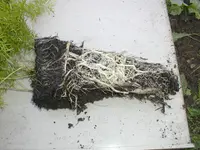
  • Check for roots circling the pot, emerging from drainage holes, or noticeably slower growth as signs to repot.
  • Plan to repot every 1–2 years in spring, using a well-draining peat- or coco-based potting mix.
  • Choose a container only 2–5 cm wider than the old one to limit excess wet soil around the roots.
  • Water lightly after repotting, keep in bright indirect light, and avoid heavy fertilizing for 2–3 weeks to reduce root stress.

New plants are most often produced from stem cuttings, which root quickly under warm, bright conditions.

  • Take 7–12 cm non-flowering stem cuttings in spring or summer, just below a node.
  • Remove lower leaves and place cut ends in water or moist, well-draining potting mix.
  • Provide bright, indirect light and keep temperatures around 68–80°F with evenly moist substrate.
  • Once roots reach 2–3 cm long, pot several cuttings together for a fuller new plant.

This tender plant has low frost tolerance and requires indoor conditions or a consistently warm environment in winter.

  • Move outdoor containers inside before temperatures drop below 50°F, well ahead of any frost.
  • Place in the brightest indoor spot available, away from cold drafts and heating vents.
  • Water less often in winter, allowing the top 2–3 cm of soil to dry before watering again.

Care Tips

Encourage Bushy Growth

Regularly pinch back soft stem tips above a leaf node to trigger branching and keep the plant compact instead of becoming long and sparse.

Refresh Leggy Vines

If stems become bare near the base, take 7–10 cm tip cuttings, remove the lowest leaves, and replant them around the original root ball to quickly thicken the pot.

Strategic Pot Placement

Place the pot on a shelf or in a hanging planter where vines can naturally cascade downward, which reduces mechanical damage to fragile stems from handling.

Clean Foliage Routine

Gently rinse foliage with lukewarm water every 4–6 weeks to remove dust and reduce spider mite pressure, allowing the variegation to photosynthesize efficiently.

Planned Rotation Schedule

Rotate the container by 90° every 1–2 weeks to keep growth even and prevent the plant from permanently leaning toward the light, which is especially useful when grow lights are used from one side.

Common Pests and Diseases

Spider mites

This pest thrives on thin, succulent foliage and stems, especially in warm, dry indoor air, causing stippling, dull leaves, and fine webbing between nodes. Symptoms include slowed growth and leaf drop along the trailing sections.

Solution

Rinse stems and leaf undersides thoroughly with lukewarm water or a mild soapy water solution, repeating every few days for 1–2 weeks, then improve humidity and reduce heat stress. For persistent infestations, use a targeted insecticidal soap or neem oil spray and isolate the plant until new growth appears clean.

Aphids

These insects cluster on tender shoot tips and undersides of young leaves, sucking sap and causing curling, distortion, and sticky honeydew on the trailing vines. Symptoms include weak new growth and possible sooty mold on sticky surfaces.

Solution

Prune heavily infested shoot tips, then wash remaining stems and leaves with a firm stream of water or a dilute soapy water solution. If needed, apply insecticidal soap or neem oil to all plant surfaces every 5–7 days until no new aphids appear, and avoid overfertilizing, which encourages soft, aphid-prone growth when trying to grow Tradescantia 'Albovittata' indoors.

Mealybugs

This pest appears as white, cottony clusters in stem joints and along undersides of leaves, where it feeds on sap and weakens the trailing stems. Symptoms include sticky residue, yellowing leaves, and slow decline of affected sections.

Solution

Dab visible insects with cotton swabs dipped in isopropyl alcohol, then rinse the plant to remove residue and hidden insects. Repeat spot treatments weekly, and in heavier infestations use an insecticidal soap or neem oil spray while quarantining the plant from others.

Botrytis blight

This disease develops in dense, trailing foliage kept cool and overly damp, producing soft, water-soaked patches on leaves and stems that may develop gray, fuzzy mold. Symptoms include sudden collapse of individual shoots and decay spreading along crowded areas.

Solution

Cut off and discard all affected stems and leaves, then improve airflow by thinning dense growth and avoiding water sitting on foliage. Allow the top of the potting mix to dry slightly between waterings, keep humidity moderate with good air circulation, and if conditions stay cool and damp consider using a fungicide labeled for Botrytis on houseplants.

Bacterial leaf spot

This disease causes small, water-soaked spots on leaves that turn dark, often with yellow halos, beginning on crowded or frequently splashed foliage. Symptoms include patchy discoloration and early leaf drop, especially on older trailing sections.

Solution

Remove and discard affected leaves and any severely damaged stems, and avoid overhead watering or misting that wets the foliage. Water at the soil level, increase spacing and airflow around the plant, and keep pruning tools clean and disinfected to reduce spread to healthy tissue.

Interesting Facts

Naturally variegated leaves

This cultivar shows a stable pattern of cream and green striping on the leaves, caused by differing chlorophyll levels in adjacent tissues. The variegation is genetically fixed but can fade if the plant is grown in very low light.

Compact trailing habit

Compared with many other Tradescantia cultivars, this plant tends to form a denser, finer-textured mat of growth with relatively narrow leaves. Its stems often arch and trail rather than climb, which makes it suitable for hanging baskets and elevated containers.

Frequent reversion tendency

The plant can produce all-green shoots that grow more vigorously than the variegated ones, a process known as reversion. These reverted shoots can gradually outcompete the variegated parts if not pruned out.

FAQs about Inch Plant

Brown leaf edges usually come from low humidity, salt buildup from fertilizer, or irregular watering. Flush the potting mix with clean water, trim damaged tips, and maintain steadier moisture and moderate humidity to prevent further tissue damage.

Grow Healthy Plants with Botan Care

Keep your plants happy and healthy with plant identification, disease detection, and easy care guidance.

Botan plant care app — identify plants on mobile

Explore More Plants