Spiny zilla Care (Zilla spinosa)

Spiny zilla

About Spiny zilla

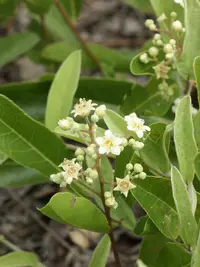
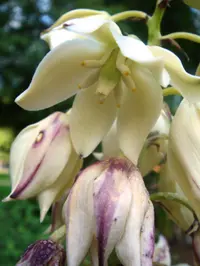
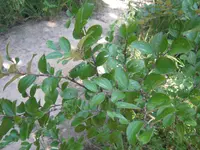
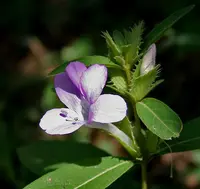
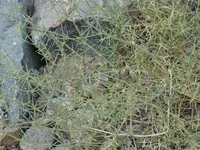
Spiny zilla (Zilla spinosa) is a small, woody shrub from arid desert regions of North Africa and the Middle East. It belongs to the cabbage family but has a very different look. Plants form low, highly branched cushions armored with stiff, sharp spines and small, sparse leaves, adapting it to intense sun and drought. In favorable seasons, it produces pale, delicate flowers that contrast with its rugged structure. This species thrives in dry, rocky, well-drained soils and resents waterlogged conditions, which makes it unsuitable for typical moist garden beds. Its strong drought tolerance makes it interesting for xeric or experimental collections, but the spines and need for very sharp drainage mean care for Spiny zilla suits more attentive growers.

Main Plant Requirements

Care Difficulty

Moderate Care

Light Preference

Full Sun

Water Requirements

Low Water

Temperature Preference

Warm Climate

Hardiness Zone

9–11

Soil Texture

Sandy, Loamy, Rocky

Soil pH

Slightly acidic (6.5–7.0), Slightly alkaline (7.0–7.5)

Soil Drainage

Well-drained

Fertilization

Minimal (feed rarely)

Get Personalized Care Plan

Scan your plant to receive care tips personalized for your specific plant

Available on iOS and Android

How to Care for the Spiny zilla

This desert shrub thrives in strong light and handles intense sun when established.

  • Provide 6–8 hours of direct sun daily; full sun suits most climates, with morning sun and light afternoon shade helpful in very hot regions.
  • Young Spiny zilla plants benefit from slight filtered light at midday to limit scorch, while mature plants tolerate exposed, reflective sites.
  • Too little sun causes weak, open growth; if stems stretch or flowering drops, move to a sunnier position, especially in winter when days are shorter.

This species prefers dry, fast-draining conditions and is very drought-tolerant once established.

  • Allow soil to dry completely between waterings; in the ground, water only when the top 5–10 cm are bone dry and the foliage looks slightly less firm.
  • During the first growing season, water deeply but infrequently, then reduce to occasional deep soaks in hot, prolonged drought.
  • Use sharply drained, sandy or gravelly soil to prevent root rot; signs of overwatering include yellowing, soft stems, and a sour smell around the root zone.

This plant is adapted to hot, arid climates and handles a wide temperature range when mature.

  • Optimal growth occurs around 70–90°F (21–32°C), typical of warm spring and summer conditions in dry regions.
  • Zilla spinosa tolerates brief drops near 25–28°F (-4 to -2°C) once established, but young plants should be protected from hard frost.
  • In extreme heat above 100°F (38°C), it usually copes if soil is very free-draining; avoid planting in frost pockets or areas with winter waterlogging.

This desert shrub handles low humidity well and rarely needs special humidity control.

This species needs very fast-draining, mineral-rich soil that mimics arid, rocky habitats.

  • Use a gritty mix such as 50% coarse sand, 30% small gravel or pumice, and 20% low-organic potting mix.
  • Aim for slightly alkaline soil, around pH 7.5–8.2, to support normal growth and nutrient uptake.
  • Avoid peat-heavy, compact, or water-retentive substrates that stay wet for more than 1 day after watering.
  • For Zilla spinosa, maintain an open structure with visible mineral particles to keep roots well aerated and prevent rot.

This plant can be grown in containers if the pot and substrate are adapted to its arid, deep-rooting habit.

  • Choose a tall, heavy container that resists tipping and allows a deeper root run than a standard shallow pot.
  • Select unglazed clay if possible so moisture evaporates quickly through the pot walls between sparse waterings.
  • Raise the container on feet or bricks so drainage holes stay clear and water never pools under the base, limiting root rot risk.

This drought-adapted shrub needs only light feeding in most garden soils.

  • Use a balanced, slow-release fertilizer (around 10-10-10) or a thin layer of compost in early spring to support new growth.
  • Apply at low strength, using about half the label rate for shrubs in similar size and conditions.
  • Feed once per growing season in lean, sandy soils; skip feeding on fertile, well-amended sites.
  • Stop fertilizing Spiny zilla in late summer so growth hardens before cold or drought stress.

Zilla spinosa benefits from occasional light pruning to maintain shape and plant health.

  • Time any structural pruning for late winter or very early spring before active growth resumes.
  • Remove dead, damaged, crossing, or inward-growing stems to keep the center open and reduce disease risk.
  • Use clean, sharp bypass pruners and make cuts just above a healthy outward-facing bud or branch junction.
  • Limit pruning to thin, selective cuts so the natural, spiny form and flowering display are not reduced.

This species is usually grown in the ground, so focus on careful transplanting rather than frequent repotting.

  • Transplant in late winter or early spring when growth is slow and temperatures are mild.
  • Look for signs such as slow growth, roots circling a nursery container, or the plant drying out very quickly.
  • Move into a slightly larger hole or pot with sharply drained, gritty soil to match its native dry conditions.
  • Water thoroughly after planting, then keep soil just barely moist for 1–2 weeks to limit root stress and encourage re-establishment.

Zilla spinosa is most often propagated from seed under warm, bright conditions.

  • Collect ripe seeds and sow in late winter or early spring in a free-draining, sandy mix.
  • Provide warmth of about 70–75°F and consistent, light moisture to encourage germination without waterlogging.
  • Place trays in bright light out of direct, intense midday sun to prevent overheating young seedlings.
  • Transplant seedlings carefully once they have several true leaves, disturbing roots as little as possible.

This shrub is fairly cold hardy and usually needs minimal winter care in mild, dry climates.

  • In colder regions, apply a light mulch layer around the root zone to moderate soil temperature.
  • Avoid heavy, wet mulches that keep the crown saturated during cool weather.
  • Container-grown plants in marginal zones can be moved to an unheated, bright, frost-free area for winter.

Care Tips

Gradual sun hardening

When moving plants from a nursery or shade house into full sun, increase light exposure over 7–10 days to prevent scorch on young spines and new shoots, starting with morning sun only and adding stronger midday light last.


Deep root encouragement

Space infrequent but thorough soakings so the soil dries fully between them, which promotes a deeper, more resilient root system that handles drought and heat spikes better in arid landscapes.

Gritty topdressing

Apply a 1–2 cm layer of coarse gravel around the base to keep the crown dry, reduce soil splash on stems, and discourage rot and fungal spotting in heavy downpours or overhead irrigation.

Seasonal growth check

At the start and end of the main growing season, inspect stems for weak, etiolated (stretched and pale) growth and lightly tip back only the thinnest segments to keep the plant compact and structurally strong.

Targeted pest scouting

During warm, dry spells, use a hand lens to check leaf axils and stem joints for early signs of scale or spider mites, so treatment can begin before visible webbing or sticky honeydew appears when growing Spiny zilla.

Common Pests and Diseases

Aphids

This pest feeds on young shoots and flower stalks, sucking sap and causing distortion, yellowing, and sticky honeydew on stems and buds.

Solution

Rinse colonies off with a firm stream of water, then spot-treat remaining clusters with insecticidal soap or a ready-to-use neem oil spray, repeating weekly until numbers drop; reduce excess nitrogen fertilization, which encourages soft, aphid-prone growth.

Leaf-mining flies

These insects create winding, pale tunnels inside the leaves, which can reduce photosynthesis and cause premature leaf drop on stressed plants.

Solution

Remove and discard mined leaves promptly to break the life cycle, then place yellow sticky traps near the plants and, if damage continues, apply a systemic insecticide labeled for leaf miners according to label directions in dry, calm weather.

Powdery mildew

This disease appears as white to gray powdery patches on leaves and stems, often during warm days with cool, humid nights, leading to reduced vigor and leaf yellowing.

Solution

Improve airflow around plants, avoid wetting foliage, remove heavily infected leaves, and apply a sulfur or potassium bicarbonate fungicide at the first sign of symptoms, repeating as directed while conditions favor infection.

Rust

This disease causes small yellow spots on the upper leaf surface and orange to brown pustules on the undersides, which eventually lead to leaf drop on heavily affected plants.

Solution

Prune and dispose of infected leaves, water at the base to keep foliage dry, and use a labeled rust fungicide on remaining healthy foliage, rotating products if repeated applications are needed to protect new growth.

Interesting Facts

Desert fog collector

In its native arid habitats of North Africa and the Middle East, this shrub can capture moisture from fog and dew on its finely divided leaves, helping it persist where rainfall is very low.

Spiny dome architecture

The plant often forms a dense, rounded, almost hemispherical dome with rigid spines, a structure that shades its own root zone and reduces water loss from the soil surface.

Crucifer with a twist

Although it belongs to the Brassicaceae (cabbage family), it has highly reduced, small leaves and prominent spines, an unusual morphology compared with typical leafy cabbages and mustards adapted to more mesic conditions.

Botan icon

Did you know?

During seasonal floods in wadis (ephemeral desert riverbeds), individuals can exploit brief pulses of water to produce relatively large flushes of flowers and seeds in a short time, an adaptation to highly unpredictable desert rainfall.

FAQs about Spiny zilla

This species forms a clumping to low-shrub habit and spreads slowly by branching, not by runners or invasive roots. In garden settings it usually stays where planted and is unlikely to overrun nearby plants under normal conditions.

Grow Healthy Plants with Botan Care

Keep your plants happy and healthy with plant identification, disease detection, and easy care guidance.

Botan plant care app — identify plants on mobile

Explore More Plants